 Household, Living & Cooking
 Outdoor, Travel & Sports
 DIY, Garden & Animals
 Fashion accessories & Shoes
 Car & Motor
 Computer & Electronics
 Office & School
 Beautiful & Healthy
 Toys
Toys Eat Drink
 Baby
Baby Christmas
 King's Day


 8
8BBQ Briquettes for Direct, Indirect and Low-and-Slow Cooking
Barbecue Briquettes
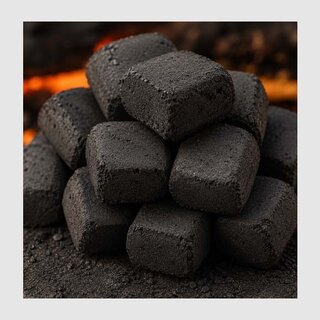
Briquettes are compressed fuel blocks for charcoal barbecues, kettle grills, kamados and other suitable barbecue appliances. They can be used for direct grilling, indirect cooking and longer low-and-slow sessions. Their uniform shape makes BBQ briquettes easy to arrange across the charcoal grate. At Discountershop, you can compare barbecue briquettes by composition, pack size, intended use and expected burn time.
View all BBQ briquettes
BBQ briquettes for different cooking methods
The required quantity and arrangement depend on the barbecue, outdoor temperature, airflow, cooking time and food. Always follow the instructions supplied with both the barbecue and the briquettes.
Briquettes can be used for:
direct grilling of smaller or thinner foods;
indirect cooking of larger cuts, fish or vegetables;
low-and-slow cooking at a lower temperature;
creating two temperature zones;
longer barbecue sessions requiring controlled heat;
cooking with suitable Dutch ovens or barbecue pans.
For direct grilling, the glowing briquettes are positioned beneath the food. For indirect cooking, they are placed to one or both sides while the food sits above an area without briquettes. Check the recommended setup for your barbecue before starting.
Comparing charcoal and coconut briquettes
Many barbecue briquettes consist of compressed carbonized material combined with a binding agent. Coconut briquettes made from carbonized coconut residue are also available. Composition, shape, ash production, lighting time and burn duration vary by product.
When buying briquettes, consider:
type and composition;
pack weight or quantity;
recommended barbecues and applications;
expected lighting and burn time;
suitability for direct, indirect or low-and-slow cooking;
manufacturer’s storage instructions;
specific restrictions or operating requirements.
A long burn time is not necessary for every meal. Charcoal can be an alternative when you need fuel that responds quickly and produces intense heat for a shorter cooking session. Briquettes may be more manageable for longer preparations, depending on the barbecue and its airflow controls.
How to light briquettes safely
A barbecue burning briquettes produces fire, heat, smoke and carbon monoxide. Only use it outdoors. Never place a burning or smouldering barbecue inside a home, garage, shed, tent or other enclosed space. Carbon monoxide cannot be seen or smelled and can be fatal.
Follow these steps when lighting briquettes:
Position the barbecue outdoors on a level, stable and heat-resistant surface.
Keep it away from fences, hedges, garden furniture, parasols and combustible materials.
Clean the barbecue and empty grease trays before lighting it.
Check that the air vents and charcoal grate are clear.
Use a suitable lighting method, such as firelighters or a chimney starter.
Never use petrol, methylated spirits or another highly flammable liquid.
Never pour flammable liquid onto burning or smouldering briquettes.
Wear heat-resistant barbecue gloves when handling hot components.
Keep children, animals and loose clothing away from the barbecue.
Do not move the barbecue after the briquettes have begun burning.
When using a chimney starter, position it on the charcoal grate according to its instructions. Never place a hot starter on concrete, wood, plastic or grass. Pour out the glowing coals carefully and keep your face and body away from the rising heat.
When are briquettes ready for cooking?
Briquettes are normally ready to arrange when they are glowing steadily and their surfaces have developed a layer of grey ash. The required time varies according to the product, quantity, lighting method and weather. Do not rely only on a fixed number of minutes.
Arrange the briquettes using suitable barbecue tools. Replace the cooking grate, close the lid if required and regulate the temperature with the air vents. Follow the barbecue instructions rather than closing the airflow completely without considering the cooking method.
Adding briquettes during cooking
For a long cooking session, use a refuelling method suitable for your barbecue. Never add lighting fluid. Some arrangements require additional briquettes to be lit separately in a chimney starter. Other low-and-slow methods combine lit and unlit briquettes in a specific pattern.
Open the lid carefully because fresh oxygen may cause a sudden increase in heat or flames. Wear protective gloves and use tools long enough to keep your hands away from the fuel.
Extinguishing, disposing of ash and storage
Leave the barbecue outdoors after use. Close its vents only as instructed and never assume dark briquettes are cold. Coals and ash can remain hot for a long time and may begin glowing again.
Place cold-looking ash and coal remnants in a metal or galvanized bucket and keep it outside, away from combustible materials. Dutch fire-safety guidance recommends leaving the bucket outside for approximately five days before placing the ash in general waste. Do not put barbecue ash in organic waste or on a compost heap.
Store unused briquettes in a dry, closed container away from fire, moisture, children and animals. Damp briquettes may be difficult to ignite and can behave differently while burning.
What do you need alongside briquettes?
Use Firelighters to create the initial heat beneath the briquettes. A Chimney Starter can light multiple briquettes together before they are distributed across the charcoal grate. View Lighters for igniting suitable fire-starting products from a safer distance. These bold category names can be used as internal links.
Compare the available briquettes at Discountershop and choose a product suited to your barbecue, cooking method and planned grilling session.
Choose briquettes for your barbecue
Watch our briquette videos on YouTube
Visit our YouTube channel for product videos about BBQ briquettes, charcoal briquettes and barbecue accessories. See the packaging, shape and intended application of each product. The videos help you compare briquettes and identify the additional products used for lighting and arranging them.
Frequently asked questions about briquettes
1. How many briquettes do you need for a barbecue?
The quantity depends on the barbecue, target temperature, weather and cooking time. Follow the quantity table or instructions supplied by the manufacturer. Do not automatically use an entire bag.
2. How do you know when briquettes are ready for grilling?
They should glow steadily and usually develop a grey coating of ash. The exact lighting time varies by product and method. Do not start cooking while the firelighter is still producing strong flames.
3. What is the difference between direct and indirect cooking?
For direct grilling, the briquettes sit beneath the food. For indirect cooking, the fuel is placed beside the food, which cooks through circulating heat beneath a closed lid.
4. What is the difference between charcoal and briquettes?
Charcoal generally responds more quickly to changes in airflow and can rapidly produce intense heat. Briquettes are shaped fuel blocks often selected for an evenly arranged fire and longer cooking sessions.
5. Can leftover briquettes be reused?
Completely extinguished, dry and intact briquettes may be reusable if the manufacturer permits it. Store them separately and check for moisture or damage before using them again.
6. Can damp briquettes be used?
Damp briquettes may be difficult to light, produce additional smoke or burn unpredictably. Never dry them near an open flame. Follow the storage and usage instructions on the packaging.
7. Are coconut briquettes suitable for every barbecue?
Not automatically. Check whether both the briquette and barbecue manufacturers permit the combination. Consider the briquette size, required airflow and recommended quantity.
8. Why do briquettes produce ash?
Ash consists of non-combustible mineral components and fuel residue. The amount varies by composition. Only remove ash after it has cooled completely.
9. Can you add unlit briquettes during cooking?
This depends on the cooking method and product. Some long cooking methods combine unlit and burning briquettes. Follow a suitable arrangement and never use lighting fluid on a hot barbecue.
10. How do you control the temperature of briquettes?
Fuel quantity, arrangement and airflow all affect temperature. Adjust the vents gradually and monitor the cooking temperature with a suitable barbecue thermometer.
The one-time picnic disposable barbecue is the solution for a 'last minute' barbecue or just for taking on holiday.
The one-time picnic dispo...
Metal charcoal chimney starter measuring 17 x 27.5 cm with a 27 cm long BBQ lighter. Suitable for lighting and preparing...
Metal charcoal chimney st...
Disposable Charcoal Barbecue measuring 48 x 30.2 x 9 cm with 1.45 kg charcoal, metal grill rack, lighting paper and stan...
Disposable Charcoal Barbe...
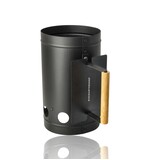
Black metal charcoal chimney starter measuring 27.5 x 16 cm, with a wooden handle and ventilation openings. Suitable for...
Black metal charcoal chim...
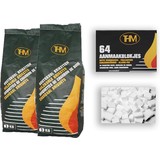
2X charcoal briquettes of 3 KG including firelighters 64 Pieces - Barbecue - BBQ - 2 Pieces
2X charcoal briquettes of...
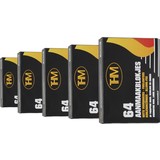
Barbecue firelighters - BBQ firelighters - BBQ - Firelighters THM white paraffin 64 pieces in a pack
Barbecue firelighters - B...
- Ordered on working days before 12:00, delivered the next day!
- Buy now, pay later
- Fast delivery in the Netherlands & Belgium
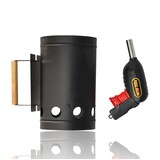
Two-piece charcoal starter set with a black metal chimney starter measuring approximately 17 x 27.5 cm and a manual BBQ ...
Two-piece charcoal starte...
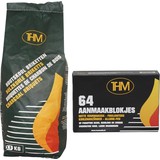
Charcoal Briquettes with FREE Firelighters!
Charcoal Briquettes with ...
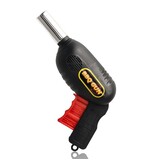
Manual charcoal air blower measuring 15 x 10 cm with a metal nozzle and trigger operation. Provides targeted airflow for...
Manual charcoal air blowe...
Overige categorieën in Household, Living & Cooking
BBQ Briquettes for Direct, Indirect and Low-and-Slow Cooking
Barbecue Briquettes
Briquettes are compressed fuel blocks for charcoal barbecues, kettle grills, kamados and other suitable barbecue appliances. They can be used for direct grilling, indirect cooking and longer low-and-slow sessions. Their uniform shape makes BBQ briquettes easy to arrange across the charcoal grate. At Discountershop, you can compare barbecue briquettes by composition, pack size, intended use and expected burn time.
View all BBQ briquettes
BBQ briquettes for different cooking methods
The required quantity and arrangement depend on the barbecue, outdoor temperature, airflow, cooking time and food. Always follow the instructions supplied with both the barbecue and the briquettes.
Briquettes can be used for:
direct grilling of smaller or thinner foods;
indirect cooking of larger cuts, fish or vegetables;
low-and-slow cooking at a lower temperature;
creating two temperature zones;
longer barbecue sessions requiring controlled heat;
cooking with suitable Dutch ovens or barbecue pans.
For direct grilling, the glowing briquettes are positioned beneath the food. For indirect cooking, they are placed to one or both sides while the food sits above an area without briquettes. Check the recommended setup for your barbecue before starting.
Comparing charcoal and coconut briquettes
Many barbecue briquettes consist of compressed carbonized material combined with a binding agent. Coconut briquettes made from carbonized coconut residue are also available. Composition, shape, ash production, lighting time and burn duration vary by product.
When buying briquettes, consider:
type and composition;
pack weight or quantity;
recommended barbecues and applications;
expected lighting and burn time;
suitability for direct, indirect or low-and-slow cooking;
manufacturer’s storage instructions;
specific restrictions or operating requirements.
A long burn time is not necessary for every meal. Charcoal can be an alternative when you need fuel that responds quickly and produces intense heat for a shorter cooking session. Briquettes may be more manageable for longer preparations, depending on the barbecue and its airflow controls.
How to light briquettes safely
A barbecue burning briquettes produces fire, heat, smoke and carbon monoxide. Only use it outdoors. Never place a burning or smouldering barbecue inside a home, garage, shed, tent or other enclosed space. Carbon monoxide cannot be seen or smelled and can be fatal.
Follow these steps when lighting briquettes:
Position the barbecue outdoors on a level, stable and heat-resistant surface.
Keep it away from fences, hedges, garden furniture, parasols and combustible materials.
Clean the barbecue and empty grease trays before lighting it.
Check that the air vents and charcoal grate are clear.
Use a suitable lighting method, such as firelighters or a chimney starter.
Never use petrol, methylated spirits or another highly flammable liquid.
Never pour flammable liquid onto burning or smouldering briquettes.
Wear heat-resistant barbecue gloves when handling hot components.
Keep children, animals and loose clothing away from the barbecue.
Do not move the barbecue after the briquettes have begun burning.
When using a chimney starter, position it on the charcoal grate according to its instructions. Never place a hot starter on concrete, wood, plastic or grass. Pour out the glowing coals carefully and keep your face and body away from the rising heat.
When are briquettes ready for cooking?
Briquettes are normally ready to arrange when they are glowing steadily and their surfaces have developed a layer of grey ash. The required time varies according to the product, quantity, lighting method and weather. Do not rely only on a fixed number of minutes.
Arrange the briquettes using suitable barbecue tools. Replace the cooking grate, close the lid if required and regulate the temperature with the air vents. Follow the barbecue instructions rather than closing the airflow completely without considering the cooking method.
Adding briquettes during cooking
For a long cooking session, use a refuelling method suitable for your barbecue. Never add lighting fluid. Some arrangements require additional briquettes to be lit separately in a chimney starter. Other low-and-slow methods combine lit and unlit briquettes in a specific pattern.
Open the lid carefully because fresh oxygen may cause a sudden increase in heat or flames. Wear protective gloves and use tools long enough to keep your hands away from the fuel.
Extinguishing, disposing of ash and storage
Leave the barbecue outdoors after use. Close its vents only as instructed and never assume dark briquettes are cold. Coals and ash can remain hot for a long time and may begin glowing again.
Place cold-looking ash and coal remnants in a metal or galvanized bucket and keep it outside, away from combustible materials. Dutch fire-safety guidance recommends leaving the bucket outside for approximately five days before placing the ash in general waste. Do not put barbecue ash in organic waste or on a compost heap.
Store unused briquettes in a dry, closed container away from fire, moisture, children and animals. Damp briquettes may be difficult to ignite and can behave differently while burning.
What do you need alongside briquettes?
Use Firelighters to create the initial heat beneath the briquettes. A Chimney Starter can light multiple briquettes together before they are distributed across the charcoal grate. View Lighters for igniting suitable fire-starting products from a safer distance. These bold category names can be used as internal links.
Compare the available briquettes at Discountershop and choose a product suited to your barbecue, cooking method and planned grilling session.
Choose briquettes for your barbecue
Watch our briquette videos on YouTube
Visit our YouTube channel for product videos about BBQ briquettes, charcoal briquettes and barbecue accessories. See the packaging, shape and intended application of each product. The videos help you compare briquettes and identify the additional products used for lighting and arranging them.
Frequently asked questions about briquettes
1. How many briquettes do you need for a barbecue?
The quantity depends on the barbecue, target temperature, weather and cooking time. Follow the quantity table or instructions supplied by the manufacturer. Do not automatically use an entire bag.
2. How do you know when briquettes are ready for grilling?
They should glow steadily and usually develop a grey coating of ash. The exact lighting time varies by product and method. Do not start cooking while the firelighter is still producing strong flames.
3. What is the difference between direct and indirect cooking?
For direct grilling, the briquettes sit beneath the food. For indirect cooking, the fuel is placed beside the food, which cooks through circulating heat beneath a closed lid.
4. What is the difference between charcoal and briquettes?
Charcoal generally responds more quickly to changes in airflow and can rapidly produce intense heat. Briquettes are shaped fuel blocks often selected for an evenly arranged fire and longer cooking sessions.
5. Can leftover briquettes be reused?
Completely extinguished, dry and intact briquettes may be reusable if the manufacturer permits it. Store them separately and check for moisture or damage before using them again.
6. Can damp briquettes be used?
Damp briquettes may be difficult to light, produce additional smoke or burn unpredictably. Never dry them near an open flame. Follow the storage and usage instructions on the packaging.
7. Are coconut briquettes suitable for every barbecue?
Not automatically. Check whether both the briquette and barbecue manufacturers permit the combination. Consider the briquette size, required airflow and recommended quantity.
8. Why do briquettes produce ash?
Ash consists of non-combustible mineral components and fuel residue. The amount varies by composition. Only remove ash after it has cooled completely.
9. Can you add unlit briquettes during cooking?
This depends on the cooking method and product. Some long cooking methods combine unlit and burning briquettes. Follow a suitable arrangement and never use lighting fluid on a hot barbecue.
10. How do you control the temperature of briquettes?
Fuel quantity, arrangement and airflow all affect temperature. Adjust the vents gradually and monitor the cooking temperature with a suitable barbecue thermometer.