
 Household, Living & Cooking
 Outdoor, Travel & Sports
 DIY, Garden & Animals
 Fashion accessories & Shoes
 Car & Motor
 Computer & Electronics
 Office & School
 Beautiful & Healthy
 Toys
Toys Eat Drink
 Baby
Baby Christmas
 King's Day


 8
8Plates for breakfast, dinner, cake and dessert
Buy plates for breakfast, dinner, cake and dessert
A suitable plate gives each dish enough space and helps keep the table organised. At Discountershop, you can find ceramic dinner plates, breakfast and cake plates, dessert plates, porcelain dinnerware sets and paper party plates. Before ordering, compare the diameter, usable eating area, rim height, material and number of pieces. Also check whether the product information confirms that the plate is dishwasher- or microwave-safe. This will help you select plates that suit your daily meals, guests and available cupboard space.
Which plate suits which dish?
The size and shape of a plate affect the amount of room available for food. A dinner plate provides space for several parts of a main meal, while a smaller plate keeps cake, fruit or dessert in proportion. Do not look only at the total diameter: a broad rim can substantially reduce the usable eating surface.
You can compare several types of plates within this category:
Dinner plates: intended for main meals containing vegetables, potatoes, rice, pasta, meat or fish.
Dessert plates: smaller plates for ice cream, fruit, cheese and other desserts.
Cake plates: suitable for cake, pastries, biscuits, bread rolls or something small with coffee or tea.
Breakfast plates: useful for bread, fruit, a light lunch and smaller portions.
Party plates: paper plates for birthdays, children’s parties and other occasions where quick clearing is helpful.
Charger plates: intended as a base or decorative part of the table arrangement; not every charger plate is approved for direct food contact.
Consider which courses you serve most frequently. A household that mainly needs plates for full meals will require more dinner plates. If you regularly invite guests for coffee or dessert, additional cake or dessert plates may be useful.
Dinner plates for main meals
A dinner plate is usually the largest plate in a standard dinnerware set. Many models have a diameter of approximately 26 to 28 centimetres, although individual product specifications may differ. In addition to the size, consider the rim. A slightly raised rim helps contain sauce and loose ingredients, while a flatter design may provide more room for arranging the food.
When comparing dinner plates, check:
the total diameter and usable eating surface;
whether the plate has a flat or raised rim;
the weight of one plate and a complete stack;
the height when several plates are stacked;
the number of plates included in the set;
how the colour coordinates with existing dinnerware;
the dishwasher and microwave instructions.
Use suitable cutlery for the meal. Place forks to the left of the plate and knives to the right, with the cutting edge facing the plate. For several courses, cutlery is generally arranged in order of use, working from the outside towards the plate.
Dessert plates and cake plates
Dessert and cake plates are smaller than dinner plates. They therefore require less table space and keep smaller portions in proportion. A plate measuring approximately 18 to 22 centimetres may suit cake, fruit, cheese, bread, a starter or a light lunch, depending on its design.
The terms dessert plate, cake plate and breakfast plate often overlap. The main difference is not always the product name, but the diameter, rim and intended use. Check the product specifications instead of relying only on the title.
When cutting and preparing fruit, cake or other ingredients, suitable kitchen utensils can make portioning easier. Transfer food to the plate with clean utensils and use separate tools for raw and prepared ingredients.
Comparing ceramic, porcelain and paper plates
The material affects the weight, maintenance and use of a plate. Not every characteristic automatically applies to all products within the same material group.
Ceramic plates
Ceramic is a general term for products made from fired clay. Ceramic plates may be thicker and heavier than porcelain. They are available in different colours, glazes and rim shapes. Check the individual product information to confirm whether dishwasher and microwave use is permitted.
Porcelain plates
Porcelain is a specific type of ceramic that is generally fired at a high temperature. Porcelain plates can be relatively thin while still feeling firm. Dishwasher, microwave and temperature suitability must still be checked for each product.
Paper party plates
Paper plates are designed for short-term use at occasions such as birthdays or children’s parties. Check the dimensions, number of pieces and instructions concerning hot, cold or greasy food. Dispose of used party plates according to local waste rules. Food residue or a plastic coating may affect the correct waste stream.
Setting the table around your plates
The plate usually forms the centre of each place setting. Position it in front of the seat and leave sufficient distance from the table edge. Arrange the other items so that guests can reach their cutlery and drinks without crossing over one another.
Use table accessories such as placemats, coasters, napkins or tablecloths to protect the surface and define each place setting. With charger plates and decorative trays, confirm whether the product is intended for direct food contact.
Place suitable glasses above and to the right of the plate. Start with the glass required for the first drink and maintain sufficient space between glassware and hot serving dishes. For wine, cocktails and other drinks, you can supplement the table with drinks and bar accessories.
Combining plate colours and shapes
White and cream plates create limited colour contrast with other dinnerware and allow colourful ingredients to remain clearly visible. Black or darker plates can provide stronger contrast with lighter foods. In addition to colour, check the shape and rim to ensure that the plate set remains practical for the meals you frequently prepare.
Not every piece needs to have the same colour. Dark dinner plates can, for example, be combined with lighter dessert plates. Repeating one colour, material or shape can help the different items work together.
Consider:
the proportion between dinner and dessert plates;
the space available between place settings;
colours repeated in glasses, napkins or placemats;
the height of the stacked plates in your cupboard;
the weight when carrying several plates at once.
Cleaning and storing plates
Always follow the product’s care instructions. A dishwasher-safe label means that machine cleaning is permitted under the stated conditions, but incorrect loading can still cause damage. Position the plates so that they do not strike one another during the washing cycle.
Grey marks on a plate can sometimes be metal deposits from cutlery rather than deep scratches. Use only a cleaning method suitable for the glaze. Avoid steel wool and aggressive abrasive products unless the manufacturer specifically allows them.
For safe storage:
let plates dry completely before stacking them;
place large, heavy plates at the bottom;
do not put a heavy stack on thin or damaged plates;
use protection between surfaces that scratch easily;
inspect the rims regularly for cracks and chips;
stop using a damaged plate if safe food contact is no longer possible.
Watch table-setting and serving tips on our YouTube channel
Would you like to view product information, usage tips or practical examples? Visit the Discountershop YouTube channel. Watch the videos and then choose the plates, table products and kitchen items that suit your meals, household or occasion.
Frequently asked questions about plates
What is the standard size of a dinner plate?
A dinner plate often has a diameter of approximately 26 to 28 centimetres. The exact size varies by model. Also check the width of the rim because it determines how much space is actually available for the food.
What is the difference between a dessert plate and a cake plate?
The terms are often used for similar small plates. A dessert plate may hold fruit, ice cream or cheese, while a cake plate is commonly used for cake and pastries. The diameter and rim are more important than the product name.
How many plates do I need per person?
You need at least one plate per person for everyday use, but spare plates are useful for guests, several courses or times when some plates are in the dishwasher. Base the total on your household size and how frequently you entertain.
What is the difference between ceramic and porcelain?
Ceramic is the broad category for products made from fired clay. Porcelain is a specific ceramic material with a different composition and firing process. Weight, thickness and care requirements can vary between individual products.
Can ceramic plates go in the microwave?
Only when the product information confirms that microwave use is permitted. Metallic decoration, certain glazes or existing damage can make a plate unsuitable for the microwave. Always follow the instructions for the individual product.
Can plates go in the dishwasher?
That depends on the material, glaze and decoration. Use the dishwasher only when the plate is marked as dishwasher-safe. Position the plates so that they do not strike one another during the cycle.
Why do grey marks appear on plates?
Grey lines may be metal residue left by knives or forks. They are not always actual scratches. Use a cleaner suitable for the plate and avoid hard scouring pads that could damage the glaze.
What is the benefit of a plate with a raised rim?
A raised rim helps keep sauce, crumbs and loose ingredients on the plate. This can be useful for pasta, rice or meals with several small components. Check how much usable eating space remains inside the rim.
How can I stack plates without damaging them?
Place clean, dry and larger plates at the bottom. Avoid excessively high stacks and use a soft protector between sensitive surfaces. Do not continue using or stacking plates with cracked or damaged rims.
Can a decorative charger plate be used as a dinner plate?
Not automatically. Charger plates and candle trays may be intended only for presentation or decoration. Use one for direct food contact only when the product information explicitly confirms that it is food-safe.
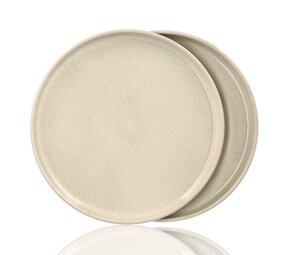
Ceramic dinner plates cream 26.3 c...
Ceramic dinner plates c...
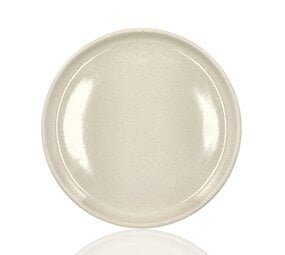
Ceramic breakfast plates Ø20 cm i...
Ceramic breakfast plate...
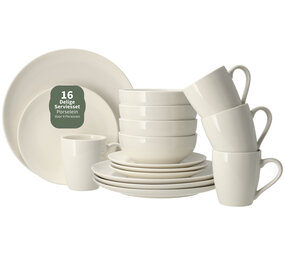
16-piece white porcelain dinnerwar...
16-piece white porcelai...
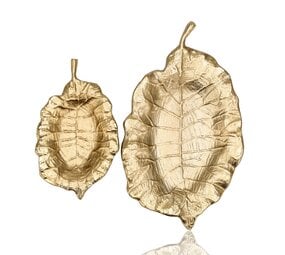
Decorative gold tray for candles, ...
Decorative gold tray fo...
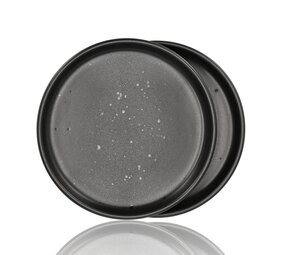
Ceramic breakfast plates black Ø2...
Ceramic breakfast plate...
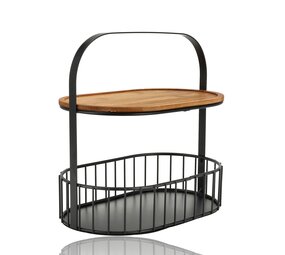
2-tier fruit stand with wooden top...
2-tier fruit stand with...
- Ordered on working days before 12:00, delivered the next day!
- Buy now, pay later
- Fast delivery in the Netherlands & Belgium
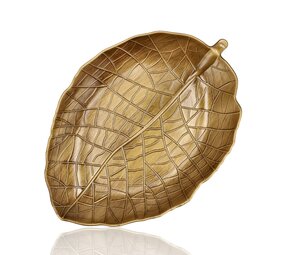
This decorative tray works as a ca...
This decorative tray wo...
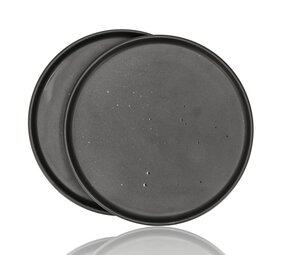
Ceramic dinner plates set black 26...
Ceramic dinner plates s...
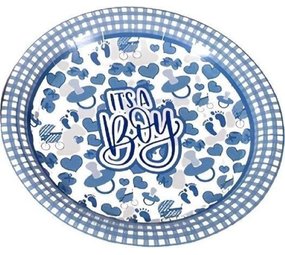
Set of 8-piece turbolino platters ...
Set of 8-piece turbolin...
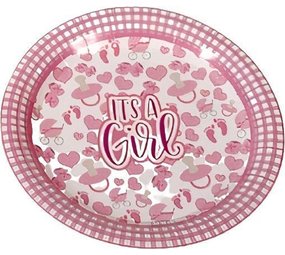
Set of 8-piece turbolino platters ...
Set of 8-piece turbolin...
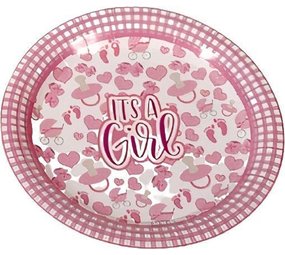
Set of 8-piece turbolino platters ...
Set of 8-piece turbolin...
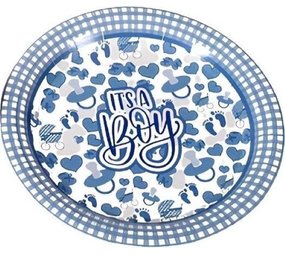
Set of 3-piece turbolino platters ...
Set of 3-piece turbolin...
Overige categorieën in Household, Living & Cooking
Plates for breakfast, dinner, cake and dessert
Buy plates for breakfast, dinner, cake and dessert
A suitable plate gives each dish enough space and helps keep the table organised. At Discountershop, you can find ceramic dinner plates, breakfast and cake plates, dessert plates, porcelain dinnerware sets and paper party plates. Before ordering, compare the diameter, usable eating area, rim height, material and number of pieces. Also check whether the product information confirms that the plate is dishwasher- or microwave-safe. This will help you select plates that suit your daily meals, guests and available cupboard space.
Which plate suits which dish?
The size and shape of a plate affect the amount of room available for food. A dinner plate provides space for several parts of a main meal, while a smaller plate keeps cake, fruit or dessert in proportion. Do not look only at the total diameter: a broad rim can substantially reduce the usable eating surface.
You can compare several types of plates within this category:
Dinner plates: intended for main meals containing vegetables, potatoes, rice, pasta, meat or fish.
Dessert plates: smaller plates for ice cream, fruit, cheese and other desserts.
Cake plates: suitable for cake, pastries, biscuits, bread rolls or something small with coffee or tea.
Breakfast plates: useful for bread, fruit, a light lunch and smaller portions.
Party plates: paper plates for birthdays, children’s parties and other occasions where quick clearing is helpful.
Charger plates: intended as a base or decorative part of the table arrangement; not every charger plate is approved for direct food contact.
Consider which courses you serve most frequently. A household that mainly needs plates for full meals will require more dinner plates. If you regularly invite guests for coffee or dessert, additional cake or dessert plates may be useful.
Dinner plates for main meals
A dinner plate is usually the largest plate in a standard dinnerware set. Many models have a diameter of approximately 26 to 28 centimetres, although individual product specifications may differ. In addition to the size, consider the rim. A slightly raised rim helps contain sauce and loose ingredients, while a flatter design may provide more room for arranging the food.
When comparing dinner plates, check:
the total diameter and usable eating surface;
whether the plate has a flat or raised rim;
the weight of one plate and a complete stack;
the height when several plates are stacked;
the number of plates included in the set;
how the colour coordinates with existing dinnerware;
the dishwasher and microwave instructions.
Use suitable cutlery for the meal. Place forks to the left of the plate and knives to the right, with the cutting edge facing the plate. For several courses, cutlery is generally arranged in order of use, working from the outside towards the plate.
Dessert plates and cake plates
Dessert and cake plates are smaller than dinner plates. They therefore require less table space and keep smaller portions in proportion. A plate measuring approximately 18 to 22 centimetres may suit cake, fruit, cheese, bread, a starter or a light lunch, depending on its design.
The terms dessert plate, cake plate and breakfast plate often overlap. The main difference is not always the product name, but the diameter, rim and intended use. Check the product specifications instead of relying only on the title.
When cutting and preparing fruit, cake or other ingredients, suitable kitchen utensils can make portioning easier. Transfer food to the plate with clean utensils and use separate tools for raw and prepared ingredients.
Comparing ceramic, porcelain and paper plates
The material affects the weight, maintenance and use of a plate. Not every characteristic automatically applies to all products within the same material group.
Ceramic plates
Ceramic is a general term for products made from fired clay. Ceramic plates may be thicker and heavier than porcelain. They are available in different colours, glazes and rim shapes. Check the individual product information to confirm whether dishwasher and microwave use is permitted.
Porcelain plates
Porcelain is a specific type of ceramic that is generally fired at a high temperature. Porcelain plates can be relatively thin while still feeling firm. Dishwasher, microwave and temperature suitability must still be checked for each product.
Paper party plates
Paper plates are designed for short-term use at occasions such as birthdays or children’s parties. Check the dimensions, number of pieces and instructions concerning hot, cold or greasy food. Dispose of used party plates according to local waste rules. Food residue or a plastic coating may affect the correct waste stream.
Setting the table around your plates
The plate usually forms the centre of each place setting. Position it in front of the seat and leave sufficient distance from the table edge. Arrange the other items so that guests can reach their cutlery and drinks without crossing over one another.
Use table accessories such as placemats, coasters, napkins or tablecloths to protect the surface and define each place setting. With charger plates and decorative trays, confirm whether the product is intended for direct food contact.
Place suitable glasses above and to the right of the plate. Start with the glass required for the first drink and maintain sufficient space between glassware and hot serving dishes. For wine, cocktails and other drinks, you can supplement the table with drinks and bar accessories.
Combining plate colours and shapes
White and cream plates create limited colour contrast with other dinnerware and allow colourful ingredients to remain clearly visible. Black or darker plates can provide stronger contrast with lighter foods. In addition to colour, check the shape and rim to ensure that the plate set remains practical for the meals you frequently prepare.
Not every piece needs to have the same colour. Dark dinner plates can, for example, be combined with lighter dessert plates. Repeating one colour, material or shape can help the different items work together.
Consider:
the proportion between dinner and dessert plates;
the space available between place settings;
colours repeated in glasses, napkins or placemats;
the height of the stacked plates in your cupboard;
the weight when carrying several plates at once.
Cleaning and storing plates
Always follow the product’s care instructions. A dishwasher-safe label means that machine cleaning is permitted under the stated conditions, but incorrect loading can still cause damage. Position the plates so that they do not strike one another during the washing cycle.
Grey marks on a plate can sometimes be metal deposits from cutlery rather than deep scratches. Use only a cleaning method suitable for the glaze. Avoid steel wool and aggressive abrasive products unless the manufacturer specifically allows them.
For safe storage:
let plates dry completely before stacking them;
place large, heavy plates at the bottom;
do not put a heavy stack on thin or damaged plates;
use protection between surfaces that scratch easily;
inspect the rims regularly for cracks and chips;
stop using a damaged plate if safe food contact is no longer possible.
Watch table-setting and serving tips on our YouTube channel
Would you like to view product information, usage tips or practical examples? Visit the Discountershop YouTube channel. Watch the videos and then choose the plates, table products and kitchen items that suit your meals, household or occasion.
Frequently asked questions about plates
What is the standard size of a dinner plate?
A dinner plate often has a diameter of approximately 26 to 28 centimetres. The exact size varies by model. Also check the width of the rim because it determines how much space is actually available for the food.
What is the difference between a dessert plate and a cake plate?
The terms are often used for similar small plates. A dessert plate may hold fruit, ice cream or cheese, while a cake plate is commonly used for cake and pastries. The diameter and rim are more important than the product name.
How many plates do I need per person?
You need at least one plate per person for everyday use, but spare plates are useful for guests, several courses or times when some plates are in the dishwasher. Base the total on your household size and how frequently you entertain.
What is the difference between ceramic and porcelain?
Ceramic is the broad category for products made from fired clay. Porcelain is a specific ceramic material with a different composition and firing process. Weight, thickness and care requirements can vary between individual products.
Can ceramic plates go in the microwave?
Only when the product information confirms that microwave use is permitted. Metallic decoration, certain glazes or existing damage can make a plate unsuitable for the microwave. Always follow the instructions for the individual product.
Can plates go in the dishwasher?
That depends on the material, glaze and decoration. Use the dishwasher only when the plate is marked as dishwasher-safe. Position the plates so that they do not strike one another during the cycle.
Why do grey marks appear on plates?
Grey lines may be metal residue left by knives or forks. They are not always actual scratches. Use a cleaner suitable for the plate and avoid hard scouring pads that could damage the glaze.
What is the benefit of a plate with a raised rim?
A raised rim helps keep sauce, crumbs and loose ingredients on the plate. This can be useful for pasta, rice or meals with several small components. Check how much usable eating space remains inside the rim.
How can I stack plates without damaging them?
Place clean, dry and larger plates at the bottom. Avoid excessively high stacks and use a soft protector between sensitive surfaces. Do not continue using or stacking plates with cracked or damaged rims.
Can a decorative charger plate be used as a dinner plate?
Not automatically. Charger plates and candle trays may be intended only for presentation or decoration. Use one for direct food contact only when the product information explicitly confirms that it is food-safe.
