
 Household, Living & Cooking
 Outdoor, Travel & Sports
 DIY, Garden & Animals
 Fashion accessories & Shoes
 Car & Motor
 Computer & Electronics
 Office & School
 Beautiful & Healthy
 Toys
Toys Eat Drink
 Baby
Baby Christmas
 King's Day


 8
8Tableware for Coffee, Tea, Snacks and Everyday Use
Buy tableware for drinking, serving and everyday meals
Tableware includes the items used to serve drinks, snacks and food at the table. This can include cups for coffee or tea, mugs for larger drinks, reusable coffee cups for travel and bowls for salads, fruit or snacks. At Discountershop, you can compare tableware by size, material, capacity, color and intended use.
The right choice depends on what you want to serve and how often the item will be used. A small coffee cup serves a different purpose from a large tea mug. A deep serving bowl can hold salad or fruit, while a low serving dish may be more suitable for snacks and side dishes.
Before ordering, check:
- the type of tableware;
- capacity or dimensions;
- construction material;
- product weight;
- quantity included;
- dishwasher and microwave suitability;
- use with hot or cold contents;
- cleaning and care instructions.
Which tableware suits your needs?
Not every tableware item is used in the same way. Start by deciding what you want to serve or drink.
This category includes:
- Cups & Mugs: for coffee, tea, hot chocolate and other hot or cold drinks.
- Coffee Cups To Go: for taking coffee, tea and other drinks to work or while travelling.
- Cups: for smaller servings of coffee, espresso, cappuccino or tea.
- Mugs: for larger drinks and regular household use.
- Serving Bowls: for salads, fruit, snacks, bread, side dishes and appetisers.
Use these category names as internal links. This allows the Tableware page to remain a broad overview while helping visitors move directly to the required product group.
Cups and mugs for coffee and tea
Cups and mugs mainly differ in capacity, shape and intended use. A coffee cup usually holds a smaller serving and may be used for espresso, regular coffee or cappuccino. A mug generally provides more room for tea, coffee, hot chocolate or soup.
When comparing cups and mugs, consider:
- capacity in millilitres;
- diameter of the opening;
- size and shape of the handle;
- thickness of the rim;
- weight when filled;
- stability of the base;
- cleaning requirements.
A wide handle can be easier to hold with several fingers. A smaller handle may take up less cupboard space but may not suit every user.
For hot drinks, confirm that the material is suitable for the expected temperature. Some decorations, finishes and cup materials should not be placed in a microwave or dishwasher.
Reusable coffee cups for travel
A coffee cup to go is intended for carrying drinks to work, during a commute or while travelling. It is important to distinguish between a standard drinking cup and a travel cup with a closable lid.
Check the product information for:
- total capacity;
- lid type;
- drinking opening;
- height and diameter;
- compatibility with vehicle cup holders;
- whether the cup is leakproof or only splash-resistant;
- whether the lid can be disassembled for cleaning;
- permitted drink temperatures.
A reusable coffee cup should be cleaned thoroughly after every use. Pay particular attention to drinking openings, seals, threads and removable rings, as drink residue may collect in these areas.
Serving bowls for snacks and food
A serving bowl can be used for salad, fruit, bread, snacks, vegetables, desserts and side dishes. The most suitable shape depends on what you plan to serve.
A deep bowl helps prevent loose ingredients from falling over the edge. A wide, low serving dish makes snacks easier to reach from different sides of the table.
Compare serving bowls by:
- diameter, length or width;
- total capacity;
- depth;
- material;
- product weight;
- rim design;
- base stability;
- stackability;
- care requirements.
Confirm that the bowl is food-safe and suitable for the temperature of the food. Not every material can be placed in an oven, microwave, refrigerator or dishwasher.
Comparing tableware materials
The material affects product weight, cleaning, handling and how the tableware should be stored.
Ceramic and earthenware
Ceramic cups, mugs and bowls commonly have a glazed surface. Check them regularly for cracks, chips and damaged rims. Stop using an item for food or drinks when it has a deep crack or loose fragment.
Porcelain
Porcelain can be made with thinner walls and often has a smooth surface. Strength and permitted use differ between products, so always check the instructions for microwave, dishwasher and hot-drink use.
Glass
Glass tableware allows the contents to remain visible. Not every type of glass can withstand sudden temperature changes. Only pour very hot liquids into a glass when the product is designed for that purpose.
Plastic
Plastic cups and bowls are often lighter than ceramic or glass alternatives. Check whether the plastic is suitable for food, hot drinks, dishwasher cleaning and microwave use. These properties differ according to the type of plastic.
Metal
Metal cups and serving bowls can be strong and relatively light. Metal should generally not be placed in a microwave. Some metal surfaces can also become hot when they contain heated food or drinks.
Tableware for everyday use
Tableware used every day should suit your routine and available cupboard space. A large mug may be useful for tea but requires more storage room than a small coffee cup. Wide serving bowls are practical at the table but may not fit in every cupboard or dishwasher.
For regular use, consider:
- simple cleaning;
- a size that fits available shelves;
- a shape that stacks securely;
- a handle that is comfortable to hold;
- a manageable product weight;
- enough pieces for the household;
- availability of matching replacement items.
Measure the cupboard depth, shelf height and dishwasher space before ordering larger mugs or serving dishes.
Combining different tableware
Not every piece has to come from the same range. Cups, mugs and serving bowls can be combined by color, material or shape.
Possible combinations include:
- one color in several shapes;
- a neutral base color with contrasting mugs;
- glass serving bowls with ceramic cups;
- plain tableware combined with patterned pieces;
- different mugs with the same capacity;
- serving bowls in several sizes.
Consider practical use as well as appearance. Different colors can work together, but large differences in capacity or weight may be less convenient when the products are used as a set.
Individual tableware pieces or multipacks
Always check how many products are included in the displayed price. The packaging may contain:
- one cup or mug;
- a set of two;
- a set of four;
- several different pieces;
- one serving bowl;
- multiple bowls in different sizes.
Individual items are useful when replacing one mug or combining several colors. Multipacks can be practical when you need several matching items.
Ordering tableware online
When ordering online, you cannot assess the weight, rim thickness or size in your hand before purchasing. Product dimensions and specifications are therefore especially important.
Check at least:
- material;
- complete dimensions;
- capacity in millilitres or litres;
- pack quantity;
- weight;
- suitability for hot or cold contents;
- dishwasher suitability;
- microwave suitability;
- care instructions.
Compare tableware at Discountershop by use, material, dimensions and pack quantity. Continue to Cups & Mugs for drinkware or Serving Bowls for presenting snacks, salads and side dishes.
Frequently Asked Questions About Tableware
What products are considered tableware?
Tableware is a broad term for items used to serve or consume food and drinks. It may include cups, mugs, plates, bowls, serving dishes and similar products. Within this category, the main focus is on drinkware and serving bowls. Use the subcategories to find the specific type of product you need.
What is the difference between tableware and tabletop accessories?
Tableware generally includes cups, mugs, dishes, bowls and other items used directly for food and drinks. Tabletop accessories is a broader term that may also include cutlery, placemats, coasters, napkin holders and other dining-table products. The exact category structure can differ between retailers.
Which tableware material is suitable for everyday use?
The best material depends on how the items will be used. Ceramic and porcelain are common choices for cups and mugs. Glass keeps the contents visible, while plastic may be lighter and easier to carry. Always check whether the product is suitable for hot contents, food contact, dishwasher cleaning and microwave use.
Can all tableware go in the dishwasher?
No. Dishwasher suitability depends on the material, decoration and surface finish. Printed designs, metallic rims and certain glazes can be damaged during dishwasher cycles. Check the product information or care symbols. When dishwasher suitability is not stated, careful hand washing may be the safer option.
Can every cup or mug be used in a microwave?
No. Cups with metal components, metallic decorations or certain glazes should not be placed in a microwave. Double-wall cups and some plastic products may also have restrictions. Only use a cup or mug in a microwave when the manufacturer confirms that it is microwave-safe.
How many cups and mugs does a household need?
This depends on the number of users, how often dishes are washed and how regularly guests visit. For daily use, consider at least one cup or mug per person, with a few additional pieces. Households that use separate cups for espresso, coffee and tea may need several sizes.
How can you prevent scratches when stacking tableware?
Only stack pieces that are shaped for safe stacking, and place them directly on top of one another. Soft protectors can be placed between sensitive items. Avoid sliding ceramic or glass pieces against each other. Check whether the bottom of each cup, mug or bowl has a rough edge that could scratch the item below it.
When should damaged tableware be replaced?
Stop using tableware when it has sharp edges, loose chips or deep cracks. Fine cracks may become larger because of heat changes, washing and regular use. A damaged rim may also cause cuts. Check frequently used tableware regularly, particularly pieces placed in a dishwasher or microwave.
How do you remove coffee and tea stains from a mug?
Begin with warm water, mild washing-up liquid and a soft sponge or brush. For persistent marks, use a cleaning method suitable for the mug material. Avoid abrasive products on delicate glazes, printed designs and decorated surfaces. Always follow the manufacturer’s cleaning instructions.
What should you check when choosing a serving bowl?
Check the capacity, depth, base and rim shape. A deep bowl can hold salads and fruit, while a lower dish may be more practical for snacks. Also confirm that the bowl stands securely, fits in the cupboard and dishwasher, and is suitable for the expected food temperature.

Roam Free, Camp Happy with our ver...
Roam Free, Camp Happy w...
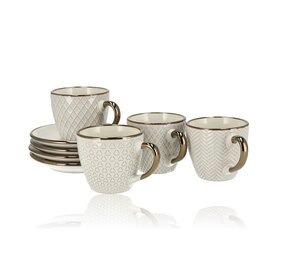
Coffee cup with saucer set of 4 po...
Coffee cup with saucer ...
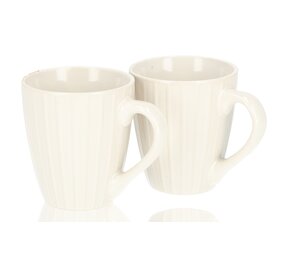
Enjoy your favorite hot drinks wit...
Enjoy your favorite hot...
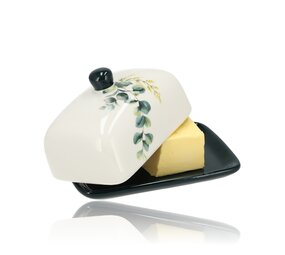
Ceramic butter dish with lid keeps...
Ceramic butter dish wit...
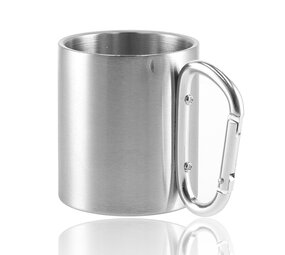
Camping mug double-walled stainles...
Camping mug double-wall...
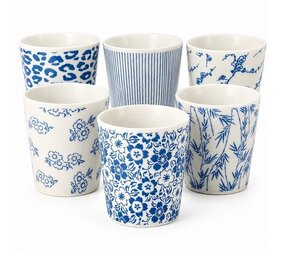
Ceramic coffee cup without handle ...
Ceramic coffee cup with...
- Ordered on working days before 12:00, delivered the next day!
- Buy now, pay later
- Fast delivery in the Netherlands & Belgium
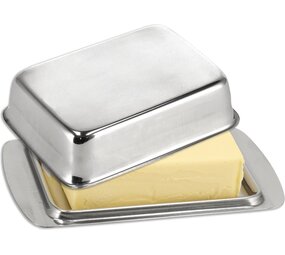
Enhance your kitchen experience wi...
Enhance your kitchen ex...
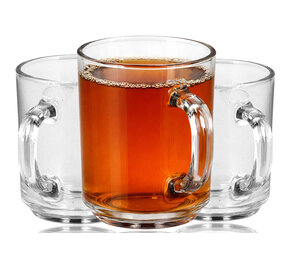
Tea glasses with handle 230 ml for...
Tea glasses with handle...
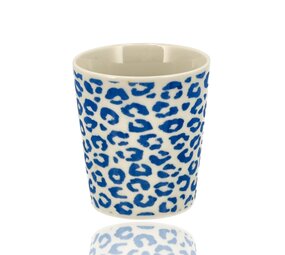
Ceramic coffee cup without handle,...
Ceramic coffee cup with...
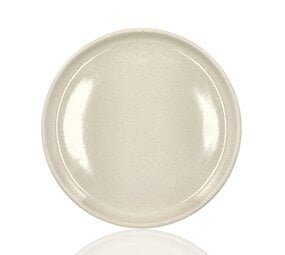
Ceramic breakfast plates Ø20 cm i...
Ceramic breakfast plate...
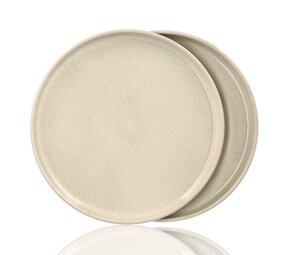
Ceramic dinner plates cream 26.3 c...
Ceramic dinner plates c...
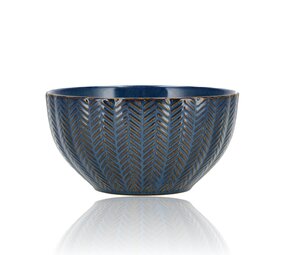
Ramen bowl Ø14 cm and soup bowls ...
Ramen bowl Ø14 cm and ...
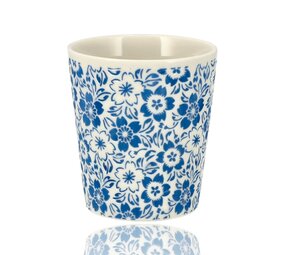
Ceramic coffee cup without handle,...
Ceramic coffee cup with...
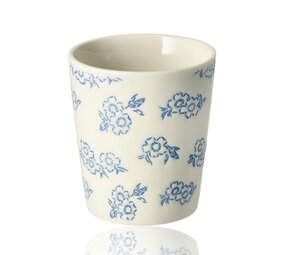
Ceramic coffee cups without handle...
Ceramic coffee cups wit...
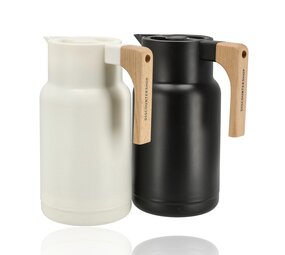
Thermos flask 1 liter stainless st...
Thermos flask 1 liter s...
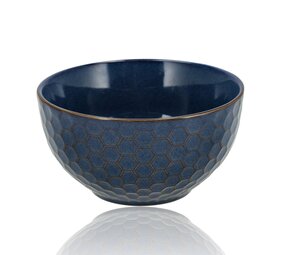
Ramen bowl and soup bowls without ...
Ramen bowl and soup bow...
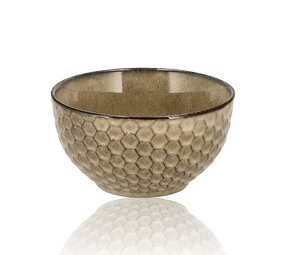
Soup bowls set Ø14 cm stoneware w...
Soup bowls set Ø14 cm ...
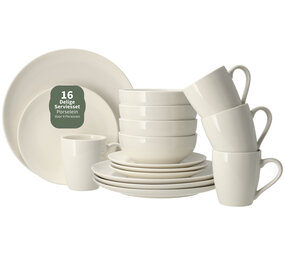
16-piece white porcelain dinnerwar...
16-piece white porcelai...
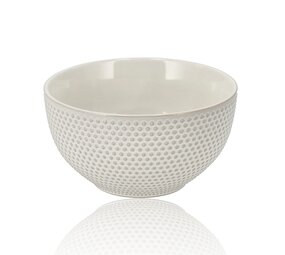
keramische soepkommen van 750 ml b...
keramische soepkommen v...
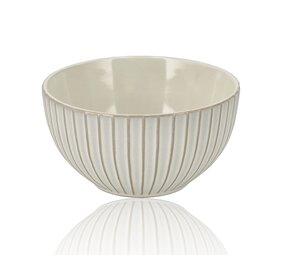
Keramische kommen van 700 ml geven...
Keramische kommen van 7...
Overige categorieën in Household, Living & Cooking
Tableware for Coffee, Tea, Snacks and Everyday Use
Buy tableware for drinking, serving and everyday meals
Tableware includes the items used to serve drinks, snacks and food at the table. This can include cups for coffee or tea, mugs for larger drinks, reusable coffee cups for travel and bowls for salads, fruit or snacks. At Discountershop, you can compare tableware by size, material, capacity, color and intended use.
The right choice depends on what you want to serve and how often the item will be used. A small coffee cup serves a different purpose from a large tea mug. A deep serving bowl can hold salad or fruit, while a low serving dish may be more suitable for snacks and side dishes.
Before ordering, check:
- the type of tableware;
- capacity or dimensions;
- construction material;
- product weight;
- quantity included;
- dishwasher and microwave suitability;
- use with hot or cold contents;
- cleaning and care instructions.
Which tableware suits your needs?
Not every tableware item is used in the same way. Start by deciding what you want to serve or drink.
This category includes:
- Cups & Mugs: for coffee, tea, hot chocolate and other hot or cold drinks.
- Coffee Cups To Go: for taking coffee, tea and other drinks to work or while travelling.
- Cups: for smaller servings of coffee, espresso, cappuccino or tea.
- Mugs: for larger drinks and regular household use.
- Serving Bowls: for salads, fruit, snacks, bread, side dishes and appetisers.
Use these category names as internal links. This allows the Tableware page to remain a broad overview while helping visitors move directly to the required product group.
Cups and mugs for coffee and tea
Cups and mugs mainly differ in capacity, shape and intended use. A coffee cup usually holds a smaller serving and may be used for espresso, regular coffee or cappuccino. A mug generally provides more room for tea, coffee, hot chocolate or soup.
When comparing cups and mugs, consider:
- capacity in millilitres;
- diameter of the opening;
- size and shape of the handle;
- thickness of the rim;
- weight when filled;
- stability of the base;
- cleaning requirements.
A wide handle can be easier to hold with several fingers. A smaller handle may take up less cupboard space but may not suit every user.
For hot drinks, confirm that the material is suitable for the expected temperature. Some decorations, finishes and cup materials should not be placed in a microwave or dishwasher.
Reusable coffee cups for travel
A coffee cup to go is intended for carrying drinks to work, during a commute or while travelling. It is important to distinguish between a standard drinking cup and a travel cup with a closable lid.
Check the product information for:
- total capacity;
- lid type;
- drinking opening;
- height and diameter;
- compatibility with vehicle cup holders;
- whether the cup is leakproof or only splash-resistant;
- whether the lid can be disassembled for cleaning;
- permitted drink temperatures.
A reusable coffee cup should be cleaned thoroughly after every use. Pay particular attention to drinking openings, seals, threads and removable rings, as drink residue may collect in these areas.
Serving bowls for snacks and food
A serving bowl can be used for salad, fruit, bread, snacks, vegetables, desserts and side dishes. The most suitable shape depends on what you plan to serve.
A deep bowl helps prevent loose ingredients from falling over the edge. A wide, low serving dish makes snacks easier to reach from different sides of the table.
Compare serving bowls by:
- diameter, length or width;
- total capacity;
- depth;
- material;
- product weight;
- rim design;
- base stability;
- stackability;
- care requirements.
Confirm that the bowl is food-safe and suitable for the temperature of the food. Not every material can be placed in an oven, microwave, refrigerator or dishwasher.
Comparing tableware materials
The material affects product weight, cleaning, handling and how the tableware should be stored.
Ceramic and earthenware
Ceramic cups, mugs and bowls commonly have a glazed surface. Check them regularly for cracks, chips and damaged rims. Stop using an item for food or drinks when it has a deep crack or loose fragment.
Porcelain
Porcelain can be made with thinner walls and often has a smooth surface. Strength and permitted use differ between products, so always check the instructions for microwave, dishwasher and hot-drink use.
Glass
Glass tableware allows the contents to remain visible. Not every type of glass can withstand sudden temperature changes. Only pour very hot liquids into a glass when the product is designed for that purpose.
Plastic
Plastic cups and bowls are often lighter than ceramic or glass alternatives. Check whether the plastic is suitable for food, hot drinks, dishwasher cleaning and microwave use. These properties differ according to the type of plastic.
Metal
Metal cups and serving bowls can be strong and relatively light. Metal should generally not be placed in a microwave. Some metal surfaces can also become hot when they contain heated food or drinks.
Tableware for everyday use
Tableware used every day should suit your routine and available cupboard space. A large mug may be useful for tea but requires more storage room than a small coffee cup. Wide serving bowls are practical at the table but may not fit in every cupboard or dishwasher.
For regular use, consider:
- simple cleaning;
- a size that fits available shelves;
- a shape that stacks securely;
- a handle that is comfortable to hold;
- a manageable product weight;
- enough pieces for the household;
- availability of matching replacement items.
Measure the cupboard depth, shelf height and dishwasher space before ordering larger mugs or serving dishes.
Combining different tableware
Not every piece has to come from the same range. Cups, mugs and serving bowls can be combined by color, material or shape.
Possible combinations include:
- one color in several shapes;
- a neutral base color with contrasting mugs;
- glass serving bowls with ceramic cups;
- plain tableware combined with patterned pieces;
- different mugs with the same capacity;
- serving bowls in several sizes.
Consider practical use as well as appearance. Different colors can work together, but large differences in capacity or weight may be less convenient when the products are used as a set.
Individual tableware pieces or multipacks
Always check how many products are included in the displayed price. The packaging may contain:
- one cup or mug;
- a set of two;
- a set of four;
- several different pieces;
- one serving bowl;
- multiple bowls in different sizes.
Individual items are useful when replacing one mug or combining several colors. Multipacks can be practical when you need several matching items.
Ordering tableware online
When ordering online, you cannot assess the weight, rim thickness or size in your hand before purchasing. Product dimensions and specifications are therefore especially important.
Check at least:
- material;
- complete dimensions;
- capacity in millilitres or litres;
- pack quantity;
- weight;
- suitability for hot or cold contents;
- dishwasher suitability;
- microwave suitability;
- care instructions.
Compare tableware at Discountershop by use, material, dimensions and pack quantity. Continue to Cups & Mugs for drinkware or Serving Bowls for presenting snacks, salads and side dishes.
Frequently Asked Questions About Tableware
What products are considered tableware?
Tableware is a broad term for items used to serve or consume food and drinks. It may include cups, mugs, plates, bowls, serving dishes and similar products. Within this category, the main focus is on drinkware and serving bowls. Use the subcategories to find the specific type of product you need.
What is the difference between tableware and tabletop accessories?
Tableware generally includes cups, mugs, dishes, bowls and other items used directly for food and drinks. Tabletop accessories is a broader term that may also include cutlery, placemats, coasters, napkin holders and other dining-table products. The exact category structure can differ between retailers.
Which tableware material is suitable for everyday use?
The best material depends on how the items will be used. Ceramic and porcelain are common choices for cups and mugs. Glass keeps the contents visible, while plastic may be lighter and easier to carry. Always check whether the product is suitable for hot contents, food contact, dishwasher cleaning and microwave use.
Can all tableware go in the dishwasher?
No. Dishwasher suitability depends on the material, decoration and surface finish. Printed designs, metallic rims and certain glazes can be damaged during dishwasher cycles. Check the product information or care symbols. When dishwasher suitability is not stated, careful hand washing may be the safer option.
Can every cup or mug be used in a microwave?
No. Cups with metal components, metallic decorations or certain glazes should not be placed in a microwave. Double-wall cups and some plastic products may also have restrictions. Only use a cup or mug in a microwave when the manufacturer confirms that it is microwave-safe.
How many cups and mugs does a household need?
This depends on the number of users, how often dishes are washed and how regularly guests visit. For daily use, consider at least one cup or mug per person, with a few additional pieces. Households that use separate cups for espresso, coffee and tea may need several sizes.
How can you prevent scratches when stacking tableware?
Only stack pieces that are shaped for safe stacking, and place them directly on top of one another. Soft protectors can be placed between sensitive items. Avoid sliding ceramic or glass pieces against each other. Check whether the bottom of each cup, mug or bowl has a rough edge that could scratch the item below it.
When should damaged tableware be replaced?
Stop using tableware when it has sharp edges, loose chips or deep cracks. Fine cracks may become larger because of heat changes, washing and regular use. A damaged rim may also cause cuts. Check frequently used tableware regularly, particularly pieces placed in a dishwasher or microwave.
How do you remove coffee and tea stains from a mug?
Begin with warm water, mild washing-up liquid and a soft sponge or brush. For persistent marks, use a cleaning method suitable for the mug material. Avoid abrasive products on delicate glazes, printed designs and decorated surfaces. Always follow the manufacturer’s cleaning instructions.
What should you check when choosing a serving bowl?
Check the capacity, depth, base and rim shape. A deep bowl can hold salads and fruit, while a lower dish may be more practical for snacks. Also confirm that the bowl stands securely, fits in the cupboard and dishwasher, and is suitable for the expected food temperature.

