
 Household, Living & Cooking
 Outdoor, Travel & Sports
 DIY, Garden & Animals
 Fashion accessories & Shoes
 Car & Motor
 Computer & Electronics
 Office & School
 Beautiful & Healthy
 Toys
Toys Eat Drink
 Baby
Baby Christmas
 King's Day


 8
8Storage chests with lids for toys, laundry, blankets and outdoor use
Storage chests for bulky items indoors and outdoors
A storage chest provides one spacious place for belongings that are too large, bulky or numerous for a standard storage container. Use one for toys, blankets, bedding, laundry, shoes, garden cushions, hobby materials or seasonal items. At Discountershop, you can compare storage chests for different rooms and purposes, from a toy chest in a child’s bedroom to a cushion storage box on the patio.
The wide opening makes it easy to put larger items away and retrieve them when needed. Depending on the model, a chest may include a hinged lid, handles, wheels, compartments or a surface that can also function as a bench. Before ordering, check the external dimensions, usable internal measurements, capacity and maximum load.
What can you store in a storage chest?
A large storage chest can hold everyday belongings as well as items used during only part of the year. Its purpose can change when you reorganise a room or need temporary storage.
Possible uses include:
a toy chest for building blocks, dolls, cuddly toys and playsets;
a blanket box for duvets, throws, bedspreads and spare pillows;
a laundry chest for clothing, towels or clean linen;
a shoe storage chest for the hallway, utility room or bedroom;
a craft chest for fabric, wool, sewing supplies and larger projects;
a sports storage chest for balls, protective gear and outdoor toys;
a storage bench when the product is designed to support sitting;
an outdoor cushion box for garden furniture cushions;
a chest for large, sealed household supplies;
a seasonal storage chest for winter textiles, camping equipment or Christmas decorations.
Storage chests work particularly well when you want to keep many bulky belongings together. For screws, beads, medicines, stationery and other small items, a compartment storage case is usually more suitable. For stackable household storage, clothing or shoes, see our storage boxes.
Which storage chest suits your needs?
Start with the contents and the location where you plan to position the chest. Capacity in litres is useful, but it does not tell you whether a long, wide or unusually shaped object will fit. Always compare the internal measurements with the largest item you intend to store.
Toy chest for a child’s bedroom or playroom
A toy storage chest provides one accessible place for loose toys after playtime. A broad opening is useful for large stuffed animals, building blocks, balls, dolls and toy vehicles.
When comparing toy chests, check:
whether the lid has a soft-close mechanism or lid support;
whether ventilation openings are included;
whether the base remains stable during use;
whether hinges can trap small fingers;
whether the surface is easy to wipe clean;
whether the chest can lock accidentally;
whether sitting on the lid is permitted.
Small toy parts can first be separated into storage baskets or removable trays. Place these inside the chest to prevent pieces from collecting at the bottom.
Blanket box for the bedroom or living room
A blanket storage chest is intended for bulky textiles such as duvets, throws, spare bedding and decorative cushions. It can be positioned at the foot of a bed, beside a wardrobe or against a free wall.
Only store textiles when they are clean and completely dry. Separate bedding sets in breathable fabric bags so they remain together. If you want to use the unused space beneath a bed, an underbed storage box or low storage bag may be more practical.
Laundry chest and linen storage
A laundry chest keeps used clothing, towels or clean linen together and out of sight. Ventilation is particularly important for worn clothes. Do not put damp towels or wet sportswear in a fully closed chest.
A chest with compartments—or separate laundry bags placed inside—can help divide:
white laundry;
coloured garments;
dark clothing;
towels and bed linen;
delicate items.
Check whether the inner surface can be cleaned easily. A removable liner can make carrying and sorting laundry more convenient.
Storage bench or seating chest
A storage bench combines internal storage with an additional seat. It can be useful in a hallway, bedroom, utility room or playroom. However, not every chest is designed to carry a person’s weight.
Only sit on the product when the manufacturer identifies it as a seating chest or storage bench and provides a maximum load. Without an approved weight capacity, use the top solely as a lid.
Possible contents for a storage bench include:
shoes and shoe-care products;
hats, scarves and gloves;
blankets and spare cushions;
children’s toys;
bags and sports accessories.
Outdoor storage chest for garden cushions
An outdoor storage chest, deck box or cushion storage box can hold garden cushions, furniture covers, outdoor toys and small garden accessories. For outdoor use, examine the material, lid construction, base and stated protection against moisture.
“Water-resistant,” “weather-resistant,” “splash-resistant” and “waterproof” do not mean the same thing. If no waterproof rating or IP rating is given, place the chest beneath a shelter during prolonged rain. Never store damp garden cushions in a sealed box; allow them to dry completely first.
For smaller garden tools and accessories, see storage boxes. If you mainly need flexible storage for soft items, consider a storage bag.
Storage chest with a lid
A storage chest with a lid keeps its contents out of view and reduces dust exposure. The lid may be detachable, hinged or fitted with a supporting mechanism.
Compare the following features:
the opening angle;
the space required behind the chest;
hinges, dampers or gas struts;
a handle or recessed grip;
the possibility of adding a padlock;
the permitted load on top of the lid;
ventilation for textiles or laundry;
protection against fingers becoming trapped.
Do not place a chest with a hinged lid directly beneath a low shelf. Measure both the closed height and the space needed to open it fully.
Storage chest with wheels or handles
A wheeled storage chest is easier to move when filled with toys, linen, sports equipment or garden supplies. Swivel castors can move in several directions, while fixed wheels mainly allow forward and backward movement.
Consider the floor beneath the chest. Deep joints, thresholds, gravel and thick carpet can make small wheels difficult to use. Wheel locks can help keep the chest in position. Lift a loaded chest only by handles designed for carrying—not by its lid.
Plastic, wood or metal: which material should you choose?
The material affects the weight, maintenance requirements and suitable location of the chest.
Plastic storage chest
A plastic storage chest is generally lightweight and easy to wipe clean. Plastic models are commonly used for toys, laundry, outdoor cushions and general household storage.
For outdoor placement, verify whether the product is intended for exterior use. Check for information about UV exposure, temperature changes and water resistance. Prolonged sunlight can cause unsuitable plastics to discolour or become brittle.
Wooden storage chest
A wooden storage chest may function as a blanket box, toy chest or storage bench. Wood requires more care in damp conditions and during temperature changes.
Only place a wooden chest outdoors when the material, joints and finish are specifically intended for exterior use. In a child’s room, inspect edges, hinges and the lid-support mechanism carefully.
Metal storage chest
A metal storage chest can be suitable for work materials, equipment or garage storage. Consider the empty weight, sharp edges, corrosion protection and humidity in the room.
Condensation may affect both the metal and the contents. Protect tools and other moisture-sensitive items, and avoid placing untreated metal directly on a damp floor.
Rattan-effect storage chest
A rattan-effect storage chest usually has a moulded plastic body with a woven surface pattern. These models are often used on balconies, patios and in utility rooms.
The woven appearance does not determine weather resistance. Check the actual material and product specifications before using it outside.
What size storage chest do you need?
Begin by listing what must fit inside. Measure the largest objects and then measure the available floor space. Also account for the height and clearance needed to open the lid.
Check:
external width, height and depth;
usable internal dimensions;
capacity in litres;
intrusions from hinges or wheel housings;
the size of the largest item;
walking space around the chest;
skirting boards, radiators and opening doors;
clearance above and behind the lid;
the total filled weight.
A chest with a high litre capacity is not automatically suitable for long objects. Fishing rods, parasol components and long garden tools require sufficient usable internal length.
Storage chest or storage box: what is the difference?
Although these names are sometimes used interchangeably, each product usually answers a different storage need.
| Product | Best suited to | Typical feature |
|---|---|---|
| Storage chest | Toys, blankets, laundry and garden cushions | Wide opening with a large or hinged lid |
| Storage box | Clothes, shoes and general household storage | Often stackable, transparent or wheeled |
| Storage case | Tools, crafts and small sorted items | Portable handle and optional compartments |
| Storage basket | Frequently used items and open storage | Contents remain quickly accessible |
| Storage bag | Bedding, clothing and movable textile storage | Flexible construction and often foldable |
| Storage bench | Hallway, bedroom or playroom storage | Approved seating surface with storage below |
For smaller storage products organised by room and purpose, browse the complete storage and organisation category.
How to organise the inside of a large storage chest
A single open compartment accommodates bulky belongings, but small items can become difficult to reach. An internal system keeps related items together without changing the chest itself.
You can use:
small baskets for toy parts;
fabric bags for separate linen sets;
dividers for sports or hobby supplies;
labels inside the lid;
transparent pouches for accessories;
an inventory list for seasonal contents;
protective covers for delicate textiles.
Place heavy objects at the bottom and lightweight or soft items on top. Avoid overfilling the chest, as pressure against the lid can damage hinges and prevent proper closing.
Using a storage chest safely
Position the chest on a flat, stable surface with enough room to open it properly. Do not exceed the maximum capacity or load stated for the base, handles, wheels or lid.
In households with children, ventilation, lid support and non-locking access require particular attention. A storage chest is not a play space. Children should not climb inside, and the chest must not be capable of locking them in.
Inspect moving components periodically. Stop using the chest if a hinge, gas strut, handle or wheel is loose or damaged.
Cleaning and maintaining a storage chest
The correct cleaning method depends on the material:
wipe plastic with a soft cloth, lukewarm water and mild detergent;
dry metal components and hinges after cleaning;
maintain wood according to the product instructions;
remove sand and dirt from seams, rails and wheels;
allow the interior to dry before replacing textiles;
ventilate chests used for shoes, laundry or garden cushions;
test cleaning products on an inconspicuous area first.
Avoid abrasive sponges and aggressive cleaning agents unless the care instructions state that the surface can withstand them.
Watch product guidance on YouTube
Would you like to see how storage products are arranged or used in practice? Visit the Discountershop YouTube channel for product videos, practical guidance and usage examples. Video can help you estimate a chest’s dimensions, lid movement and possible applications before ordering.
Frequently asked questions about storage chests
Can I sit on every storage chest?
No. Only use a chest as a seat when it is specifically designed as a storage bench and has a stated maximum load. A standard plastic lid can bend, collapse or break.
How can I stop the lid from slamming shut?
Choose a model with soft-close hinges, a gas strut or a lid-support mechanism. Check these parts regularly and stop using the chest if the support becomes loose or damaged.
Can an outdoor storage chest remain outside all year?
That depends on its materials and specifications. Confirm that the product is approved for outdoor use. If no waterproof or UV-resistance information is provided, protect it from prolonged rain, frost and intense sunlight.
How can I keep garden cushions dry inside a deck box?
Only store completely dry cushions. Close the lid correctly and, when necessary, place the chest beneath a canopy. Breathable inner covers may provide additional separation, but they do not turn a splash-resistant chest into a waterproof one.
What should I check when choosing a toy chest?
Look for rounded corners, ventilation openings, a stable base and protected or soft-closing hinges. Avoid designs that can lock from the outside while a child is inside.
Can I position a hinged storage chest against a wall?
Some clearance is usually required behind a hinged lid. Check the opening angle and account for skirting boards, wall sockets and radiators before positioning the chest.
How can I prevent blankets from developing a musty smell?
Store only clean, completely dry textiles. Use breathable fabric bags and air the chest regularly. Avoid placing it against a damp or poorly insulated exterior wall.
Does a lockable storage chest prevent theft?
A lockable lid discourages casual access but does not automatically make a lightweight chest theft-resistant. Check the material, lock fitting and whether the chest can be anchored to a fixed surface.
Can I keep heavy tools in a large storage chest?
Only when the base and overall construction have sufficient load capacity. Distribute the weight evenly. A tool case or compartment organiser is often more practical for numerous small tools.
How do I move a fully loaded storage chest?
Limit the total weight, choose strong carrying handles or suitable wheels, and divide very heavy items between multiple containers. Never lift or pull a loaded chest by its lid.
Can food be stored inside a storage chest?
Only if the chest is explicitly approved for food contact and the environment is suitable for the food concerned. Otherwise, place food in sealed, food-safe containers within an appropriate pantry or cupboard.
Is a storage chest or vacuum bag better for blankets?
A storage chest provides quicker access and does not heavily compress the contents. A vacuum bag saves more space but may not be suitable for every filling or textile. Follow the care instructions for the blanket or duvet.
Give bulky belongings one practical storage place
The right storage chest gives toys, blankets, laundry, garden cushions and seasonal belongings a fixed location. Compare the materials, internal measurements, lid construction, load capacity and suitability for indoor or outdoor use before ordering.
Which storage chest fits my space?
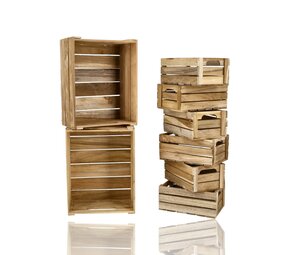
Wooden crate set with wooden crate...
Wooden crate set with w...
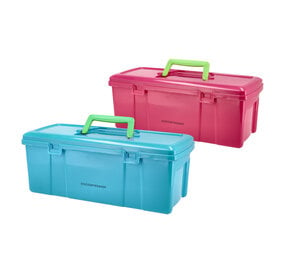
Plastic Storage Box with Handle 36...
Plastic Storage Box wit...
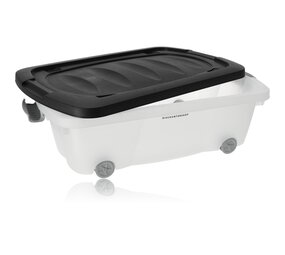
Are you looking for a handy soluti...
Are you looking for a h...
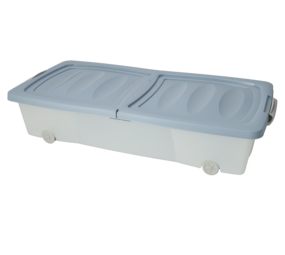
Are you looking for a practical an...
Are you looking for a p...
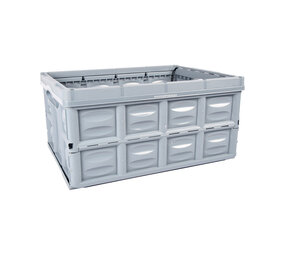
Blue 45 liter foldable crate made ...
Blue 45 liter foldable ...
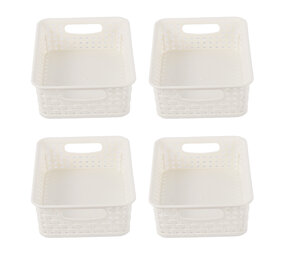
White plastic storage basket with ...
White plastic storage b...
- Ordered on working days before 12:00, delivered the next day!
- Buy now, pay later
- Fast delivery in the Netherlands & Belgium
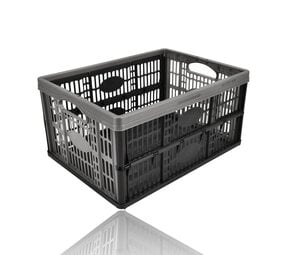
32L black folding crate, sturdy up...
32L black folding crate...
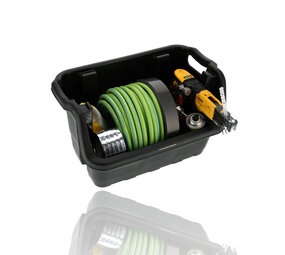
Durable stackable plastic storage ...
Durable stackable plast...
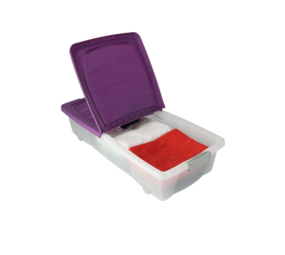
Thanks to the compact size of 79x3...
Thanks to the compact s...
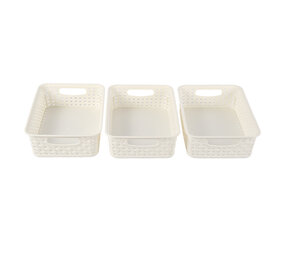
white storage baskets - light and ...
white storage baskets -...
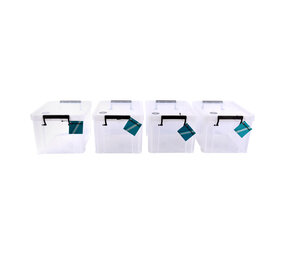
Keep your belongings organized wit...
Keep your belongings or...
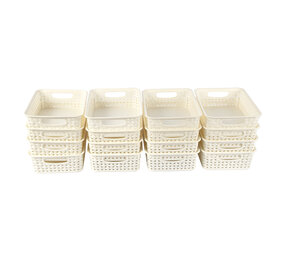
Efficient set of 16 white storage ...
Efficient set of 16 whi...
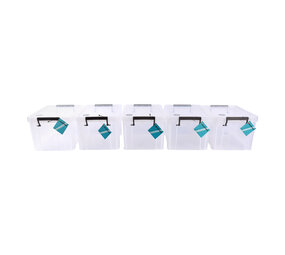
Organize your things effortlessly ...
Organize your things ef...
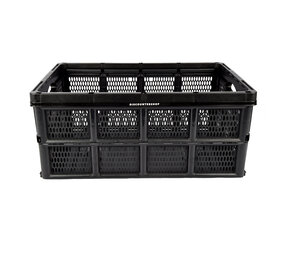
Convenient plastic folding crate f...
Convenient plastic fold...
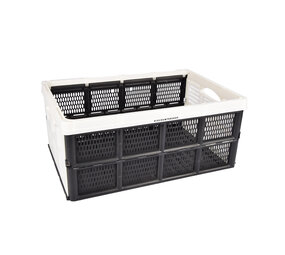
Foldable storage crate 32 liter: c...
Foldable storage crate ...
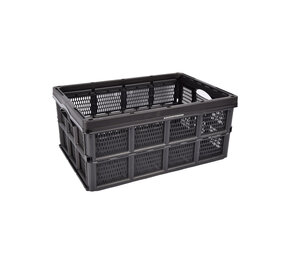
Collapsible folding crate 32L made...
Collapsible folding cra...
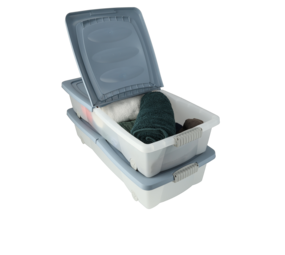
Storage Boxes with Lid and Wheels ...
Storage Boxes with Lid ...
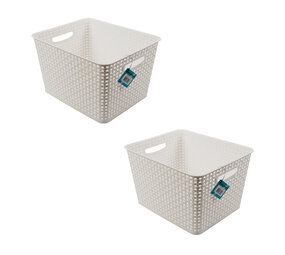
Conquer clutter with these strong ...
Conquer clutter with th...
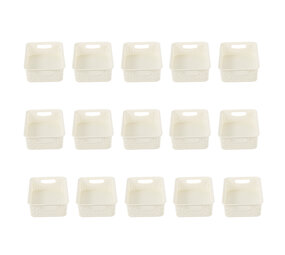
Handy set of 15 white storage bask...
Handy set of 15 white s...
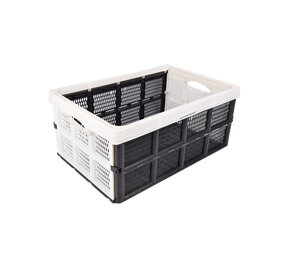
White-black 32 liter foldable crat...
White-black 32 liter fo...
Overige categorieën in Household, Living & Cooking
Storage chests with lids for toys, laundry, blankets and outdoor use
Storage chests for bulky items indoors and outdoors
A storage chest provides one spacious place for belongings that are too large, bulky or numerous for a standard storage container. Use one for toys, blankets, bedding, laundry, shoes, garden cushions, hobby materials or seasonal items. At Discountershop, you can compare storage chests for different rooms and purposes, from a toy chest in a child’s bedroom to a cushion storage box on the patio.
The wide opening makes it easy to put larger items away and retrieve them when needed. Depending on the model, a chest may include a hinged lid, handles, wheels, compartments or a surface that can also function as a bench. Before ordering, check the external dimensions, usable internal measurements, capacity and maximum load.
What can you store in a storage chest?
A large storage chest can hold everyday belongings as well as items used during only part of the year. Its purpose can change when you reorganise a room or need temporary storage.
Possible uses include:
a toy chest for building blocks, dolls, cuddly toys and playsets;
a blanket box for duvets, throws, bedspreads and spare pillows;
a laundry chest for clothing, towels or clean linen;
a shoe storage chest for the hallway, utility room or bedroom;
a craft chest for fabric, wool, sewing supplies and larger projects;
a sports storage chest for balls, protective gear and outdoor toys;
a storage bench when the product is designed to support sitting;
an outdoor cushion box for garden furniture cushions;
a chest for large, sealed household supplies;
a seasonal storage chest for winter textiles, camping equipment or Christmas decorations.
Storage chests work particularly well when you want to keep many bulky belongings together. For screws, beads, medicines, stationery and other small items, a compartment storage case is usually more suitable. For stackable household storage, clothing or shoes, see our storage boxes.
Which storage chest suits your needs?
Start with the contents and the location where you plan to position the chest. Capacity in litres is useful, but it does not tell you whether a long, wide or unusually shaped object will fit. Always compare the internal measurements with the largest item you intend to store.
Toy chest for a child’s bedroom or playroom
A toy storage chest provides one accessible place for loose toys after playtime. A broad opening is useful for large stuffed animals, building blocks, balls, dolls and toy vehicles.
When comparing toy chests, check:
whether the lid has a soft-close mechanism or lid support;
whether ventilation openings are included;
whether the base remains stable during use;
whether hinges can trap small fingers;
whether the surface is easy to wipe clean;
whether the chest can lock accidentally;
whether sitting on the lid is permitted.
Small toy parts can first be separated into storage baskets or removable trays. Place these inside the chest to prevent pieces from collecting at the bottom.
Blanket box for the bedroom or living room
A blanket storage chest is intended for bulky textiles such as duvets, throws, spare bedding and decorative cushions. It can be positioned at the foot of a bed, beside a wardrobe or against a free wall.
Only store textiles when they are clean and completely dry. Separate bedding sets in breathable fabric bags so they remain together. If you want to use the unused space beneath a bed, an underbed storage box or low storage bag may be more practical.
Laundry chest and linen storage
A laundry chest keeps used clothing, towels or clean linen together and out of sight. Ventilation is particularly important for worn clothes. Do not put damp towels or wet sportswear in a fully closed chest.
A chest with compartments—or separate laundry bags placed inside—can help divide:
white laundry;
coloured garments;
dark clothing;
towels and bed linen;
delicate items.
Check whether the inner surface can be cleaned easily. A removable liner can make carrying and sorting laundry more convenient.
Storage bench or seating chest
A storage bench combines internal storage with an additional seat. It can be useful in a hallway, bedroom, utility room or playroom. However, not every chest is designed to carry a person’s weight.
Only sit on the product when the manufacturer identifies it as a seating chest or storage bench and provides a maximum load. Without an approved weight capacity, use the top solely as a lid.
Possible contents for a storage bench include:
shoes and shoe-care products;
hats, scarves and gloves;
blankets and spare cushions;
children’s toys;
bags and sports accessories.
Outdoor storage chest for garden cushions
An outdoor storage chest, deck box or cushion storage box can hold garden cushions, furniture covers, outdoor toys and small garden accessories. For outdoor use, examine the material, lid construction, base and stated protection against moisture.
“Water-resistant,” “weather-resistant,” “splash-resistant” and “waterproof” do not mean the same thing. If no waterproof rating or IP rating is given, place the chest beneath a shelter during prolonged rain. Never store damp garden cushions in a sealed box; allow them to dry completely first.
For smaller garden tools and accessories, see storage boxes. If you mainly need flexible storage for soft items, consider a storage bag.
Storage chest with a lid
A storage chest with a lid keeps its contents out of view and reduces dust exposure. The lid may be detachable, hinged or fitted with a supporting mechanism.
Compare the following features:
the opening angle;
the space required behind the chest;
hinges, dampers or gas struts;
a handle or recessed grip;
the possibility of adding a padlock;
the permitted load on top of the lid;
ventilation for textiles or laundry;
protection against fingers becoming trapped.
Do not place a chest with a hinged lid directly beneath a low shelf. Measure both the closed height and the space needed to open it fully.
Storage chest with wheels or handles
A wheeled storage chest is easier to move when filled with toys, linen, sports equipment or garden supplies. Swivel castors can move in several directions, while fixed wheels mainly allow forward and backward movement.
Consider the floor beneath the chest. Deep joints, thresholds, gravel and thick carpet can make small wheels difficult to use. Wheel locks can help keep the chest in position. Lift a loaded chest only by handles designed for carrying—not by its lid.
Plastic, wood or metal: which material should you choose?
The material affects the weight, maintenance requirements and suitable location of the chest.
Plastic storage chest
A plastic storage chest is generally lightweight and easy to wipe clean. Plastic models are commonly used for toys, laundry, outdoor cushions and general household storage.
For outdoor placement, verify whether the product is intended for exterior use. Check for information about UV exposure, temperature changes and water resistance. Prolonged sunlight can cause unsuitable plastics to discolour or become brittle.
Wooden storage chest
A wooden storage chest may function as a blanket box, toy chest or storage bench. Wood requires more care in damp conditions and during temperature changes.
Only place a wooden chest outdoors when the material, joints and finish are specifically intended for exterior use. In a child’s room, inspect edges, hinges and the lid-support mechanism carefully.
Metal storage chest
A metal storage chest can be suitable for work materials, equipment or garage storage. Consider the empty weight, sharp edges, corrosion protection and humidity in the room.
Condensation may affect both the metal and the contents. Protect tools and other moisture-sensitive items, and avoid placing untreated metal directly on a damp floor.
Rattan-effect storage chest
A rattan-effect storage chest usually has a moulded plastic body with a woven surface pattern. These models are often used on balconies, patios and in utility rooms.
The woven appearance does not determine weather resistance. Check the actual material and product specifications before using it outside.
What size storage chest do you need?
Begin by listing what must fit inside. Measure the largest objects and then measure the available floor space. Also account for the height and clearance needed to open the lid.
Check:
external width, height and depth;
usable internal dimensions;
capacity in litres;
intrusions from hinges or wheel housings;
the size of the largest item;
walking space around the chest;
skirting boards, radiators and opening doors;
clearance above and behind the lid;
the total filled weight.
A chest with a high litre capacity is not automatically suitable for long objects. Fishing rods, parasol components and long garden tools require sufficient usable internal length.
Storage chest or storage box: what is the difference?
Although these names are sometimes used interchangeably, each product usually answers a different storage need.
| Product | Best suited to | Typical feature |
|---|---|---|
| Storage chest | Toys, blankets, laundry and garden cushions | Wide opening with a large or hinged lid |
| Storage box | Clothes, shoes and general household storage | Often stackable, transparent or wheeled |
| Storage case | Tools, crafts and small sorted items | Portable handle and optional compartments |
| Storage basket | Frequently used items and open storage | Contents remain quickly accessible |
| Storage bag | Bedding, clothing and movable textile storage | Flexible construction and often foldable |
| Storage bench | Hallway, bedroom or playroom storage | Approved seating surface with storage below |
For smaller storage products organised by room and purpose, browse the complete storage and organisation category.
How to organise the inside of a large storage chest
A single open compartment accommodates bulky belongings, but small items can become difficult to reach. An internal system keeps related items together without changing the chest itself.
You can use:
small baskets for toy parts;
fabric bags for separate linen sets;
dividers for sports or hobby supplies;
labels inside the lid;
transparent pouches for accessories;
an inventory list for seasonal contents;
protective covers for delicate textiles.
Place heavy objects at the bottom and lightweight or soft items on top. Avoid overfilling the chest, as pressure against the lid can damage hinges and prevent proper closing.
Using a storage chest safely
Position the chest on a flat, stable surface with enough room to open it properly. Do not exceed the maximum capacity or load stated for the base, handles, wheels or lid.
In households with children, ventilation, lid support and non-locking access require particular attention. A storage chest is not a play space. Children should not climb inside, and the chest must not be capable of locking them in.
Inspect moving components periodically. Stop using the chest if a hinge, gas strut, handle or wheel is loose or damaged.
Cleaning and maintaining a storage chest
The correct cleaning method depends on the material:
wipe plastic with a soft cloth, lukewarm water and mild detergent;
dry metal components and hinges after cleaning;
maintain wood according to the product instructions;
remove sand and dirt from seams, rails and wheels;
allow the interior to dry before replacing textiles;
ventilate chests used for shoes, laundry or garden cushions;
test cleaning products on an inconspicuous area first.
Avoid abrasive sponges and aggressive cleaning agents unless the care instructions state that the surface can withstand them.
Watch product guidance on YouTube
Would you like to see how storage products are arranged or used in practice? Visit the Discountershop YouTube channel for product videos, practical guidance and usage examples. Video can help you estimate a chest’s dimensions, lid movement and possible applications before ordering.
Frequently asked questions about storage chests
Can I sit on every storage chest?
No. Only use a chest as a seat when it is specifically designed as a storage bench and has a stated maximum load. A standard plastic lid can bend, collapse or break.
How can I stop the lid from slamming shut?
Choose a model with soft-close hinges, a gas strut or a lid-support mechanism. Check these parts regularly and stop using the chest if the support becomes loose or damaged.
Can an outdoor storage chest remain outside all year?
That depends on its materials and specifications. Confirm that the product is approved for outdoor use. If no waterproof or UV-resistance information is provided, protect it from prolonged rain, frost and intense sunlight.
How can I keep garden cushions dry inside a deck box?
Only store completely dry cushions. Close the lid correctly and, when necessary, place the chest beneath a canopy. Breathable inner covers may provide additional separation, but they do not turn a splash-resistant chest into a waterproof one.
What should I check when choosing a toy chest?
Look for rounded corners, ventilation openings, a stable base and protected or soft-closing hinges. Avoid designs that can lock from the outside while a child is inside.
Can I position a hinged storage chest against a wall?
Some clearance is usually required behind a hinged lid. Check the opening angle and account for skirting boards, wall sockets and radiators before positioning the chest.
How can I prevent blankets from developing a musty smell?
Store only clean, completely dry textiles. Use breathable fabric bags and air the chest regularly. Avoid placing it against a damp or poorly insulated exterior wall.
Does a lockable storage chest prevent theft?
A lockable lid discourages casual access but does not automatically make a lightweight chest theft-resistant. Check the material, lock fitting and whether the chest can be anchored to a fixed surface.
Can I keep heavy tools in a large storage chest?
Only when the base and overall construction have sufficient load capacity. Distribute the weight evenly. A tool case or compartment organiser is often more practical for numerous small tools.
How do I move a fully loaded storage chest?
Limit the total weight, choose strong carrying handles or suitable wheels, and divide very heavy items between multiple containers. Never lift or pull a loaded chest by its lid.
Can food be stored inside a storage chest?
Only if the chest is explicitly approved for food contact and the environment is suitable for the food concerned. Otherwise, place food in sealed, food-safe containers within an appropriate pantry or cupboard.
Is a storage chest or vacuum bag better for blankets?
A storage chest provides quicker access and does not heavily compress the contents. A vacuum bag saves more space but may not be suitable for every filling or textile. Follow the care instructions for the blanket or duvet.
Give bulky belongings one practical storage place
The right storage chest gives toys, blankets, laundry, garden cushions and seasonal belongings a fixed location. Compare the materials, internal measurements, lid construction, load capacity and suitability for indoor or outdoor use before ordering.
