
 Household, Living & Cooking
 Outdoor, Travel & Sports
 DIY, Garden & Animals
 Fashion accessories & Shoes
 Car & Motor
 Computer & Electronics
 Office & School
 Beautiful & Healthy
 Toys
Toys Eat Drink
 Baby
Baby Christmas
 King's Day


 8
8Water glasses
Where to Buy Water Glasses, Wine Glasses, and Whiskey Glasses Online
When it comes to selecting glasses for various occasions, water glasses, wine glasses, and whiskey glasses are three of the most essential types. Each glass serves a different purpose, and having a set of these glasses can enhance your drinking experience. With the rise of online shopping, buying water glasses, wine glasses, and whiskey glasses has become easier than ever. In this article, we'll explore some of the best places to buy these glasses online.
Water Glasses
Water glasses are versatile and can be used for any beverage, whether it's water, juice, soda, or any other non-alcoholic drink. They come in different shapes and sizes, but the most common ones are the tall glasses with a cylindrical shape. If you're looking for a set of water glasses, you can find them on Amazon, Walmart, and Bed Bath & Beyond. These websites have a wide variety of water glasses, from basic ones to more intricate designs. You can choose the ones that suit your style and budget. Additionally, these websites offer customer reviews, which can help you make an informed decision.
Wine Glasses
Wine glasses are designed to enhance the taste and aroma of wine. They come in different shapes and sizes, depending on the type of wine you're drinking. For example, red wine glasses are wider and have a larger bowl to allow the wine to breathe, while white wine glasses are narrower and have a smaller bowl. If you're a wine lover, having a set of wine glasses can make a big difference in your wine-drinking experience. You can buy wine glasses on websites like Crate & Barrel, Sur La Table, and Wine Enthusiast. These websites have a wide selection of wine glasses, from simple and elegant to more extravagant designs.
Whiskey Glasses
Whiskey glasses, also known as whiskey tumblers or rocks glasses, are designed for drinking whiskey neat or on the rocks. They have a thick bottom and a wide mouth, which allows you to enjoy the aroma and flavor of the whiskey. If you're a whiskey enthusiast, having a set of whiskey glasses is a must. You can buy whiskey glasses on websites like Amazon, Crate & Barrel, and Williams Sonoma. These websites have a wide variety of whiskey glasses, from classic and traditional designs to modern and unique ones.
In addition to these websites, there are also websites that specialize in glassware. For example, Replacements, Ltd. has a wide selection of glassware, including water glasses, wine glasses, and whiskey glasses. They offer vintage and discontinued glassware, which can be a great option if you're looking for something unique. Another website that specializes in glassware is Glassware and More. They offer a wide variety of glassware, including crystal glasses, stemware, and barware. They also have a section dedicated to water glasses, wine glasses, and whiskey glasses.
When buying glasses online, it's important to pay attention to the material, size, and design. Glassware can be fragile, so make sure the website has a good return policy in case the glasses arrive damaged. Also, make sure the glasses are dishwasher safe if that's important to you. Finally, don't be afraid to read customer reviews to get a better idea of the quality and durability of the glasses.
In conclusion, buying water glasses, wine glasses, and whiskey glasses online has never been easier. With a wide selection of websites to choose from, you can find the glasses that suit your style and budget. Whether you're a wine lover, whiskey enthusiast, or just looking for a set of basic water glasses. With the wide range of water glasses available online, you can elevate your drinking experience and add a touch of style and elegance to your home. Whether you prefer a classic tumbler or a delicate stemmed glass, there's something for everyone when you buy water glasses online.
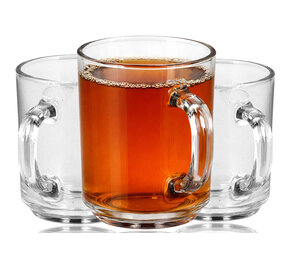
Tea glasses with handle 230 ml for...
Tea glasses with handle...
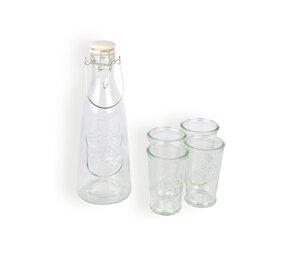
Discover our glass carafe and drin...
Discover our glass cara...
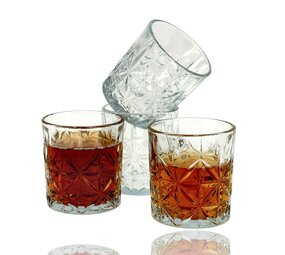
Whiskey glasses set for bar and ho...
Whiskey glasses set for...
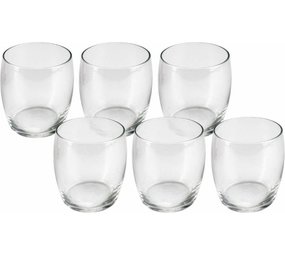
Drinking Glasses 6 Pieces In The P...
Drinking Glasses 6 Piec...
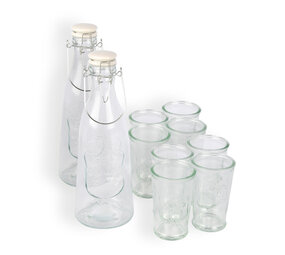
Modern set with two 1 liter glass ...
Modern set with two 1 l...
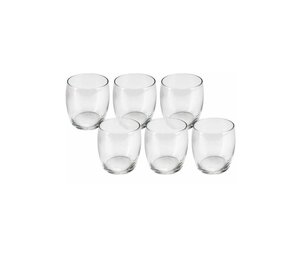
6x water glasses 390 ML - Juice gl...
6x water glasses 390 ML...
- Ordered on working days before 12:00, delivered the next day!
- Buy now, pay later
- Fast delivery in the Netherlands & Belgium
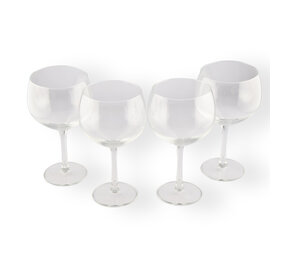
Discover our luxury gin and tonic ...
Discover our luxury gin...
Overige categorieën in Household, Living & Cooking
Water glasses
Where to Buy Water Glasses, Wine Glasses, and Whiskey Glasses Online
When it comes to selecting glasses for various occasions, water glasses, wine glasses, and whiskey glasses are three of the most essential types. Each glass serves a different purpose, and having a set of these glasses can enhance your drinking experience. With the rise of online shopping, buying water glasses, wine glasses, and whiskey glasses has become easier than ever. In this article, we'll explore some of the best places to buy these glasses online.
Water Glasses
Water glasses are versatile and can be used for any beverage, whether it's water, juice, soda, or any other non-alcoholic drink. They come in different shapes and sizes, but the most common ones are the tall glasses with a cylindrical shape. If you're looking for a set of water glasses, you can find them on Amazon, Walmart, and Bed Bath & Beyond. These websites have a wide variety of water glasses, from basic ones to more intricate designs. You can choose the ones that suit your style and budget. Additionally, these websites offer customer reviews, which can help you make an informed decision.
Wine Glasses
Wine glasses are designed to enhance the taste and aroma of wine. They come in different shapes and sizes, depending on the type of wine you're drinking. For example, red wine glasses are wider and have a larger bowl to allow the wine to breathe, while white wine glasses are narrower and have a smaller bowl. If you're a wine lover, having a set of wine glasses can make a big difference in your wine-drinking experience. You can buy wine glasses on websites like Crate & Barrel, Sur La Table, and Wine Enthusiast. These websites have a wide selection of wine glasses, from simple and elegant to more extravagant designs.
Whiskey Glasses
Whiskey glasses, also known as whiskey tumblers or rocks glasses, are designed for drinking whiskey neat or on the rocks. They have a thick bottom and a wide mouth, which allows you to enjoy the aroma and flavor of the whiskey. If you're a whiskey enthusiast, having a set of whiskey glasses is a must. You can buy whiskey glasses on websites like Amazon, Crate & Barrel, and Williams Sonoma. These websites have a wide variety of whiskey glasses, from classic and traditional designs to modern and unique ones.
In addition to these websites, there are also websites that specialize in glassware. For example, Replacements, Ltd. has a wide selection of glassware, including water glasses, wine glasses, and whiskey glasses. They offer vintage and discontinued glassware, which can be a great option if you're looking for something unique. Another website that specializes in glassware is Glassware and More. They offer a wide variety of glassware, including crystal glasses, stemware, and barware. They also have a section dedicated to water glasses, wine glasses, and whiskey glasses.
When buying glasses online, it's important to pay attention to the material, size, and design. Glassware can be fragile, so make sure the website has a good return policy in case the glasses arrive damaged. Also, make sure the glasses are dishwasher safe if that's important to you. Finally, don't be afraid to read customer reviews to get a better idea of the quality and durability of the glasses.
In conclusion, buying water glasses, wine glasses, and whiskey glasses online has never been easier. With a wide selection of websites to choose from, you can find the glasses that suit your style and budget. Whether you're a wine lover, whiskey enthusiast, or just looking for a set of basic water glasses. With the wide range of water glasses available online, you can elevate your drinking experience and add a touch of style and elegance to your home. Whether you prefer a classic tumbler or a delicate stemmed glass, there's something for everyone when you buy water glasses online.
