
 Household, Living & Cooking
 Outdoor, Travel & Sports
 DIY, Garden & Animals
 Fashion accessories & Shoes
 Car & Motor
 Computer & Electronics
 Office & School
 Beautiful & Healthy
 Toys
Toys Eat Drink
 Baby
Baby Christmas
 King's Day


 8
8Spoons for Eating, Coffee, Soup, Cooking and Serving
Spoons for Eating, Cooking, Serving and Coffee
A spoon seems simple until you try using the same one for espresso, soup, a deep serving bowl and a hot saucepan. That is when the differences in length, bowl depth, width and material become noticeable. A coffee spoon needs to fit comfortably inside a small cup, while a serving spoon needs enough reach and capacity to move food from a deep dish.
At Discountershop, you can compare Spoons for different uses at the table and in the kitchen. Rather than choosing by appearance alone, first decide what the spoon needs to do, then match it with suitable Tableware.
Which types of spoons do you actually need?
The name of a spoon gives you a clue about its purpose, but the relationship between handle length, bowl width and bowl depth usually determines how practical it is.
A tablespoon works for soups, yoghurt, rice dishes and other foods where you want to pick up a reasonable amount in one movement. A dessert spoon is generally smaller and is more comfortable for puddings, ice cream and smaller bowls.
Teaspoons and coffee spoons have smaller bowls. When used with Cups & Mugs, handle length matters as much as bowl size: an espresso cup requires something different from a tall mug. At breakfast, Egg Cups are also easier to use with a smaller spoon than with a full-size tablespoon.
In the kitchen, the purpose changes. A serving spoon needs a longer handle and larger bowl, a sauce spoon is designed for more controlled pouring, and a slotted spoon allows liquid or oil to drain through openings in the bowl.
What spoon length should you choose?
The right size depends heavily on the container the spoon needs to reach into. Terms such as small, medium and large therefore do not tell you enough.
As a practical guide:
- around 7–12 cm: mini spoons and coffee spoons for espresso, sugar bowls, jam, honey or condiments;
- around 12–16 cm: teaspoons and smaller dessert spoons;
- around 18–22 cm: many table spoons and eating spoons;
- around 28–35 cm or more: cooking, sauce and serving spoons for deeper pans and serving dishes.
These are general ranges rather than fixed standards. If you already own a spoon that feels comfortable, measure it before buying another one online.
The proportions should also suit your Plates. A long, heavy spoon can feel oversized next to compact breakfast tableware. With Coffee & Tea Accessories, the opposite problem can occur: a handle that is too short may disappear into a tall mug.
Why does the shape of the spoon bowl matter?
A deeper bowl holds more liquid, making it useful for soup and sauces. A shallower, broader bowl can give you better control with thicker or more solid foods.
When serving from Serving Bowls, the bowl should also be large enough to transfer a portion without needing several scoops.
A spoon with a defined pouring edge can be more practical for sauces, but an ordinary household spoon should not automatically be used as a measuring spoon. Tablespoons and teaspoons vary in actual capacity. For recipes where a few millilitres matter, use proper measuring equipment.
At the table, water and other drinks can be kept separately in Carafes, helping keep the serving area more organised.
Stainless steel, wood or plastic: which spoon material works best?
For dining spoons, stainless steel is widely used because it holds its shape well and, where the product allows, can often be cleaned in a dishwasher. Check the product information for steel type, finish and cleaning instructions.
When cooking, the pan surface becomes more important. A metal spoon is durable, but it may not be the best choice for a delicate non-stick coating. A wooden spoon or suitable plastic utensil can be gentler on those surfaces.
That is why Kitchen Utensils often use different materials from table cutlery. If you want several cooking tools in the same material or design, Kitchen Utensil Sets may be more practical than buying everything separately.
For nylon or plastic spoons, always check the stated heat resistance. Do not leave a plastic utensil resting against a very hot pan wall or directly on an active cooking zone.
When should you use a slotted spoon instead of a regular spoon?
A standard serving spoon lifts both food and surrounding liquid. A slotted or perforated spoon allows some of that liquid to drain back through the holes.
That makes it useful for lifting vegetables from cooking water, fried foods from oil or ingredients from broth. For flatter, broader tools with a similar draining function, browse Skimmers & Whisks.
If the task requires a tool that does not fit the traditional spoon shape, Other Kitchen Utensils can provide more suitable options.
Cleaning spoons without stains, odours or warping
The correct cleaning method depends on the material.
Stainless steel spoons: remove salty, acidic or dried-on food before leaving it for long periods. If dishwasher use is permitted, load spoons loosely so water can reach all surfaces. Dry remaining droplets if you want to reduce visible water marks.
Wooden spoons: avoid prolonged soaking. Wash them according to the product instructions and allow them to air-dry completely before putting them away. Extended exposure to moisture and heat can cause wood to swell, become rough or distort.
Plastic or nylon spoons: check whether the product is dishwasher-safe. Deep cuts, melted areas or badly distorted edges are good reasons to replace the utensil.
During food preparation, you may also use Graters, Peelers & Slicers. Keep sharp tools separated from spoons in the dishwasher and storage drawer where practical. The same applies to knives used with Cutting Boards.
How to store long serving spoons and small coffee spoons
Not every spoon belongs in the same cutlery compartment. Sort them first by length and use.
Table spoons and teaspoons usually fit inside a standard cutlery organiser. Long cooking and serving spoons may be better stored in a longer drawer section, a suitable utensil holder or on a hanging rail if the handle has a hanging hole.
Only store wooden spoons once they are fully dry. Avoid forcing long spoons diagonally into a drawer that is too short, as this can jam the drawer and place unnecessary strain on wooden or plastic handles.
A Cheese Slicer does not need to share the same compartment as spoons. The same applies to Potato Mashers, which are usually easier to store separately because of their wider working end.
Using spoons while cooking and serving
A practical kitchen workflow follows the order of the meal: prepare, taste and then serve.
During cooking, a spoon may be used to stir sauce or take a small sample. Use a clean spoon for tasting and do not put a used tasting spoon back into the pan.
At the table, seasonings are better handled with Salt & Pepper Sets than with an ordinary spoon left inside a salt container. For the wider table arrangement, browse Table Accessories.
Where should a spoon go when setting the table?
For a simple meal, only lay out the cutlery that will actually be used. If soup is served as a separate course, the soup spoon traditionally sits to the right of the plate, outside the knife when it is the first utensil required.
A Placemat gives each place setting a clear boundary. A Napkin can sit to the left of the fork or on the plate depending on the arrangement.
For a larger table, a Tablecloth creates one shared surface, while Coasters can keep glasses and drink containers away from the cutlery area.
From preparation to presentation
Not every tool used to move food is a spoon. Small snacks can be presented on a Tiered Serving Stand, while bread, cheese and appetisers can be placed on Serving Boards.
For transferring liquids or dry ingredients into narrow containers, Funnels are more suitable than spoons. Kitchen Timers are useful when timing cooking or resting periods instead of relying entirely on guesswork.
Want to combine spoons with forks, knives or a complete place-setting set?
If you maintain a separate outdoor smoking area, keep it away from food, cutlery and serving utensils. Cigarette Accessories can be viewed separately for that space.
Watch Discountershop on YouTube
Visit the Discountershop YouTube channel for product videos and practical examples covering kitchen, dining and household products.
Frequently Asked Questions About Spoons
Why is a deeper spoon not always better for soup?
A very deep bowl holds more liquid but may also feel oversized in the mouth. For soup, bowl depth, width and rim shape should work together; a serving spoon is intentionally much larger.
Can I use a regular tablespoon to measure recipes?
Not accurately. Household tablespoons vary in size and capacity. If a recipe specifies an exact volume such as 15 ml, use a proper measuring spoon rather than standard table cutlery.
Which spoon works best for a deep jar of jam or honey?
Choose a handle longer than the depth of the jar and a bowl narrow enough to pass through the opening. A spoon that is too wide can jam, while a short handle may disappear inside.
Why does a metal spoon become hot in a saucepan?
Metal conducts heat from hot food or the pan towards the handle. A longer handle keeps your hand further away, but you should still avoid leaving a metal spoon inside a hot pan for long periods.
Can a stainless steel spoon damage a non-stick pan?
It can, depending on the coating and how the spoon is used. Hard metal may scratch a delicate non-stick surface, especially when scraping. Always check the cookware manufacturer’s care instructions.
Why do wooden spoons sometimes become rough or warped?
Wood responds to moisture and temperature. Long soaking, dishwasher heat or uneven drying can raise the grain or distort the handle. Wash and dry wooden spoons according to their specific care instructions.
What is the difference between a slotted spoon and a skimmer?
A slotted spoon usually has a deeper, spoon-shaped bowl with openings. A skimmer is generally flatter and broader. Both drain liquid, but their shapes make them better suited to different foods and pans.
How do you remove coffee or tea stains from small spoons?
Start with warm water and suitable washing-up liquid. Avoid abrasive cleaners on polished or coated finishes. For stubborn staining, follow the cleaning instructions recommended for that specific spoon material.
Where should long serving spoons be stored if they do not fit a cutlery tray?
Use a longer drawer section, a suitable utensil holder or a hanging point if the spoon has a hanging hole. Make sure wooden spoons are fully dry before placing them in enclosed storage.
How do you stop small coffee spoons disappearing underneath other cutlery?
Give them their own narrow compartment or a small insert within the cutlery drawer. This keeps them visible and prevents them from sliding beneath longer tablespoons, knives and forks.
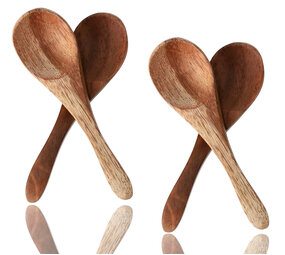
This set of 4 small wooden spoons ...
This set of 4 small woo...
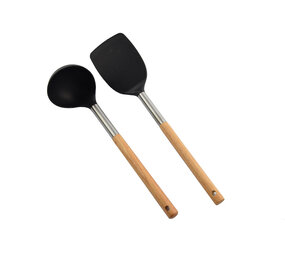
Looking for a soup spoon / pile? Y...
Looking for a soup spoo...
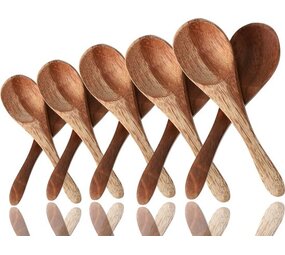
This set of 10 small wooden spoons...
This set of 10 small wo...
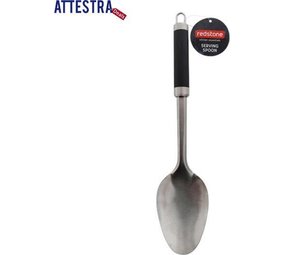
The serving spoon is a practical a...
The serving spoon is a ...
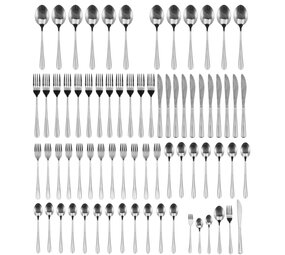
72-piece stainless steel cutlery s...
72-piece stainless stee...
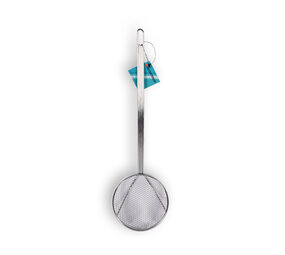
Discover our foam ladles and cooki...
Discover our foam ladle...
- Ordered on working days before 12:00, delivered the next day!
- Buy now, pay later
- Fast delivery in the Netherlands & Belgium
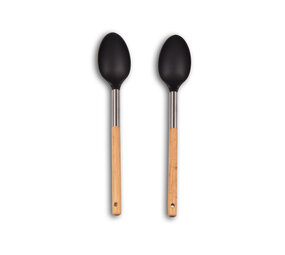
Discover our range of soup spoons ...
Discover our range of s...
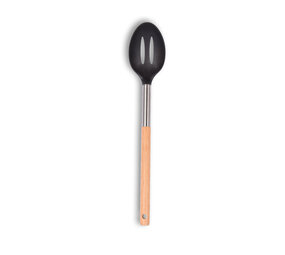
Durable brown/black skimmer, 34 cm...
Durable brown/black ski...
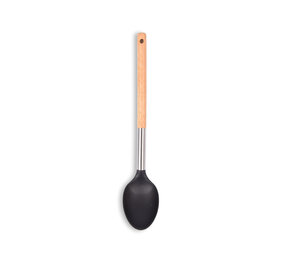
Explore our durable serving spoon ...
Explore our durable ser...
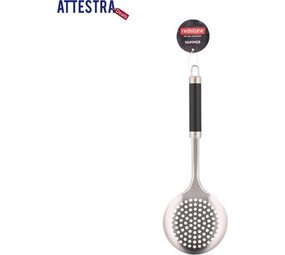
This foam spoon is made of stainle...
This foam spoon is made...
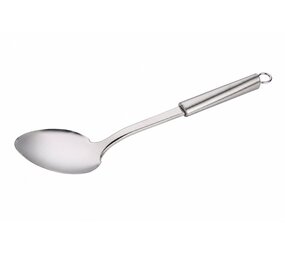
Stainless steel serving spoon 34 c...
Stainless steel serving...
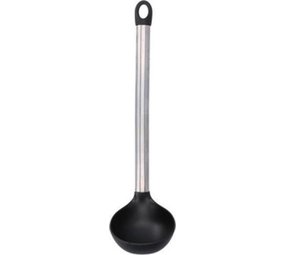
Indispensable for your kitchen, th...
Indispensable for your ...
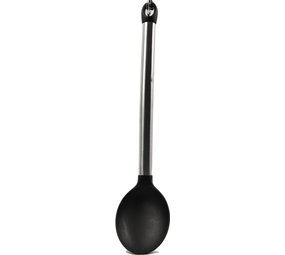
Kitchenware serving spoon 35 stain...
Kitchenware serving spo...
Overige categorieën in Household, Living & Cooking
Spoons for Eating, Coffee, Soup, Cooking and Serving
Spoons for Eating, Cooking, Serving and Coffee
A spoon seems simple until you try using the same one for espresso, soup, a deep serving bowl and a hot saucepan. That is when the differences in length, bowl depth, width and material become noticeable. A coffee spoon needs to fit comfortably inside a small cup, while a serving spoon needs enough reach and capacity to move food from a deep dish.
At Discountershop, you can compare Spoons for different uses at the table and in the kitchen. Rather than choosing by appearance alone, first decide what the spoon needs to do, then match it with suitable Tableware.
Which types of spoons do you actually need?
The name of a spoon gives you a clue about its purpose, but the relationship between handle length, bowl width and bowl depth usually determines how practical it is.
A tablespoon works for soups, yoghurt, rice dishes and other foods where you want to pick up a reasonable amount in one movement. A dessert spoon is generally smaller and is more comfortable for puddings, ice cream and smaller bowls.
Teaspoons and coffee spoons have smaller bowls. When used with Cups & Mugs, handle length matters as much as bowl size: an espresso cup requires something different from a tall mug. At breakfast, Egg Cups are also easier to use with a smaller spoon than with a full-size tablespoon.
In the kitchen, the purpose changes. A serving spoon needs a longer handle and larger bowl, a sauce spoon is designed for more controlled pouring, and a slotted spoon allows liquid or oil to drain through openings in the bowl.
What spoon length should you choose?
The right size depends heavily on the container the spoon needs to reach into. Terms such as small, medium and large therefore do not tell you enough.
As a practical guide:
- around 7–12 cm: mini spoons and coffee spoons for espresso, sugar bowls, jam, honey or condiments;
- around 12–16 cm: teaspoons and smaller dessert spoons;
- around 18–22 cm: many table spoons and eating spoons;
- around 28–35 cm or more: cooking, sauce and serving spoons for deeper pans and serving dishes.
These are general ranges rather than fixed standards. If you already own a spoon that feels comfortable, measure it before buying another one online.
The proportions should also suit your Plates. A long, heavy spoon can feel oversized next to compact breakfast tableware. With Coffee & Tea Accessories, the opposite problem can occur: a handle that is too short may disappear into a tall mug.
Why does the shape of the spoon bowl matter?
A deeper bowl holds more liquid, making it useful for soup and sauces. A shallower, broader bowl can give you better control with thicker or more solid foods.
When serving from Serving Bowls, the bowl should also be large enough to transfer a portion without needing several scoops.
A spoon with a defined pouring edge can be more practical for sauces, but an ordinary household spoon should not automatically be used as a measuring spoon. Tablespoons and teaspoons vary in actual capacity. For recipes where a few millilitres matter, use proper measuring equipment.
At the table, water and other drinks can be kept separately in Carafes, helping keep the serving area more organised.
Stainless steel, wood or plastic: which spoon material works best?
For dining spoons, stainless steel is widely used because it holds its shape well and, where the product allows, can often be cleaned in a dishwasher. Check the product information for steel type, finish and cleaning instructions.
When cooking, the pan surface becomes more important. A metal spoon is durable, but it may not be the best choice for a delicate non-stick coating. A wooden spoon or suitable plastic utensil can be gentler on those surfaces.
That is why Kitchen Utensils often use different materials from table cutlery. If you want several cooking tools in the same material or design, Kitchen Utensil Sets may be more practical than buying everything separately.
For nylon or plastic spoons, always check the stated heat resistance. Do not leave a plastic utensil resting against a very hot pan wall or directly on an active cooking zone.
When should you use a slotted spoon instead of a regular spoon?
A standard serving spoon lifts both food and surrounding liquid. A slotted or perforated spoon allows some of that liquid to drain back through the holes.
That makes it useful for lifting vegetables from cooking water, fried foods from oil or ingredients from broth. For flatter, broader tools with a similar draining function, browse Skimmers & Whisks.
If the task requires a tool that does not fit the traditional spoon shape, Other Kitchen Utensils can provide more suitable options.
Cleaning spoons without stains, odours or warping
The correct cleaning method depends on the material.
Stainless steel spoons: remove salty, acidic or dried-on food before leaving it for long periods. If dishwasher use is permitted, load spoons loosely so water can reach all surfaces. Dry remaining droplets if you want to reduce visible water marks.
Wooden spoons: avoid prolonged soaking. Wash them according to the product instructions and allow them to air-dry completely before putting them away. Extended exposure to moisture and heat can cause wood to swell, become rough or distort.
Plastic or nylon spoons: check whether the product is dishwasher-safe. Deep cuts, melted areas or badly distorted edges are good reasons to replace the utensil.
During food preparation, you may also use Graters, Peelers & Slicers. Keep sharp tools separated from spoons in the dishwasher and storage drawer where practical. The same applies to knives used with Cutting Boards.
How to store long serving spoons and small coffee spoons
Not every spoon belongs in the same cutlery compartment. Sort them first by length and use.
Table spoons and teaspoons usually fit inside a standard cutlery organiser. Long cooking and serving spoons may be better stored in a longer drawer section, a suitable utensil holder or on a hanging rail if the handle has a hanging hole.
Only store wooden spoons once they are fully dry. Avoid forcing long spoons diagonally into a drawer that is too short, as this can jam the drawer and place unnecessary strain on wooden or plastic handles.
A Cheese Slicer does not need to share the same compartment as spoons. The same applies to Potato Mashers, which are usually easier to store separately because of their wider working end.
Using spoons while cooking and serving
A practical kitchen workflow follows the order of the meal: prepare, taste and then serve.
During cooking, a spoon may be used to stir sauce or take a small sample. Use a clean spoon for tasting and do not put a used tasting spoon back into the pan.
At the table, seasonings are better handled with Salt & Pepper Sets than with an ordinary spoon left inside a salt container. For the wider table arrangement, browse Table Accessories.
Where should a spoon go when setting the table?
For a simple meal, only lay out the cutlery that will actually be used. If soup is served as a separate course, the soup spoon traditionally sits to the right of the plate, outside the knife when it is the first utensil required.
A Placemat gives each place setting a clear boundary. A Napkin can sit to the left of the fork or on the plate depending on the arrangement.
For a larger table, a Tablecloth creates one shared surface, while Coasters can keep glasses and drink containers away from the cutlery area.
From preparation to presentation
Not every tool used to move food is a spoon. Small snacks can be presented on a Tiered Serving Stand, while bread, cheese and appetisers can be placed on Serving Boards.
For transferring liquids or dry ingredients into narrow containers, Funnels are more suitable than spoons. Kitchen Timers are useful when timing cooking or resting periods instead of relying entirely on guesswork.
Want to combine spoons with forks, knives or a complete place-setting set?
If you maintain a separate outdoor smoking area, keep it away from food, cutlery and serving utensils. Cigarette Accessories can be viewed separately for that space.
Watch Discountershop on YouTube
Visit the Discountershop YouTube channel for product videos and practical examples covering kitchen, dining and household products.
Frequently Asked Questions About Spoons
Why is a deeper spoon not always better for soup?
A very deep bowl holds more liquid but may also feel oversized in the mouth. For soup, bowl depth, width and rim shape should work together; a serving spoon is intentionally much larger.
Can I use a regular tablespoon to measure recipes?
Not accurately. Household tablespoons vary in size and capacity. If a recipe specifies an exact volume such as 15 ml, use a proper measuring spoon rather than standard table cutlery.
Which spoon works best for a deep jar of jam or honey?
Choose a handle longer than the depth of the jar and a bowl narrow enough to pass through the opening. A spoon that is too wide can jam, while a short handle may disappear inside.
Why does a metal spoon become hot in a saucepan?
Metal conducts heat from hot food or the pan towards the handle. A longer handle keeps your hand further away, but you should still avoid leaving a metal spoon inside a hot pan for long periods.
Can a stainless steel spoon damage a non-stick pan?
It can, depending on the coating and how the spoon is used. Hard metal may scratch a delicate non-stick surface, especially when scraping. Always check the cookware manufacturer’s care instructions.
Why do wooden spoons sometimes become rough or warped?
Wood responds to moisture and temperature. Long soaking, dishwasher heat or uneven drying can raise the grain or distort the handle. Wash and dry wooden spoons according to their specific care instructions.
What is the difference between a slotted spoon and a skimmer?
A slotted spoon usually has a deeper, spoon-shaped bowl with openings. A skimmer is generally flatter and broader. Both drain liquid, but their shapes make them better suited to different foods and pans.
How do you remove coffee or tea stains from small spoons?
Start with warm water and suitable washing-up liquid. Avoid abrasive cleaners on polished or coated finishes. For stubborn staining, follow the cleaning instructions recommended for that specific spoon material.
Where should long serving spoons be stored if they do not fit a cutlery tray?
Use a longer drawer section, a suitable utensil holder or a hanging point if the spoon has a hanging hole. Make sure wooden spoons are fully dry before placing them in enclosed storage.
How do you stop small coffee spoons disappearing underneath other cutlery?
Give them their own narrow compartment or a small insert within the cutlery drawer. This keeps them visible and prevents them from sliding beneath longer tablespoons, knives and forks.
