
 Household, Living & Cooking
 Outdoor, Travel & Sports
 DIY, Garden & Animals
 Fashion accessories & Shoes
 Car & Motor
 Computer & Electronics
 Office & School
 Beautiful & Healthy
 Toys
Toys Eat Drink
 Baby
Baby Christmas
 King's Day


 8
8Decanting for Red, White and Aged Wine
Decanting Wine for Aeration, Sediment and Serving
A wine decanter is used to pour wine carefully from the bottle into a separate vessel. This can help leave sediment behind in older wine or give certain younger wines more contact with air. At Discountershop, you can compare suitable products within Wine Accessories.
For other products used when pouring and serving drinks, browse Drinks & Bar Accessories or explore the wider Cooking & Dining range.
Which wines can you pour into a decanter?
Decanting is not limited to red wine. The reason for using a decanter depends on the wine: some benefit from more air contact, while others are poured carefully to separate sediment.
- Young red wine: Cabernet Sauvignon, Syrah/Shiraz, Malbec and young Bordeaux blends may benefit from extra air contact.
- Aged red wine: Bordeaux, Rioja, Barolo and other mature reds may contain sediment, so careful pouring can help keep it in the bottle.
- Full-bodied white wine: some oaked Chardonnay and richer white blends may be poured into a decanter for additional aeration.
- Orange wine: certain styles can benefit from more air depending on age and structure.
- Vintage port: mature port can develop substantial sediment and is often decanted carefully before serving.
- Rosé: structured rosé can be served from a carafe, although decanting is not usually necessary.
- Sparkling wine: this is less commonly decanted because pouring can reduce carbonation.
Serve the wine in suitable Glasses and add Table Accessories when you need coasters or other serving items.
Choosing a wide or narrow wine decanter
A wide decanter exposes more wine surface to air, which can suit younger, fuller-bodied reds. A narrower model may be more practical when your priority is controlled pouring or careful sediment separation.
Compare:
- Capacity: choose enough room for the full bottle.
- Base: a wider base exposes a larger wine surface to air.
- Neck: make sure filling and cleaning remain practical.
- Grip: the decanter should feel secure while pouring.
- Pouring edge: helps direct wine into the glass.
- Care: check how the inside should be cleaned and dried.
If you also serve other drinks, browse Whiskey Accessories or Cocktail Accessories. For bottles with different closures, see Bottle Openers.
Decanting wine for dinner and tastings
During dinner or a wine tasting, give the decanter enough space between glasses, plates and serving dishes. Browse Tableware for plates and serving pieces, while Water Filters & Drinking Bottles can support water service alongside the wine.
For cheese, bread and other snacks, browse Kitchen Utensils and Kitchen Knives.
For hot dishes, see Pans or the wider All Pans range. For bread, desserts and oven-baked snacks, browse Baking Supplies. If recipes require fixed quantities, Weighing & Measuring can also be useful.
Serving decanted wine at a barbecue
Wine can also be served from a decanter outdoors. Place the carafe on a flat, stable table away from heat, smoke and busy walking areas.
Browse Barbecues for cooking equipment and Barbecue Accessories for grilling tools. If your setup requires a separate starting method, see Ignition Systems.
Buying a wine decanter: choose by wine and purpose
Before buying a decanter, decide what you want it to do. For older wine, controlled pouring and sediment separation matter most. With young wine, a wider shape may provide more air contact.
Check before ordering:
- whether the full bottle fits comfortably;
- whether the shape suits aeration or careful pouring;
- whether the decanter stands securely and pours comfortably;
- how much storage space it requires;
- which cleaning method is recommended.
Shop kitchen and household products
Watch Discountershop on YouTube
Visit the YouTube channel for product videos and examples covering kitchen and household items. These can provide additional information before choosing a decanter or another wine accessory.
Frequently Asked Questions About Decanting
How long can wine stay in a decanter?
A decanter is mainly intended for aeration and serving rather than long-term storage. How long wine remains enjoyable depends on its type and age, so pour only what you expect to serve around the meal.
Should a wine decanter be dry before adding wine?
Preferably, yes. Residual water can dilute the wine slightly and leave droplets inside the carafe. Allow the decanter to drain and dry completely after cleaning before using it again.
What capacity is useful for a 750 ml bottle of wine?
Choose a decanter with more than 750 ml capacity so the entire bottle fits comfortably and there is room for air contact and safe pouring. An overfilled carafe is harder to handle.
Can wine be poured back into the bottle after decanting?
Yes, provided the bottle is clean, but each extra transfer increases air contact. Do this only when necessary and use a clean funnel if it helps avoid spills.
Should a wine decanter be at room temperature?
It does not need to be warm. A very warm decanter can cause chilled wine to heat up more quickly, so use a clean carafe that will not unnecessarily affect the intended serving temperature.
Can natural wine be decanted?
It depends on the specific wine. Some natural wines open with additional air contact, while others can change quickly. Taste a small amount first before deciding whether decanting is appropriate for that bottle.
Why is vintage port often decanted?
Older vintage port can develop significant sediment during bottle ageing. Slow decanting helps separate the clear wine from the deposit so gritty particles are less likely to end up in the glass.
Does a wine decanter need a stopper?
A stopper is not necessary for the decanting process itself. An open carafe allows air contact. A stopper may help keep dust out, but it does not make the decanter suitable for long-term storage.
How do you remove red wine stains from a decanter?
Rinse the decanter promptly with lukewarm water and use a mild cleaner according to the care instructions. Avoid abrasive materials that could scratch the glass, then allow the decanter to dry fully.
Why is the pouring edge important on a wine decanter?
A well-shaped pouring edge helps direct the wine into the glass and can reduce dripping. This is especially useful with a wide or heavier decanter that requires more control while serving.
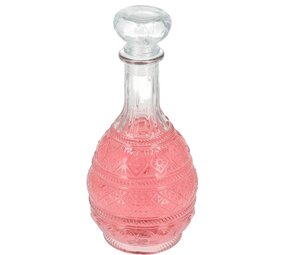
Classic 1-liter whiskey decanter, ...
Classic 1-liter whiskey...
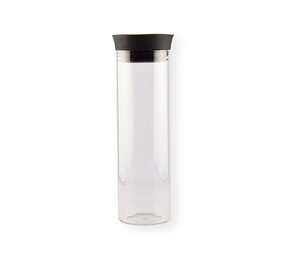
Discover our beautiful glass jug, ...
Discover our beautiful ...
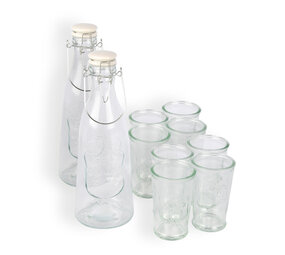
Modern set with two 1 liter glass ...
Modern set with two 1 l...
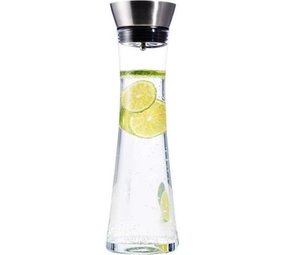
The Hi water carafe has a beautifu...
The Hi water carafe has...
Overige categorieën in Household, Living & Cooking
Decanting for Red, White and Aged Wine
Decanting Wine for Aeration, Sediment and Serving
A wine decanter is used to pour wine carefully from the bottle into a separate vessel. This can help leave sediment behind in older wine or give certain younger wines more contact with air. At Discountershop, you can compare suitable products within Wine Accessories.
For other products used when pouring and serving drinks, browse Drinks & Bar Accessories or explore the wider Cooking & Dining range.
Which wines can you pour into a decanter?
Decanting is not limited to red wine. The reason for using a decanter depends on the wine: some benefit from more air contact, while others are poured carefully to separate sediment.
- Young red wine: Cabernet Sauvignon, Syrah/Shiraz, Malbec and young Bordeaux blends may benefit from extra air contact.
- Aged red wine: Bordeaux, Rioja, Barolo and other mature reds may contain sediment, so careful pouring can help keep it in the bottle.
- Full-bodied white wine: some oaked Chardonnay and richer white blends may be poured into a decanter for additional aeration.
- Orange wine: certain styles can benefit from more air depending on age and structure.
- Vintage port: mature port can develop substantial sediment and is often decanted carefully before serving.
- Rosé: structured rosé can be served from a carafe, although decanting is not usually necessary.
- Sparkling wine: this is less commonly decanted because pouring can reduce carbonation.
Serve the wine in suitable Glasses and add Table Accessories when you need coasters or other serving items.
Choosing a wide or narrow wine decanter
A wide decanter exposes more wine surface to air, which can suit younger, fuller-bodied reds. A narrower model may be more practical when your priority is controlled pouring or careful sediment separation.
Compare:
- Capacity: choose enough room for the full bottle.
- Base: a wider base exposes a larger wine surface to air.
- Neck: make sure filling and cleaning remain practical.
- Grip: the decanter should feel secure while pouring.
- Pouring edge: helps direct wine into the glass.
- Care: check how the inside should be cleaned and dried.
If you also serve other drinks, browse Whiskey Accessories or Cocktail Accessories. For bottles with different closures, see Bottle Openers.
Decanting wine for dinner and tastings
During dinner or a wine tasting, give the decanter enough space between glasses, plates and serving dishes. Browse Tableware for plates and serving pieces, while Water Filters & Drinking Bottles can support water service alongside the wine.
For cheese, bread and other snacks, browse Kitchen Utensils and Kitchen Knives.
For hot dishes, see Pans or the wider All Pans range. For bread, desserts and oven-baked snacks, browse Baking Supplies. If recipes require fixed quantities, Weighing & Measuring can also be useful.
Serving decanted wine at a barbecue
Wine can also be served from a decanter outdoors. Place the carafe on a flat, stable table away from heat, smoke and busy walking areas.
Browse Barbecues for cooking equipment and Barbecue Accessories for grilling tools. If your setup requires a separate starting method, see Ignition Systems.
Buying a wine decanter: choose by wine and purpose
Before buying a decanter, decide what you want it to do. For older wine, controlled pouring and sediment separation matter most. With young wine, a wider shape may provide more air contact.
Check before ordering:
- whether the full bottle fits comfortably;
- whether the shape suits aeration or careful pouring;
- whether the decanter stands securely and pours comfortably;
- how much storage space it requires;
- which cleaning method is recommended.
Shop kitchen and household products
Watch Discountershop on YouTube
Visit the YouTube channel for product videos and examples covering kitchen and household items. These can provide additional information before choosing a decanter or another wine accessory.
Frequently Asked Questions About Decanting
How long can wine stay in a decanter?
A decanter is mainly intended for aeration and serving rather than long-term storage. How long wine remains enjoyable depends on its type and age, so pour only what you expect to serve around the meal.
Should a wine decanter be dry before adding wine?
Preferably, yes. Residual water can dilute the wine slightly and leave droplets inside the carafe. Allow the decanter to drain and dry completely after cleaning before using it again.
What capacity is useful for a 750 ml bottle of wine?
Choose a decanter with more than 750 ml capacity so the entire bottle fits comfortably and there is room for air contact and safe pouring. An overfilled carafe is harder to handle.
Can wine be poured back into the bottle after decanting?
Yes, provided the bottle is clean, but each extra transfer increases air contact. Do this only when necessary and use a clean funnel if it helps avoid spills.
Should a wine decanter be at room temperature?
It does not need to be warm. A very warm decanter can cause chilled wine to heat up more quickly, so use a clean carafe that will not unnecessarily affect the intended serving temperature.
Can natural wine be decanted?
It depends on the specific wine. Some natural wines open with additional air contact, while others can change quickly. Taste a small amount first before deciding whether decanting is appropriate for that bottle.
Why is vintage port often decanted?
Older vintage port can develop significant sediment during bottle ageing. Slow decanting helps separate the clear wine from the deposit so gritty particles are less likely to end up in the glass.
Does a wine decanter need a stopper?
A stopper is not necessary for the decanting process itself. An open carafe allows air contact. A stopper may help keep dust out, but it does not make the decanter suitable for long-term storage.
How do you remove red wine stains from a decanter?
Rinse the decanter promptly with lukewarm water and use a mild cleaner according to the care instructions. Avoid abrasive materials that could scratch the glass, then allow the decanter to dry fully.
Why is the pouring edge important on a wine decanter?
A well-shaped pouring edge helps direct the wine into the glass and can reduce dripping. This is especially useful with a wide or heavier decanter that requires more control while serving.
