
 Household, Living & Cooking
 Outdoor, Travel & Sports
 DIY, Garden & Animals
 Fashion accessories & Shoes
 Car & Motor
 Computer & Electronics
 Office & School
 Beautiful & Healthy
 Toys
Toys Eat Drink
 Baby
Baby Christmas
 King's Day


 8
8Cooking Essentials for Preparing, Draining, Sieving and Pressing
Cooking Essentials for Preparing, Draining, Sieving and Pressing
A meal often starts long before a pan reaches the hob. Rice may need rinsing, vegetables need washing, pasta has to be drained safely later, and garlic may need to be broken down finely enough to spread through a sauce or marinade. These small preparation steps are exactly where purpose-built kitchen tools make a difference.
At Discountershop, Cooking Essentials focus on separating, draining, sieving and pressing. That keeps the category more specific than Kitchen Utensils, which includes broader tools for stirring, mashing, slicing and other cooking tasks.
Choose the tool according to what needs to happen to the ingredient
The best kitchen tool is not automatically the largest or heaviest one. Start by looking at the job.
If water needs to drain quickly while pasta or potatoes stay behind, you need enough capacity and relatively large drainage holes. If you want to sift flour or remove fine particles from stock, a finer mesh is more useful. With garlic, the important factors are leverage, perforation size and how much can be pressed at once.
A practical preparation sequence often looks like this:
- wash and rinse fresh ingredients;
- slice, peel or grate where needed;
- weigh or measure according to the recipe;
- press, strain or drain;
- cook and monitor time;
- finish and serve.
Thinking in steps helps prevent your drawers filling with tools that do the same job while another useful function is missing.
Colanders and sieves: the opening determines what stays behind
The main difference between a colander and a kitchen sieve is the size and structure of the openings. A colander lets large quantities of water escape quickly. A fine-mesh sieve catches much smaller particles and usually drains more slowly.
That is why cooked pasta needs something different from rice, flour or a smooth stock. When choosing size, consider both the pan and the sink. A colander should hold the full portion without pasta or potatoes sitting above the rim.
Two side handles can be useful with heavier quantities. A smaller sieve with a long handle gives more control above a mixing bowl, saucepan or measuring jug.
When draining hot cooking water, keep your hands and face away from rising steam and pour away from your body. With plastic models, always check whether the material is suitable for the expected temperature.
Pressing garlic and chopping garlic produce different results
A Garlic Press forces a clove through small holes, producing a much finer texture than rough chopping.
That makes a garlic press practical for dressings, marinades, garlic butter and sauces where you want garlic distributed evenly. Chopping remains useful when you want visible pieces or more control over the final texture.
For manual cutting, a stable Cutting Board is important. Choose the tool according to the texture you need rather than trying to force every ingredient through a press.
Clean a garlic press soon after use where possible. Garlic fibres that dry inside the perforations are much harder to remove later.
Peeling, grating and preparing ingredients before cooking
Not every ingredient needs to be pressed or strained. For carrots, cucumber, citrus, cheese and similar foods, Graters, Peelers & Slicers can produce the required shape much more accurately.
If your preparation task does not fit an obvious product group, Other Kitchen Utensils can provide additional options.
If you prefer several cooking tools in one coordinated set, browse Kitchen Utensil Sets. Focus on the tools you will actually use rather than assuming the largest set is automatically the most practical.
When should liquid drain away during cooking?
Sometimes you need to drain all the liquid. At other times, only excess water or oil needs to escape while the food stays in the utensil.
For vegetables lifted from cooking water or ingredients removed from hot liquid, a perforated utensil may be more practical than a full-size sieve. Skimmers & Whisks include tools that allow liquid to run back into the pan during lifting.
A Funnel performs a completely different task. Instead of separating ingredients, it directs liquids or dry ingredients through a smaller opening. Keeping these functions distinct makes the cooking workflow easier to organise.
Measure first, then mix or cook
Food preparation becomes more consistent when quantities are known before cooking begins. Within Weighing & Measuring, the main distinction is between weight and volume.
A Kitchen Scale is useful when a recipe specifies grams, especially for ingredients where the same volume can have a different weight depending on how densely it is packed.
Measuring Jugs measure liquids and other ingredients by volume. Place the jug on a level surface and read the scale at approximately eye level for better consistency.
Once ingredients are in the pan, a Kitchen Timer helps you monitor cooking, resting or baking time without repeatedly checking the clock.
The right kitchen knife prevents one knife doing every job
Kitchen Knives belong to a different preparation stage from pressing or sieving. They determine how large, thin or coarse ingredients are before cooking.
A Chef's Knife handles a wide range of everyday chopping and slicing. A Santoku Knife is also used for vegetables, meat and general food preparation but has a different blade shape.
For small, precise peeling and trimming tasks, a Paring Knife can be more practical. A Cleaver has a heavier design for different chopping tasks.
A serrated Bread Knife helps cut bread without unnecessarily compressing the crumb. For preparing and portioning meat, Meat Knives provide more specific options.
At the table, Steak Knives serve a different purpose from preparation knives used in the kitchen.
If you need several blade types, compare Knife Sets. For storage and maintenance, Kitchen Knife Accessories can help keep knives organised and protected.
After cooking, the required tools change again
Once ingredients are cooked, a different set of kitchen tools may become useful. For potatoes that need to be turned into mash, use a Potato Masher rather than a small press intended for garlic or other compact ingredients.
A Cheese Slicer produces even slices and therefore serves a very different purpose from grating or pressing.
At the end of preparation, dishes can be seasoned at the table with Salt & Pepper Sets. This keeps food preparation in the kitchen separate from final seasoning during serving.
Cleaning and storing cooking essentials
Rinse fine-mesh sieves and garlic presses soon after use. Small perforations easily trap starch, garlic fibres and other food particles once they have dried.
Do not push hard objects through fine mesh because this can deform or tear it. Always check whether the specific product is dishwasher-safe before putting it into the machine.
Allow colanders and sieves to dry completely before nesting them together. Stacking can save considerable cupboard space, but moisture trapped between items will dry more slowly.
Garlic presses can be stored open or closed depending on the design, provided no food residue remains and the hinge is not placed under unnecessary pressure. Avoid storing heavy pans on top of fine-mesh sieves because the mesh can become distorted.
Watch Discountershop on YouTube
Visit the Discountershop YouTube channel for product videos and practical examples covering cooking tools, kitchen utensils and other products used during food preparation.
Frequently Asked Questions About Cooking Essentials
Why should a colander be large enough for the entire contents of the pan?
If pasta or potatoes sit above the rim, ingredients can fall into the sink while draining. Extra capacity also makes shaking and draining easier without having to balance an overloaded colander.
How can you reduce the risk of steam burns when draining food?
Place the colander securely, keep your face and hands out of the steam path and pour slowly away from your body. Use suitable hand protection when saucepan handles or metal parts have become hot.
Why should a fine-mesh sieve be completely dry before storage?
Tiny droplets can remain trapped inside the mesh. When several sieves are stacked while damp, moisture takes longer to evaporate and can leave water or mineral marks on the material.
When is weighing more accurate than using a measuring jug?
With dry ingredients such as flour, volume can change depending on how tightly the ingredient is packed. Measuring in grams with a scale usually gives a more consistent starting point for recipes.
Why can a garlic press still smell of garlic after washing?
Small fibres can remain inside perforations, seams and around the hinge. Rinse the press shortly after use, open moving sections fully and check carefully for trapped residue before allowing it to dry.
Why should you not use a garlic press for every hard ingredient?
The hinge, handles and perforated plate are designed for certain food textures and quantities. Very hard or oversized ingredients can require excessive force and may damage the press over time.
How can you reduce cross-contamination during food preparation?
Keep tools used with raw meat or fish separate from utensils used for vegetables or ready-to-eat foods. Thoroughly clean the worktop, cutting board and tools before moving to another food group.
When should a kitchen sieve be replaced?
Replace it if the mesh starts separating, sharp wires appear, the rim becomes badly distorted or the handle loosens. Damaged mesh may let unwanted particles through and can also be harder to clean safely.
How should cooking essentials be organised in a small kitchen?
Store tools according to function and frequency of use. Nest dry colanders and sieves when suitable, give small presses their own drawer space and keep frequently used preparation tools close to the work area.
Why is one kitchen tool rarely suitable for every preparation task?
Washing, cutting, sieving, pressing and measuring all require different shapes and materials. A dedicated tool usually gives better control and prevents compromises, such as trying to rinse rice in a colander with openings that are too large.
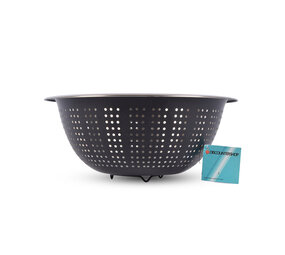
Enjoy the benefits of our black st...
Enjoy the benefits of o...
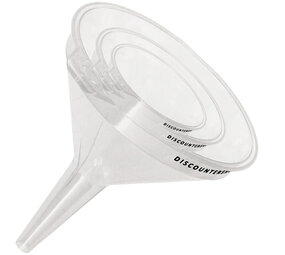
Transparent plastic funnel set in ...
Transparent plastic fun...
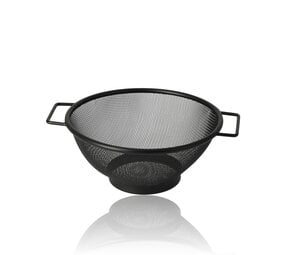
Fine-mesh black stainless steel ki...
Fine-mesh black stainle...
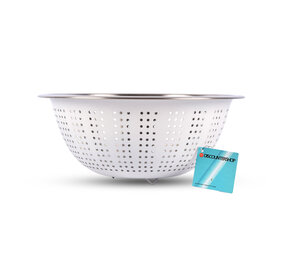
This multifunctional kitchen tool ...
This multifunctional ki...
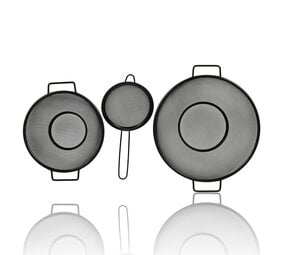
Three-piece black stainless steel ...
Three-piece black stain...
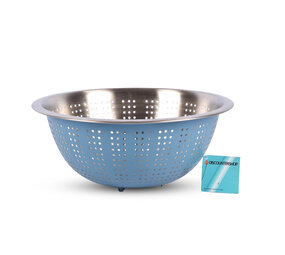
Blue aluminium kitchen colander me...
Blue aluminium kitchen ...
- Ordered on working days before 12:00, delivered the next day!
- Buy now, pay later
- Fast delivery in the Netherlands & Belgium
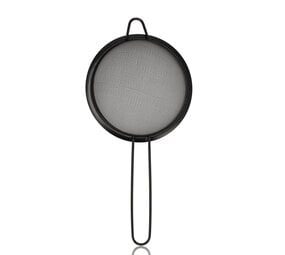
Small fine-mesh black stainless st...
Small fine-mesh black s...
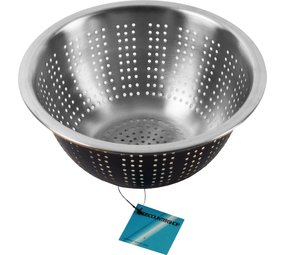
Draining your pans becomes a lot e...
Draining your pans beco...
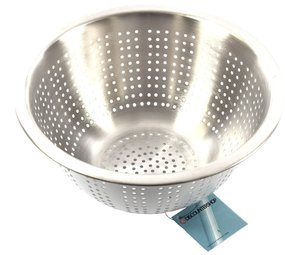
Draining your pans becomes a lot e...
Draining your pans beco...
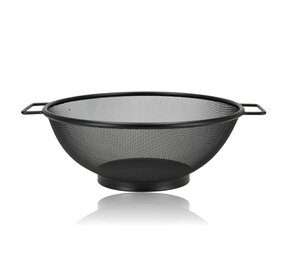
Large fine-mesh black stainless st...
Large fine-mesh black s...
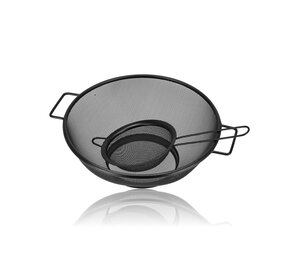
Stainless steel colander and strai...
Stainless steel colande...
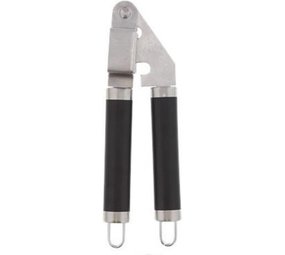
With this handy press you can pres...
With this handy press y...
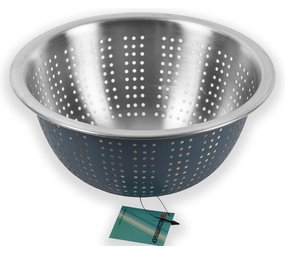
Draining your pans becomes a lot e...
Draining your pans beco...
Overige categorieën in Household, Living & Cooking
Cooking Essentials for Preparing, Draining, Sieving and Pressing
Cooking Essentials for Preparing, Draining, Sieving and Pressing
A meal often starts long before a pan reaches the hob. Rice may need rinsing, vegetables need washing, pasta has to be drained safely later, and garlic may need to be broken down finely enough to spread through a sauce or marinade. These small preparation steps are exactly where purpose-built kitchen tools make a difference.
At Discountershop, Cooking Essentials focus on separating, draining, sieving and pressing. That keeps the category more specific than Kitchen Utensils, which includes broader tools for stirring, mashing, slicing and other cooking tasks.
Choose the tool according to what needs to happen to the ingredient
The best kitchen tool is not automatically the largest or heaviest one. Start by looking at the job.
If water needs to drain quickly while pasta or potatoes stay behind, you need enough capacity and relatively large drainage holes. If you want to sift flour or remove fine particles from stock, a finer mesh is more useful. With garlic, the important factors are leverage, perforation size and how much can be pressed at once.
A practical preparation sequence often looks like this:
- wash and rinse fresh ingredients;
- slice, peel or grate where needed;
- weigh or measure according to the recipe;
- press, strain or drain;
- cook and monitor time;
- finish and serve.
Thinking in steps helps prevent your drawers filling with tools that do the same job while another useful function is missing.
Colanders and sieves: the opening determines what stays behind
The main difference between a colander and a kitchen sieve is the size and structure of the openings. A colander lets large quantities of water escape quickly. A fine-mesh sieve catches much smaller particles and usually drains more slowly.
That is why cooked pasta needs something different from rice, flour or a smooth stock. When choosing size, consider both the pan and the sink. A colander should hold the full portion without pasta or potatoes sitting above the rim.
Two side handles can be useful with heavier quantities. A smaller sieve with a long handle gives more control above a mixing bowl, saucepan or measuring jug.
When draining hot cooking water, keep your hands and face away from rising steam and pour away from your body. With plastic models, always check whether the material is suitable for the expected temperature.
Pressing garlic and chopping garlic produce different results
A Garlic Press forces a clove through small holes, producing a much finer texture than rough chopping.
That makes a garlic press practical for dressings, marinades, garlic butter and sauces where you want garlic distributed evenly. Chopping remains useful when you want visible pieces or more control over the final texture.
For manual cutting, a stable Cutting Board is important. Choose the tool according to the texture you need rather than trying to force every ingredient through a press.
Clean a garlic press soon after use where possible. Garlic fibres that dry inside the perforations are much harder to remove later.
Peeling, grating and preparing ingredients before cooking
Not every ingredient needs to be pressed or strained. For carrots, cucumber, citrus, cheese and similar foods, Graters, Peelers & Slicers can produce the required shape much more accurately.
If your preparation task does not fit an obvious product group, Other Kitchen Utensils can provide additional options.
If you prefer several cooking tools in one coordinated set, browse Kitchen Utensil Sets. Focus on the tools you will actually use rather than assuming the largest set is automatically the most practical.
When should liquid drain away during cooking?
Sometimes you need to drain all the liquid. At other times, only excess water or oil needs to escape while the food stays in the utensil.
For vegetables lifted from cooking water or ingredients removed from hot liquid, a perforated utensil may be more practical than a full-size sieve. Skimmers & Whisks include tools that allow liquid to run back into the pan during lifting.
A Funnel performs a completely different task. Instead of separating ingredients, it directs liquids or dry ingredients through a smaller opening. Keeping these functions distinct makes the cooking workflow easier to organise.
Measure first, then mix or cook
Food preparation becomes more consistent when quantities are known before cooking begins. Within Weighing & Measuring, the main distinction is between weight and volume.
A Kitchen Scale is useful when a recipe specifies grams, especially for ingredients where the same volume can have a different weight depending on how densely it is packed.
Measuring Jugs measure liquids and other ingredients by volume. Place the jug on a level surface and read the scale at approximately eye level for better consistency.
Once ingredients are in the pan, a Kitchen Timer helps you monitor cooking, resting or baking time without repeatedly checking the clock.
The right kitchen knife prevents one knife doing every job
Kitchen Knives belong to a different preparation stage from pressing or sieving. They determine how large, thin or coarse ingredients are before cooking.
A Chef's Knife handles a wide range of everyday chopping and slicing. A Santoku Knife is also used for vegetables, meat and general food preparation but has a different blade shape.
For small, precise peeling and trimming tasks, a Paring Knife can be more practical. A Cleaver has a heavier design for different chopping tasks.
A serrated Bread Knife helps cut bread without unnecessarily compressing the crumb. For preparing and portioning meat, Meat Knives provide more specific options.
At the table, Steak Knives serve a different purpose from preparation knives used in the kitchen.
If you need several blade types, compare Knife Sets. For storage and maintenance, Kitchen Knife Accessories can help keep knives organised and protected.
After cooking, the required tools change again
Once ingredients are cooked, a different set of kitchen tools may become useful. For potatoes that need to be turned into mash, use a Potato Masher rather than a small press intended for garlic or other compact ingredients.
A Cheese Slicer produces even slices and therefore serves a very different purpose from grating or pressing.
At the end of preparation, dishes can be seasoned at the table with Salt & Pepper Sets. This keeps food preparation in the kitchen separate from final seasoning during serving.
Cleaning and storing cooking essentials
Rinse fine-mesh sieves and garlic presses soon after use. Small perforations easily trap starch, garlic fibres and other food particles once they have dried.
Do not push hard objects through fine mesh because this can deform or tear it. Always check whether the specific product is dishwasher-safe before putting it into the machine.
Allow colanders and sieves to dry completely before nesting them together. Stacking can save considerable cupboard space, but moisture trapped between items will dry more slowly.
Garlic presses can be stored open or closed depending on the design, provided no food residue remains and the hinge is not placed under unnecessary pressure. Avoid storing heavy pans on top of fine-mesh sieves because the mesh can become distorted.
Watch Discountershop on YouTube
Visit the Discountershop YouTube channel for product videos and practical examples covering cooking tools, kitchen utensils and other products used during food preparation.
Frequently Asked Questions About Cooking Essentials
Why should a colander be large enough for the entire contents of the pan?
If pasta or potatoes sit above the rim, ingredients can fall into the sink while draining. Extra capacity also makes shaking and draining easier without having to balance an overloaded colander.
How can you reduce the risk of steam burns when draining food?
Place the colander securely, keep your face and hands out of the steam path and pour slowly away from your body. Use suitable hand protection when saucepan handles or metal parts have become hot.
Why should a fine-mesh sieve be completely dry before storage?
Tiny droplets can remain trapped inside the mesh. When several sieves are stacked while damp, moisture takes longer to evaporate and can leave water or mineral marks on the material.
When is weighing more accurate than using a measuring jug?
With dry ingredients such as flour, volume can change depending on how tightly the ingredient is packed. Measuring in grams with a scale usually gives a more consistent starting point for recipes.
Why can a garlic press still smell of garlic after washing?
Small fibres can remain inside perforations, seams and around the hinge. Rinse the press shortly after use, open moving sections fully and check carefully for trapped residue before allowing it to dry.
Why should you not use a garlic press for every hard ingredient?
The hinge, handles and perforated plate are designed for certain food textures and quantities. Very hard or oversized ingredients can require excessive force and may damage the press over time.
How can you reduce cross-contamination during food preparation?
Keep tools used with raw meat or fish separate from utensils used for vegetables or ready-to-eat foods. Thoroughly clean the worktop, cutting board and tools before moving to another food group.
When should a kitchen sieve be replaced?
Replace it if the mesh starts separating, sharp wires appear, the rim becomes badly distorted or the handle loosens. Damaged mesh may let unwanted particles through and can also be harder to clean safely.
How should cooking essentials be organised in a small kitchen?
Store tools according to function and frequency of use. Nest dry colanders and sieves when suitable, give small presses their own drawer space and keep frequently used preparation tools close to the work area.
Why is one kitchen tool rarely suitable for every preparation task?
Washing, cutting, sieving, pressing and measuring all require different shapes and materials. A dedicated tool usually gives better control and prevents compromises, such as trying to rinse rice in a colander with openings that are too large.
