 Household, Living & Cooking
 Outdoor, Travel & Sports
 DIY, Garden & Animals
 Fashion accessories & Shoes
 Car & Motor
 Computer & Electronics
 Office & School
 Beautiful & Healthy
 Toys
Toys Eat Drink
 Baby
Baby Christmas
 King's Day


 8
8Breakfast plates for bread, fruit, pastries and lunch
Buy breakfast plates for breakfast and lunch
A breakfast plate is smaller than a standard dinner plate and provides sufficient room for bread, toast, croissants, fruit, pastries or a light lunch. At Discountershop, you can find ceramic breakfast plates in colours such as black and cream that can also be used as cake or dessert plates. When buying breakfast plates, compare the diameter, usable eating area, rim height, weight and number of pieces. Also check whether the product information permits dishwasher and microwave use.
What can you use a breakfast plate for?
A breakfast plate is not used exclusively for the first meal of the day. Its compact dimensions make it suitable for various smaller dishes and meals. A plate measuring around 20 centimetres requires less table space than a dinner plate but generally provides enough room for a modest portion.
Breakfast plates can be used for:
sandwiches, toast and bread rolls;
croissants, pancakes and waffles;
fruit and small breakfast dishes;
cake, pastries or biscuits with coffee and tea;
a salad or sandwich at lunch;
cheese, ice cream or another dessert;
appetisers during brunch or at a buffet;
a small evening portion or side dish.
The terms breakfast plate, lunch plate, dessert plate, cake plate and side plate are often used for similar sizes. Focus on the diameter, rim and usable area rather than only the product name. The same plate can serve several purposes when its shape suits the food.
What size breakfast plate do you need?
Many breakfast plates measure approximately 20 to 22 centimetres in diameter. A plate of around 20 centimetres will often hold one or two slices of bread, a croissant with fruit or a piece of cake. The ideal size depends on the portions you usually serve.
The external measurements do not tell the whole story. A plate with a broad rim may have less room for food than a slightly smaller plate with a narrow edge.
Where possible, check:
the total diameter;
the width of the rim;
the height of a raised edge;
the flat eating area;
the weight of each plate;
the height of a complete stack;
the dimensions of your cupboard and dishwasher.
You can measure a plate you already find comfortable to use. This makes product measurements easier to assess and helps prevent buying breakfast plates that are too large or too small.
Preparing and portioning breakfast
A practical breakfast begins with preparation. Use suitable kitchen utensils to cut fruit, prepare sandwiches, turn pancakes or place small portions on the plate. Use clean tools for each ingredient and do not use the same unwashed utensil for raw and cooked food.
Place hot food on the breakfast plate only when the material is suitable. Do not put the plate directly on a hot hob and avoid sudden temperature changes. Depending on the material and care instructions, transferring a cold ceramic plate directly to intense heat could damage it.
Ceramic breakfast plates
Ceramic is a broad term for products made from fired clay. Ceramic breakfast plates can vary in thickness, weight, glaze and finish. A heavier plate may remain stable while food is spread or cut, but a complete stack will also be heavier to lift.
For each product, check:
whether the plates are supplied individually or as a set;
how many plates the package contains;
whether the item is dishwasher-safe;
whether microwave use is permitted;
which cleaning products are suitable;
whether small colour or glaze variations may occur;
whether the rim is flat or slightly raised.
Do not automatically assume that every ceramic breakfast plate is suitable for an oven or microwave. Follow the specifications of the individual product.
Flat plates or raised rims?
A flat breakfast plate provides plenty of usable space for bread, toast and pastries. A slightly raised rim helps contain crumbs, fruit, sauce or syrup. This can be useful when serving pancakes, French toast or a lunch dish with dressing.
A higher or broader rim may reduce the eating area. Consider what you most frequently serve:
A relatively flat plate works well for bread and croissants.
A raised edge may help contain fruit and juice.
A bowl is more suitable than a flat plate for yoghurt or cereal.
A low rim can be useful for pancakes with syrup or sauce.
Cake and pastries require enough flat space for a cake fork.
Which cutlery should you use at breakfast?
Suitable cutlery helps you match the place setting to the food. A table knife and fork are often sufficient for bread. A smaller fork may work well for fruit, pastries or pancakes. Yoghurt, soft fruit and certain desserts generally require a spoon.
For a straightforward breakfast, place the fork to the left and the knife to the right of the plate, with the cutting edge facing inwards. At an informal meal, the cutlery can also be placed together on a napkin. The priority is to retain sufficient space around the plate.
Black and cream breakfast plates
The colour of a plate affects its contrast with the food. A cream breakfast plate forms a neutral background for bread, fruit, eggs and pastries. A black plate can provide stronger contrast with light bread, yoghurt dishes, icing sugar and colourful fruit.
Limescale and light cutlery marks may be more noticeable on dark plates. Certain food stains may stand out more on lighter surfaces. Follow the care instructions for both colours and dry the plates if water residue remains after washing.
Black or cream breakfast plates can be combined with:
mugs in a similar or contrasting colour;
transparent or coloured glassware;
wooden or metal cutlery;
napkins that repeat one of the table colours;
placemats that clearly define each place setting.
Arranging the breakfast table
Use table accessories such as placemats, napkins, tablecloths and coasters to define each seat and protect the tabletop. Position the breakfast plate in the centre and leave enough room for a mug, glass, small bowl and cutlery.
A clear breakfast place setting can include:
the breakfast plate in front of the seat;
a fork on the left and a knife on the right;
a napkin beside or underneath the cutlery;
a glass above and to the right;
a cup or mug within easy reach;
bread and serving dishes in the centre.
Place hot pots, pans and serving dishes on suitable trivets rather than directly beside the edge of a plate.
Glasses for juice and water
Place suitable glasses above and to the right of the breakfast plate. A smaller glass may suit juice, while a larger water or long drink glass can work well at an extended brunch. Maintain sufficient space between cold glassware and hot coffee or tea to reduce accidental contact.
Make sure guests can pick up their glasses without reaching across bread baskets, warm serving dishes or other place settings. At a small table, one glass per person may be more practical than several types of glassware.
Using breakfast plates at brunch
Brunch combines breakfast and lunch. The same breakfast plates can be used for bread rolls, fruit, pastries, salads or small hot dishes. Distribute the food across several serving dishes and provide separate serving utensils so guests do not use personal cutlery in shared bowls.
If you are serving juice, cocktails or other brunch drinks, supplement the table with drinks and bar accessories. Place drink-related items away from hot food to keep the table easy to navigate.
How many breakfast plates do you need?
Allow at least one breakfast plate per person. For a household of four, six to eight plates can be practical when you receive guests, serve several meals or do not want to wash up immediately. A brunch may require additional plates if savoury and sweet courses are served separately.
Always check how many plates are included in a set. A breakfast dinnerware set may contain bowls, cups and mugs as well as plates. Review the exact package contents before ordering.
Cleaning and storing breakfast plates
Position dishwasher-safe breakfast plates so their rims do not touch during the programme. For hand washing, use a soft sponge and a cleaning product suited to the glaze. Hard scouring pads may damage the surface.
Grey lines are sometimes metal deposits from knives or forks rather than actual scratches. Use only a cleaning method that is safe according to the product information.
For storage:
allow the plates to dry completely;
place them on a level shelf;
position heavier plates at the bottom;
avoid unnecessarily high stacks;
use soft protection between surfaces that scratch easily;
inspect the rims regularly for cracks or missing pieces;
stop using a damaged plate when safe food contact is no longer possible.
Watch breakfast and table-setting tips on our YouTube channel
Would you like to view product information, usage tips or practical examples? Visit the Discountershop YouTube channel. Watch the videos and then select the breakfast plates, kitchen items and table products that suit your breakfast, lunch or brunch.
Frequently asked questions about breakfast plates
What is the standard size of a breakfast plate?
A breakfast plate often has a diameter of approximately 20 to 22 centimetres. The right size depends on your portions and the width of the rim. Also check the usable eating area.
What is the difference between a breakfast plate and a dinner plate?
A breakfast plate is smaller and intended for bread, fruit, pastries or a light meal. A dinner plate is usually approximately 26 to 28 centimetres wide and provides more room for a main course.
Can a breakfast plate also be used as a lunch plate?
Yes. A breakfast plate can suit sandwiches, salads, fruit or a small hot lunch. A dinner plate may be more practical for a large meal containing several components.
When is a breakfast plate with a raised rim useful?
A raised rim helps keep crumbs, fruit, syrup and sauce on the plate. This may be useful for pancakes or French toast. Check how much eating space remains inside the rim.
Which breakfast plate colour is suitable for daily use?
Black and cream can both be used daily. Cream coordinates easily with other dinnerware, while black makes light and colourful ingredients stand out. The best option depends on your existing tableware and care preferences.
Can ceramic breakfast plates go in the microwave?
Only when the product specifications permit this. Metallic decoration, certain glazes or existing damage can make microwave use unsafe. Check each product separately.
Can breakfast plates go in the dishwasher?
That depends on the material, glaze and decoration. Use the dishwasher only when the plates are marked as dishwasher-safe. Position them so that their rims do not touch.
How many breakfast plates do I need for four people?
Four is the minimum. Six to eight plates may be more practical if you receive guests, serve several meals or have plates waiting in the dishwasher.
How can I prevent scratches when stacking breakfast plates?
Clean and dry the plates before stacking them. Place a soft protector between sensitive surfaces and do not slide dirty plates across each other.
Is a breakfast plate suitable for hot food?
That depends on the material and usage instructions. Many plates can hold warm food, but avoid extreme temperature changes. Use an oven or microwave only when the product information explicitly permits it.
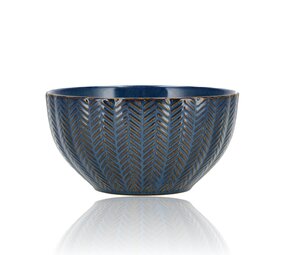
Ramen bowl Ø14 cm and soup bowls ...
Ramen bowl Ø14 cm and ...
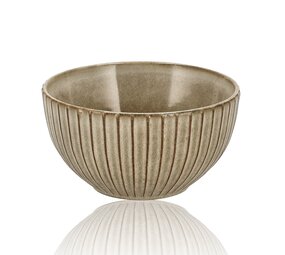
Soup Bowls Without Handle (14 cm) ...
Soup Bowls Without Hand...
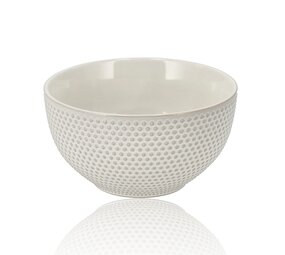
keramische soepkommen van 750 ml b...
keramische soepkommen v...
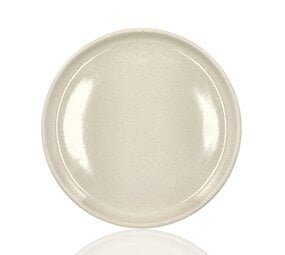
Ceramic breakfast plates Ø20 cm i...
Ceramic breakfast plate...
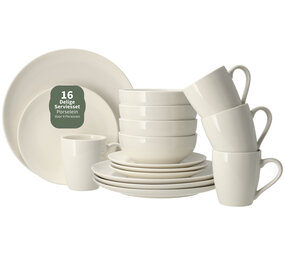
16-piece white porcelain dinnerwar...
16-piece white porcelai...
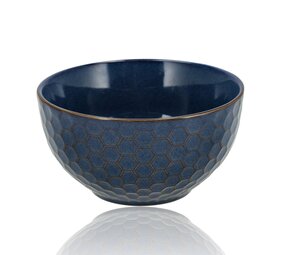
Ramen bowl and soup bowls without ...
Ramen bowl and soup bow...
- Ordered on working days before 12:00, delivered the next day!
- Buy now, pay later
- Fast delivery in the Netherlands & Belgium
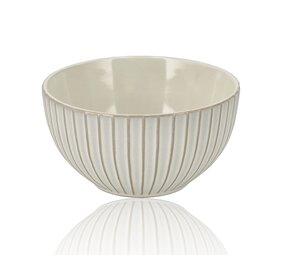
Keramische kommen van 700 ml geven...
Keramische kommen van 7...
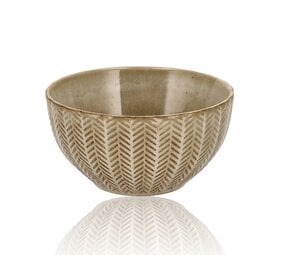
Ramen bowl set soup bowls Ø14 cm ...
Ramen bowl set soup bow...
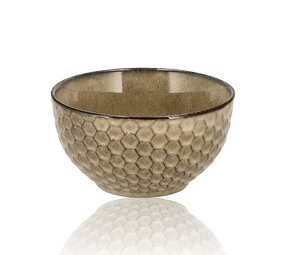
Soup bowls set Ø14 cm stoneware w...
Soup bowls set Ø14 cm ...
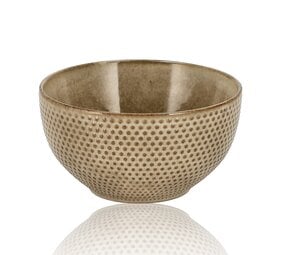
Ramen bowl set Ø14 cm stoneware, ...
Ramen bowl set Ø14 cm ...
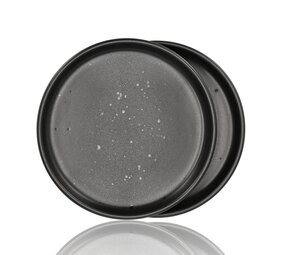
Ceramic breakfast plates black Ø2...
Ceramic breakfast plate...
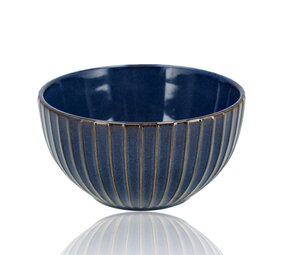
Ramen bowl and soup bowls without ...
Ramen bowl and soup bow...
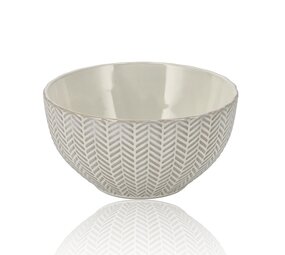
Ramen smaakt extra goed uit deze r...
Ramen smaakt extra goed...
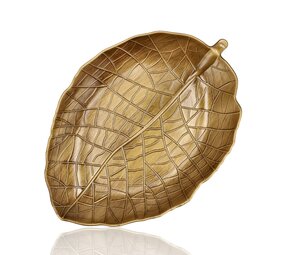
This decorative tray works as a ca...
This decorative tray wo...
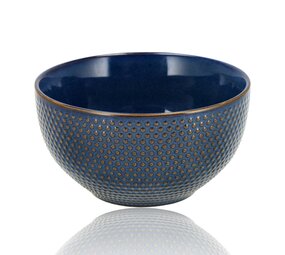
Ramen bowl and soup bowls without ...
Ramen bowl and soup bow...
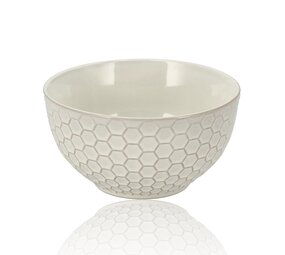
Ceramic ramen bowl and soup bowls ...
Ceramic ramen bowl and ...
Overige categorieën in Household, Living & Cooking
Breakfast plates for bread, fruit, pastries and lunch
Buy breakfast plates for breakfast and lunch
A breakfast plate is smaller than a standard dinner plate and provides sufficient room for bread, toast, croissants, fruit, pastries or a light lunch. At Discountershop, you can find ceramic breakfast plates in colours such as black and cream that can also be used as cake or dessert plates. When buying breakfast plates, compare the diameter, usable eating area, rim height, weight and number of pieces. Also check whether the product information permits dishwasher and microwave use.
What can you use a breakfast plate for?
A breakfast plate is not used exclusively for the first meal of the day. Its compact dimensions make it suitable for various smaller dishes and meals. A plate measuring around 20 centimetres requires less table space than a dinner plate but generally provides enough room for a modest portion.
Breakfast plates can be used for:
sandwiches, toast and bread rolls;
croissants, pancakes and waffles;
fruit and small breakfast dishes;
cake, pastries or biscuits with coffee and tea;
a salad or sandwich at lunch;
cheese, ice cream or another dessert;
appetisers during brunch or at a buffet;
a small evening portion or side dish.
The terms breakfast plate, lunch plate, dessert plate, cake plate and side plate are often used for similar sizes. Focus on the diameter, rim and usable area rather than only the product name. The same plate can serve several purposes when its shape suits the food.
What size breakfast plate do you need?
Many breakfast plates measure approximately 20 to 22 centimetres in diameter. A plate of around 20 centimetres will often hold one or two slices of bread, a croissant with fruit or a piece of cake. The ideal size depends on the portions you usually serve.
The external measurements do not tell the whole story. A plate with a broad rim may have less room for food than a slightly smaller plate with a narrow edge.
Where possible, check:
the total diameter;
the width of the rim;
the height of a raised edge;
the flat eating area;
the weight of each plate;
the height of a complete stack;
the dimensions of your cupboard and dishwasher.
You can measure a plate you already find comfortable to use. This makes product measurements easier to assess and helps prevent buying breakfast plates that are too large or too small.
Preparing and portioning breakfast
A practical breakfast begins with preparation. Use suitable kitchen utensils to cut fruit, prepare sandwiches, turn pancakes or place small portions on the plate. Use clean tools for each ingredient and do not use the same unwashed utensil for raw and cooked food.
Place hot food on the breakfast plate only when the material is suitable. Do not put the plate directly on a hot hob and avoid sudden temperature changes. Depending on the material and care instructions, transferring a cold ceramic plate directly to intense heat could damage it.
Ceramic breakfast plates
Ceramic is a broad term for products made from fired clay. Ceramic breakfast plates can vary in thickness, weight, glaze and finish. A heavier plate may remain stable while food is spread or cut, but a complete stack will also be heavier to lift.
For each product, check:
whether the plates are supplied individually or as a set;
how many plates the package contains;
whether the item is dishwasher-safe;
whether microwave use is permitted;
which cleaning products are suitable;
whether small colour or glaze variations may occur;
whether the rim is flat or slightly raised.
Do not automatically assume that every ceramic breakfast plate is suitable for an oven or microwave. Follow the specifications of the individual product.
Flat plates or raised rims?
A flat breakfast plate provides plenty of usable space for bread, toast and pastries. A slightly raised rim helps contain crumbs, fruit, sauce or syrup. This can be useful when serving pancakes, French toast or a lunch dish with dressing.
A higher or broader rim may reduce the eating area. Consider what you most frequently serve:
A relatively flat plate works well for bread and croissants.
A raised edge may help contain fruit and juice.
A bowl is more suitable than a flat plate for yoghurt or cereal.
A low rim can be useful for pancakes with syrup or sauce.
Cake and pastries require enough flat space for a cake fork.
Which cutlery should you use at breakfast?
Suitable cutlery helps you match the place setting to the food. A table knife and fork are often sufficient for bread. A smaller fork may work well for fruit, pastries or pancakes. Yoghurt, soft fruit and certain desserts generally require a spoon.
For a straightforward breakfast, place the fork to the left and the knife to the right of the plate, with the cutting edge facing inwards. At an informal meal, the cutlery can also be placed together on a napkin. The priority is to retain sufficient space around the plate.
Black and cream breakfast plates
The colour of a plate affects its contrast with the food. A cream breakfast plate forms a neutral background for bread, fruit, eggs and pastries. A black plate can provide stronger contrast with light bread, yoghurt dishes, icing sugar and colourful fruit.
Limescale and light cutlery marks may be more noticeable on dark plates. Certain food stains may stand out more on lighter surfaces. Follow the care instructions for both colours and dry the plates if water residue remains after washing.
Black or cream breakfast plates can be combined with:
mugs in a similar or contrasting colour;
transparent or coloured glassware;
wooden or metal cutlery;
napkins that repeat one of the table colours;
placemats that clearly define each place setting.
Arranging the breakfast table
Use table accessories such as placemats, napkins, tablecloths and coasters to define each seat and protect the tabletop. Position the breakfast plate in the centre and leave enough room for a mug, glass, small bowl and cutlery.
A clear breakfast place setting can include:
the breakfast plate in front of the seat;
a fork on the left and a knife on the right;
a napkin beside or underneath the cutlery;
a glass above and to the right;
a cup or mug within easy reach;
bread and serving dishes in the centre.
Place hot pots, pans and serving dishes on suitable trivets rather than directly beside the edge of a plate.
Glasses for juice and water
Place suitable glasses above and to the right of the breakfast plate. A smaller glass may suit juice, while a larger water or long drink glass can work well at an extended brunch. Maintain sufficient space between cold glassware and hot coffee or tea to reduce accidental contact.
Make sure guests can pick up their glasses without reaching across bread baskets, warm serving dishes or other place settings. At a small table, one glass per person may be more practical than several types of glassware.
Using breakfast plates at brunch
Brunch combines breakfast and lunch. The same breakfast plates can be used for bread rolls, fruit, pastries, salads or small hot dishes. Distribute the food across several serving dishes and provide separate serving utensils so guests do not use personal cutlery in shared bowls.
If you are serving juice, cocktails or other brunch drinks, supplement the table with drinks and bar accessories. Place drink-related items away from hot food to keep the table easy to navigate.
How many breakfast plates do you need?
Allow at least one breakfast plate per person. For a household of four, six to eight plates can be practical when you receive guests, serve several meals or do not want to wash up immediately. A brunch may require additional plates if savoury and sweet courses are served separately.
Always check how many plates are included in a set. A breakfast dinnerware set may contain bowls, cups and mugs as well as plates. Review the exact package contents before ordering.
Cleaning and storing breakfast plates
Position dishwasher-safe breakfast plates so their rims do not touch during the programme. For hand washing, use a soft sponge and a cleaning product suited to the glaze. Hard scouring pads may damage the surface.
Grey lines are sometimes metal deposits from knives or forks rather than actual scratches. Use only a cleaning method that is safe according to the product information.
For storage:
allow the plates to dry completely;
place them on a level shelf;
position heavier plates at the bottom;
avoid unnecessarily high stacks;
use soft protection between surfaces that scratch easily;
inspect the rims regularly for cracks or missing pieces;
stop using a damaged plate when safe food contact is no longer possible.
Watch breakfast and table-setting tips on our YouTube channel
Would you like to view product information, usage tips or practical examples? Visit the Discountershop YouTube channel. Watch the videos and then select the breakfast plates, kitchen items and table products that suit your breakfast, lunch or brunch.
Frequently asked questions about breakfast plates
What is the standard size of a breakfast plate?
A breakfast plate often has a diameter of approximately 20 to 22 centimetres. The right size depends on your portions and the width of the rim. Also check the usable eating area.
What is the difference between a breakfast plate and a dinner plate?
A breakfast plate is smaller and intended for bread, fruit, pastries or a light meal. A dinner plate is usually approximately 26 to 28 centimetres wide and provides more room for a main course.
Can a breakfast plate also be used as a lunch plate?
Yes. A breakfast plate can suit sandwiches, salads, fruit or a small hot lunch. A dinner plate may be more practical for a large meal containing several components.
When is a breakfast plate with a raised rim useful?
A raised rim helps keep crumbs, fruit, syrup and sauce on the plate. This may be useful for pancakes or French toast. Check how much eating space remains inside the rim.
Which breakfast plate colour is suitable for daily use?
Black and cream can both be used daily. Cream coordinates easily with other dinnerware, while black makes light and colourful ingredients stand out. The best option depends on your existing tableware and care preferences.
Can ceramic breakfast plates go in the microwave?
Only when the product specifications permit this. Metallic decoration, certain glazes or existing damage can make microwave use unsafe. Check each product separately.
Can breakfast plates go in the dishwasher?
That depends on the material, glaze and decoration. Use the dishwasher only when the plates are marked as dishwasher-safe. Position them so that their rims do not touch.
How many breakfast plates do I need for four people?
Four is the minimum. Six to eight plates may be more practical if you receive guests, serve several meals or have plates waiting in the dishwasher.
How can I prevent scratches when stacking breakfast plates?
Clean and dry the plates before stacking them. Place a soft protector between sensitive surfaces and do not slide dirty plates across each other.
Is a breakfast plate suitable for hot food?
That depends on the material and usage instructions. Many plates can hold warm food, but avoid extreme temperature changes. Use an oven or microwave only when the product information explicitly permits it.