
 Household, Living & Cooking
 Outdoor, Travel & Sports
 DIY, Garden & Animals
 Fashion accessories & Shoes
 Car & Motor
 Computer & Electronics
 Office & School
 Beautiful & Healthy
 Toys
Toys Eat Drink
 Baby
Baby Christmas
 King's Day


 8
8Pastry plates for pastries, breakfast and dessert
Buy dessert plates for pastries and dessert
A suitable cake plate gives cake, pastries, biscuits, fruit or a small dessert enough room without requiring a large dinner plate. At Discountershop, you can find cake plates and small ceramic plates for coffee and tea, breakfast, birthdays, afternoon tea and desserts. Before ordering, compare the diameter, usable eating surface, rim, material, colour and number of pieces. Also check whether the product information confirms that the cake plates are dishwasher- and microwave-safe.
What can you use a cake plate for?
A cake plate is smaller than a standard dinner plate and is primarily intended for a modest portion. Its compact size keeps a slice of cake or pastry in proportion to the plate. There is generally still enough space for a cake fork, sauce, fruit or a small garnish.
Cake plates can be used for:
a slice of cake, gateau or flan;
pastries, biscuits and small baked goods;
bread, croissants or fruit at breakfast;
cheese, ice cream or another dessert;
sandwiches and snacks during afternoon tea;
a starter or light lunch;
appetisers with coffee, tea or drinks;
individual portions at a buffet.
The terms cake plate, dessert plate, side plate and breakfast plate often overlap. The same small plate can be used for different foods. Focus on the dimensions, rim and available eating space rather than relying only on the product name.
What size cake plate do you need?
Many cake plates measure approximately 18 to 22 centimetres in diameter. A size of around 20 centimetres generally provides enough room for a slice of cake with a fork beside it. The exact size you need depends on the type of pastry and how you want to present it.
Do not consider only the total diameter. A broad rim may reduce the usable centre of the plate. A slightly raised rim, however, can help contain dessert sauce, fruit or crumbs.
Check:
the total diameter;
the width and height of the rim;
the flat area available for the food;
the height of a complete stack;
the weight of each plate;
the number of plates in the package.
You can also measure a plate you already find comfortable to use. This makes it easier to compare its dimensions with the product specifications.
Ceramic cake plates
Ceramic is a broad term for products made from fired clay. Ceramic cake plates are available in different colours, thicknesses and glazes. A slightly heavier plate often remains stable while you cut a pastry or slice of cake with a fork.
For each product, check:
whether the plate is dishwasher-safe;
whether microwave use is permitted;
whether the glaze suits regular use;
whether the plates are sold individually or as a set;
whether small differences in colour or pattern may occur;
which care instructions apply.
Ceramic is not automatically suitable for the oven or microwave. Use a cake plate in an appliance only when the product specifications explicitly permit it. Avoid sudden temperature changes, such as placing a warm plate directly on a cold or wet surface.
Combining cream, white and black plates
The colour of a cake plate affects the contrast with the food. Chocolate, red fruit and dark cake bases remain clearly visible on a light plate. A black plate can provide contrast with whipped cream, vanilla ice cream, light pastries or icing sugar.
Your cake plates do not have to be exactly the same colour as your dinner plates. A different colour can make it clear that a new course is beginning. You can repeat the same shade in napkins, placemats, glasses or other table elements.
When coordinating your table, consider:
the colours of your existing dinnerware;
the types of cake or pastries you frequently serve;
the available table space;
the number of guests;
the shape of the plates;
the colour of the cutlery and table accessories.
Preparing and serving cake
Cut cake and pastries on a suitable surface rather than directly on a cake plate that may be sensitive to knife marks. Use suitable kitchen utensils to cut portions neatly and transfer them to the plate. A cake server or spatula can help prevent a slice from breaking while it is being moved.
Place a suitable fork or spoon beside each plate. In the cutlery category, you can view utensils for different meals and courses. For an informal coffee break, the fork may be placed beside the plate. At a more formally arranged table, dessert cutlery is often placed above the plate or positioned according to the order of the courses.
If you serve several types of cake, use small cards when guests need information about allergens. Provide a separate cake server or pair of tongs for each item to help keep flavours, crumbs and ingredients apart.
Cake plates with coffee, tea and other drinks
Cake is often served with coffee, tea, water, juice or a celebratory drink. Position suitable glasses so guests can easily put down and pick up their plates. Keep hot drinks and cold glassware out of each other’s immediate handling area to reduce the chance of accidental contact.
For a birthday, afternoon tea or drinks party, you can also add drinks and bar accessories. Distribute the drinks, cake and serving items across the table so that guests do not all have to reach towards the same point.
Arranging the table with cake plates
Use table accessories such as napkins, placemats, coasters, tablecloths or serving boards to define each place and protect the tabletop. Keep the arrangement practical: there should be sufficient room for the cake plate, cutlery and drink.
A straightforward place setting can include:
the cake plate in the centre of the seat;
the fork beside or above the plate;
the glass or cup above and to the right;
a napkin to the left or underneath the fork;
cake stands or serving dishes within reach but away from the table edge.
Use decorative charger plates or trays for direct food contact only when the product information confirms that this is permitted.
Cleaning and storing cake plates
Follow the care instructions supplied with each plate. Position dishwasher-safe plates so that they do not strike one another during the cleaning cycle. When washing by hand, use a soft sponge and a cleaning product that is suitable for the glaze.
Grey lines may be caused by metal deposits from forks or knives rather than deep scratches. Do not use steel wool or harsh abrasive cleaners when they could damage the surface.
For safe storage:
allow the plates to dry completely;
stack them on a level shelf;
do not place heavy items on a tall stack;
use soft protection between surfaces that scratch easily;
inspect the rims regularly for cracks and chips;
stop using a damaged plate if safe food contact is no longer possible.
Watch table-setting and serving tips on our YouTube channel
Would you like to view product information, usage tips or practical examples? Visit the Discountershop YouTube channel. Watch the videos and then choose the cake plates, kitchen products and table items that suit your next coffee, tea or dessert occasion.
Frequently asked questions about cake plates
What is the standard size of a cake plate?
A cake plate often has a diameter of approximately 18 to 22 centimetres. A plate around 20 centimetres is usually large enough for a slice of cake with a fork. Also check how much space the rim occupies.
What is the difference between a cake plate and a dessert plate?
The difference is often minor. A cake plate is mainly used for cake, pastries and biscuits, while a dessert plate can also be used for ice cream, fruit or cheese. The terms may refer to plates of the same size.
Can I use a cake plate as a breakfast plate?
Yes, provided the size suits the portion. A cake plate can hold bread, a croissant, fruit or a light lunch. A larger plate may be more convenient for an extensive breakfast.
Which cutlery should be used with a cake plate?
A small cake fork is commonly used for cake and pastries. A dessert spoon may work better for ice cream, mousse or desserts with plenty of sauce. The correct utensil depends on the texture of the food.
Where should the cake fork be placed?
For an informal coffee break, the fork can be placed beside the plate. At a table with several courses, dessert cutlery is often positioned horizontally above the plate or brought to the table with the dessert.
How many cake plates do I need?
Allow at least one plate for each guest. Spare plates are useful when serving several courses, regularly entertaining visitors or avoiding washing up between servings. Base the number on your household and usual group size.
Can ceramic cake plates go in the microwave?
Only when the product information confirms that microwave use is permitted. Metallic decorations, certain glazes or existing damage can make a plate unsuitable. Check each product separately.
Can cake plates go in the dishwasher?
That depends on the material, glaze and pattern. Use the dishwasher only when the product is marked as dishwasher-safe. Position the plates so their rims do not touch during the cycle.
How can I prevent scratches on cake plates?
Use suitable cutlery, avoid hard scouring pads and place soft protection between stacked plates when necessary. Do not slide plates across each other if crumbs or dirt are trapped between them.
Can a decorative plate be used as a cake plate?
Not automatically. Decorative plates and candle trays may have a finish that is not intended for food contact. Use them for cake only when the product information confirms that they are food-safe.
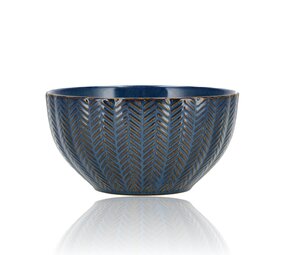
Ramen bowl Ø14 cm and soup bowls ...
Ramen bowl Ø14 cm and ...
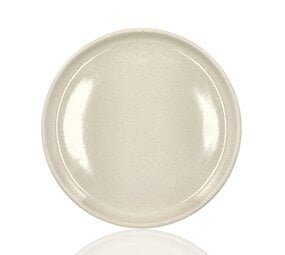
Ceramic breakfast plates Ø20 cm i...
Ceramic breakfast plate...
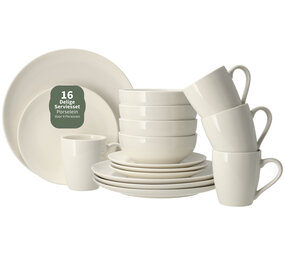
16-piece white porcelain dinnerwar...
16-piece white porcelai...
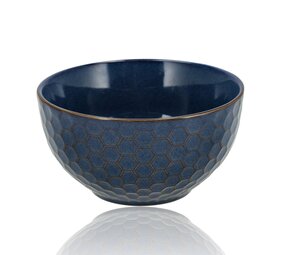
Ramen bowl and soup bowls without ...
Ramen bowl and soup bow...
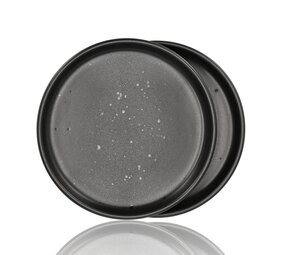
Ceramic breakfast plates black Ø2...
Ceramic breakfast plate...
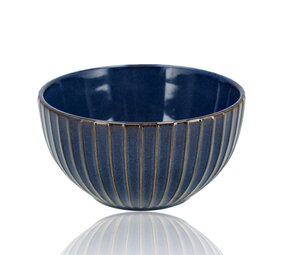
Ramen bowl and soup bowls without ...
Ramen bowl and soup bow...
- Ordered on working days before 12:00, delivered the next day!
- Buy now, pay later
- Fast delivery in the Netherlands & Belgium
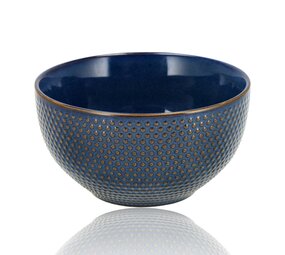
Ramen bowl and soup bowls without ...
Ramen bowl and soup bow...
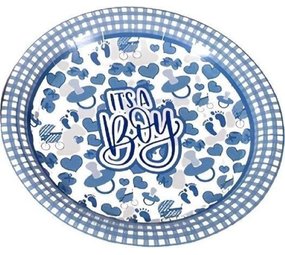
Set of 8-piece turbolino platters ...
Set of 8-piece turbolin...
Set of 8-piece turbolino platters ...
Set of 8-piece turbolin...
Overige categorieën in Household, Living & Cooking
Pastry plates for pastries, breakfast and dessert
Buy dessert plates for pastries and dessert
A suitable cake plate gives cake, pastries, biscuits, fruit or a small dessert enough room without requiring a large dinner plate. At Discountershop, you can find cake plates and small ceramic plates for coffee and tea, breakfast, birthdays, afternoon tea and desserts. Before ordering, compare the diameter, usable eating surface, rim, material, colour and number of pieces. Also check whether the product information confirms that the cake plates are dishwasher- and microwave-safe.
What can you use a cake plate for?
A cake plate is smaller than a standard dinner plate and is primarily intended for a modest portion. Its compact size keeps a slice of cake or pastry in proportion to the plate. There is generally still enough space for a cake fork, sauce, fruit or a small garnish.
Cake plates can be used for:
a slice of cake, gateau or flan;
pastries, biscuits and small baked goods;
bread, croissants or fruit at breakfast;
cheese, ice cream or another dessert;
sandwiches and snacks during afternoon tea;
a starter or light lunch;
appetisers with coffee, tea or drinks;
individual portions at a buffet.
The terms cake plate, dessert plate, side plate and breakfast plate often overlap. The same small plate can be used for different foods. Focus on the dimensions, rim and available eating space rather than relying only on the product name.
What size cake plate do you need?
Many cake plates measure approximately 18 to 22 centimetres in diameter. A size of around 20 centimetres generally provides enough room for a slice of cake with a fork beside it. The exact size you need depends on the type of pastry and how you want to present it.
Do not consider only the total diameter. A broad rim may reduce the usable centre of the plate. A slightly raised rim, however, can help contain dessert sauce, fruit or crumbs.
Check:
the total diameter;
the width and height of the rim;
the flat area available for the food;
the height of a complete stack;
the weight of each plate;
the number of plates in the package.
You can also measure a plate you already find comfortable to use. This makes it easier to compare its dimensions with the product specifications.
Ceramic cake plates
Ceramic is a broad term for products made from fired clay. Ceramic cake plates are available in different colours, thicknesses and glazes. A slightly heavier plate often remains stable while you cut a pastry or slice of cake with a fork.
For each product, check:
whether the plate is dishwasher-safe;
whether microwave use is permitted;
whether the glaze suits regular use;
whether the plates are sold individually or as a set;
whether small differences in colour or pattern may occur;
which care instructions apply.
Ceramic is not automatically suitable for the oven or microwave. Use a cake plate in an appliance only when the product specifications explicitly permit it. Avoid sudden temperature changes, such as placing a warm plate directly on a cold or wet surface.
Combining cream, white and black plates
The colour of a cake plate affects the contrast with the food. Chocolate, red fruit and dark cake bases remain clearly visible on a light plate. A black plate can provide contrast with whipped cream, vanilla ice cream, light pastries or icing sugar.
Your cake plates do not have to be exactly the same colour as your dinner plates. A different colour can make it clear that a new course is beginning. You can repeat the same shade in napkins, placemats, glasses or other table elements.
When coordinating your table, consider:
the colours of your existing dinnerware;
the types of cake or pastries you frequently serve;
the available table space;
the number of guests;
the shape of the plates;
the colour of the cutlery and table accessories.
Preparing and serving cake
Cut cake and pastries on a suitable surface rather than directly on a cake plate that may be sensitive to knife marks. Use suitable kitchen utensils to cut portions neatly and transfer them to the plate. A cake server or spatula can help prevent a slice from breaking while it is being moved.
Place a suitable fork or spoon beside each plate. In the cutlery category, you can view utensils for different meals and courses. For an informal coffee break, the fork may be placed beside the plate. At a more formally arranged table, dessert cutlery is often placed above the plate or positioned according to the order of the courses.
If you serve several types of cake, use small cards when guests need information about allergens. Provide a separate cake server or pair of tongs for each item to help keep flavours, crumbs and ingredients apart.
Cake plates with coffee, tea and other drinks
Cake is often served with coffee, tea, water, juice or a celebratory drink. Position suitable glasses so guests can easily put down and pick up their plates. Keep hot drinks and cold glassware out of each other’s immediate handling area to reduce the chance of accidental contact.
For a birthday, afternoon tea or drinks party, you can also add drinks and bar accessories. Distribute the drinks, cake and serving items across the table so that guests do not all have to reach towards the same point.
Arranging the table with cake plates
Use table accessories such as napkins, placemats, coasters, tablecloths or serving boards to define each place and protect the tabletop. Keep the arrangement practical: there should be sufficient room for the cake plate, cutlery and drink.
A straightforward place setting can include:
the cake plate in the centre of the seat;
the fork beside or above the plate;
the glass or cup above and to the right;
a napkin to the left or underneath the fork;
cake stands or serving dishes within reach but away from the table edge.
Use decorative charger plates or trays for direct food contact only when the product information confirms that this is permitted.
Cleaning and storing cake plates
Follow the care instructions supplied with each plate. Position dishwasher-safe plates so that they do not strike one another during the cleaning cycle. When washing by hand, use a soft sponge and a cleaning product that is suitable for the glaze.
Grey lines may be caused by metal deposits from forks or knives rather than deep scratches. Do not use steel wool or harsh abrasive cleaners when they could damage the surface.
For safe storage:
allow the plates to dry completely;
stack them on a level shelf;
do not place heavy items on a tall stack;
use soft protection between surfaces that scratch easily;
inspect the rims regularly for cracks and chips;
stop using a damaged plate if safe food contact is no longer possible.
Watch table-setting and serving tips on our YouTube channel
Would you like to view product information, usage tips or practical examples? Visit the Discountershop YouTube channel. Watch the videos and then choose the cake plates, kitchen products and table items that suit your next coffee, tea or dessert occasion.
Frequently asked questions about cake plates
What is the standard size of a cake plate?
A cake plate often has a diameter of approximately 18 to 22 centimetres. A plate around 20 centimetres is usually large enough for a slice of cake with a fork. Also check how much space the rim occupies.
What is the difference between a cake plate and a dessert plate?
The difference is often minor. A cake plate is mainly used for cake, pastries and biscuits, while a dessert plate can also be used for ice cream, fruit or cheese. The terms may refer to plates of the same size.
Can I use a cake plate as a breakfast plate?
Yes, provided the size suits the portion. A cake plate can hold bread, a croissant, fruit or a light lunch. A larger plate may be more convenient for an extensive breakfast.
Which cutlery should be used with a cake plate?
A small cake fork is commonly used for cake and pastries. A dessert spoon may work better for ice cream, mousse or desserts with plenty of sauce. The correct utensil depends on the texture of the food.
Where should the cake fork be placed?
For an informal coffee break, the fork can be placed beside the plate. At a table with several courses, dessert cutlery is often positioned horizontally above the plate or brought to the table with the dessert.
How many cake plates do I need?
Allow at least one plate for each guest. Spare plates are useful when serving several courses, regularly entertaining visitors or avoiding washing up between servings. Base the number on your household and usual group size.
Can ceramic cake plates go in the microwave?
Only when the product information confirms that microwave use is permitted. Metallic decorations, certain glazes or existing damage can make a plate unsuitable. Check each product separately.
Can cake plates go in the dishwasher?
That depends on the material, glaze and pattern. Use the dishwasher only when the product is marked as dishwasher-safe. Position the plates so their rims do not touch during the cycle.
How can I prevent scratches on cake plates?
Use suitable cutlery, avoid hard scouring pads and place soft protection between stacked plates when necessary. Do not slide plates across each other if crumbs or dirt are trapped between them.
Can a decorative plate be used as a cake plate?
Not automatically. Decorative plates and candle trays may have a finish that is not intended for food contact. Use them for cake only when the product information confirms that they are food-safe.
