
 Household, Living & Cooking
 Outdoor, Travel & Sports
 DIY, Garden & Animals
 Fashion accessories & Shoes
 Car & Motor
 Computer & Electronics
 Office & School
 Beautiful & Healthy
 Toys
Toys Eat Drink
 Baby
Baby Christmas
 King's Day


 8
8Serving bowls for salad, soup, fruit, snacks and cake
Buy serving bowls for every meal and table setting
A suitable serving bowl allows you to place salad, soup, fruit, snacks, side dishes or cake neatly on the table. At Discountershop, you can find serving bowls, serving dishes and bowl sets for everyday meals, dinners, brunches and buffets. The range includes ceramic bowls, earthenware soup and ramen bowls, fruit bowls and stainless steel serving dishes with a cover. Before ordering, compare the material, capacity, diameter, depth and usage instructions. This will help you choose a bowl that suits the food, number of guests and available table space.
Which serving bowl suits your food?
Not every bowl works equally well for every type of food. A deep serving bowl keeps liquids and ingredients contained, while a broad, shallow dish makes snacks easier to reach. Start. Start by considering what you most frequently want to serve.
Salads and side dishes: choose a bowl with enough room to mix the ingredients without pushing them over the rim.
Soup, ramen and noodles: a deep ceramic bowl helps keep broth, noodles and toppings together.
Fruit: an open fruit bowl keeps the contents visible and can be placed on the dining table or kitchen counter.
Snacks and appetisers: a broad dish allows guests to reach the food from different sides of the table.
Cake and cheese: a serving dish with a dome or cover can temporarily protect the contents and provide a clear presentation.
Breakfast and desserts: smaller bowls suit yoghurt, cereal, fruit, ice cream and individual portions.
Buffets and brunches: combine several sizes so that hot and cold foods can be presented separately.
If you want to compare plates, mugs or complete dinnerware sets alongside individual bowls, browse the tableware category. Coordinating the materials, colours and shapes creates a consistent table setting without requiring every item to come from the same collection.
Stainless steel serving bowls
Stainless steel can be a practical choice for serving snacks, fruit, cheese, cake or other foods, depending on the product. It is relatively lightweight, making it easy to move from the kitchen to the dining table. A stainless steel serving dish with a dome can be useful when you want to cover the food before serving.
When comparing stainless steel serving dishes, check:
the diameter and height;
the type of base plate or tray;
the fit of an included dome or lid;
the finish of the edges and handles;
the cleaning instructions;
whether the item is approved for direct food contact.
Water spots can remain visible on stainless steel after washing. Dry the bowl with a soft cloth before storing it. Avoid abrasive cleaning products when the care instructions advise against them.
Ceramic and earthenware serving bowls
Ceramic and earthenware are commonly used for soup, ramen, noodles, salads, breakfast and snacks. Their weight helps the bowls remain stable on the table. Colours, glazes and patterns vary between collections, allowing you to coordinate the bowl with your existing dinnerware.
For each ceramic serving bowl, check:
its capacity in millilitres or litres;
the diameter and depth;
whether it is dishwasher-safe;
whether microwave use is permitted;
which temperatures the product can tolerate;
whether it is supplied individually or as a set.
A ceramic bowl is not automatically suitable for the oven or microwave. Use only the information supplied with the specific product. Avoid sudden temperature changes, such as placing a hot bowl directly on a cold or wet surface.
Glass serving bowls
A glass serving bowl keeps the colours and layers of the food visible. This can work well for fruit salad, desserts, cold pasta salad or snacks. Transparent glass is also easy to combine with different plate, tablecloth and drinkware colours.
The properties of glass vary according to its type and production process. Always check whether the individual bowl is dishwasher-, microwave- or oven-safe. Standard serving glass is not automatically heat-resistant. Do not use a glass dish for hot food when its product specifications do not permit this. Inspect glass items regularly for cracks, chips or damaged rims.
Choosing the right size and shape
The diameter tells you how much table space a serving bowl requires, but it does not show its full capacity. A deep 14-centimetre bowl can hold more than a broad, shallow dish with a larger diameter. Check the height and stated capacity as well as the width.
For a meal with several side dishes, multiple medium-sized bowls may be more practical than one very large serving dish. Guests can pass them around more easily, while hot and cold foods remain separate. A larger bowl can work well at a buffet, provided there is enough space around it for serving utensils.
The shape also affects how the bowl can be used:
Round: easy to rotate and accessible from several sides.
Oval: suitable for longer ingredients and may require less table width.
Rectangular: aligns with straight table edges and can fit neatly beside other dishes.
Deep: suitable for soup, noodles, salads and food with sauce.
Shallow: suitable for appetisers, fruit, cake or food presented beneath a dome.
From food preparation to serving
Good presentation begins in the kitchen. Suitable kitchen utensils allow you to mix, portion and transfer food into the serving bowl without unnecessary spills. Use the correct tool for each dish, such as a spoon, pair of tongs or spatula.
Place suitable cutlery beside each bowl. A ladle suits liquid dishes, while a serving spoon or tongs work better for salads and snacks. Do not allow the handle to sink completely into the food, and use separate utensils for raw and cooked ingredients.
Creating a complete table setting
A serving bowl is usually one part of a larger table arrangement. Use table accessories such as placemats, napkins, tablecloths, trivets or serving boards to support the presentation. For hot serving dishes, check whether the chosen trivet provides sufficient protection for the tabletop.
Place appropriate glasses on the table for water, wine or other drinks. For a drinks party, dinner or celebration, you can also add drinks and bar accessories. Distribute the different items across the table so that there is enough room to pass serving bowls safely.
Cleaning and storing serving bowls
Read the product information before cleaning a new bowl for the first time. Some serving bowls can go in the dishwasher, while others must be washed by hand. Use a soft sponge on surfaces that may scratch and avoid cleaning products that are unsuitable for the material.
Consider the following care and storage points:
allow hot bowls to cool gradually;
remove food residue before it dries;
dry stainless steel to limit water marks;
inspect ceramic and glass for cracks or damaged rims;
do not place heavy bowls on top of fragile items;
put soft protection between stacked bowls when necessary;
store domes and lids where they cannot fall.
A decorative bowl is not automatically suitable for serving food. For candle trays, jewellery dishes or home accessories, confirm that the product information explicitly permits direct food contact.
Watch serving and table-setting tips on our YouTube channel
Would you like to view product information, usage tips or practical examples? Visit the Discountershop YouTube channel. Watch the videos and then choose the serving bowls, table products and kitchen items that suit your meal or occasion.
Frequently asked questions about serving bowls
What size serving bowl do I need?
The correct size depends on the food and number of people. Check the depth and capacity as well as the diameter. For a meal with several side dishes, a few medium-sized bowls may be more practical than one large bowl.
Which material is best for a serving bowl?
Stainless steel is lightweight and easy to move, ceramic and earthenware work well for soup, ramen and salads, and glass keeps the contents visible. The best option depends on the food, presentation and care instructions.
What is the difference between a serving bowl and a regular bowl?
The terms can overlap. A regular bowl is often used for soup, breakfast or an individual portion. A serving bowl is generally intended for food shared by several people, although a sufficiently large regular bowl may also be used for serving.
Which serving bowl is suitable for salad?
Choose a bowl that is broad and deep enough to mix the salad without pushing ingredients over the rim. Allow additional room for dressing, toppings and serving utensils.
Can a ceramic serving bowl go in the microwave?
Only when the product information says that microwave use is permitted. Ceramic is not automatically microwave-safe. Check for metallic decoration, special glazing and any existing damage.
Can a glass serving bowl go in the oven?
Only use it in the oven if the bowl is specifically identified as oven-safe. Standard glass may break due to high temperatures or sudden temperature changes. Always follow the stated maximum temperature and usage instructions.
Is a stainless steel serving bowl suitable for hot food?
That depends on the individual product and its construction. Stainless steel can conduct heat, so the bowl and handles may become hot. Check the specifications and use appropriate protection for your hands and table when required.
How many serving bowls do I need for a buffet?
Allow at least one bowl for each separate dish. For larger groups, add extra bowls for popular foods so guests do not all have to gather at one point. Keep hot, cold and allergen-containing foods separate.
How can I prevent scratches when stacking serving bowls?
Clean and dry the bowls before stacking them. Place a soft cloth or protective layer between items with sensitive surfaces. Do not stack heavy serving dishes on top of thin glass or fragile ceramic bowls.
Can every decorative bowl be used for food?
No. A bowl intended for candles, jewellery or decoration may not be food-safe. Use it for serving only when the product information confirms that its material and finish are suitable for direct food contact.
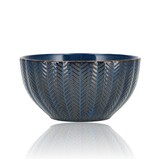
Ramen bowl Ø14 cm and soup bowls without handle with herringbone pattern. Ceramic bowls ideal for soup, noodles, breakf...
Ramen bowl Ø14 cm and so...
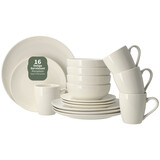
16-piece white porcelain dinnerware set for 4. Complete plate set with bowls and mugs. Microwave and dishwasher safe. Id...
16-piece white porcelain ...
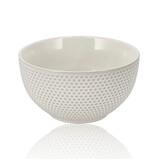
keramische soepkommen van 750 ml bieden extra ruimte voor ramen, soep en salades. Het grijze design stapelt handig en pa...
keramische soepkommen van...
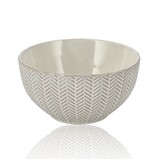
Ramen smaakt extra goed uit deze royale keramische kom van 700 ml. Bestel de grijze oorloze kom voor noedels, yoghurt en...
Ramen smaakt extra goed u...
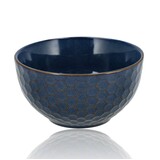
Ramen bowl and soup bowls without handle with honeycomb pattern. Ceramic bowls ideal for soup, noodles, breakfast, yogur...
Ramen bowl and soup bowls...
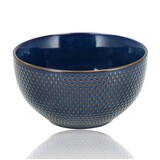
Ramen bowl and soup bowls without handle with dot design. Ceramic bowls ideal for soup, noodles, breakfast, yogurt or sa...
Ramen bowl and soup bowls...
- Ordered on working days before 12:00, delivered the next day!
- Buy now, pay later
- Fast delivery in the Netherlands & Belgium
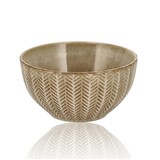
Ramen bowl set soup bowls Ø14 cm stoneware. Use as ramen bowl, salad bowl, serving bowl or fruit bowl. Heat resistant a...
Ramen bowl set soup bowls...
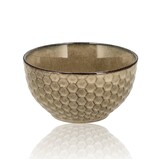
Soup bowls set Ø14 cm stoneware with honeycomb pattern. Use as ramen bowl, salad bowl, serving bowl or fruit bowl. Heat...
Soup bowls set Ø14 cm st...
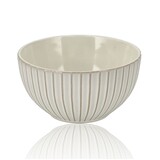
Keramische kommen van 700 ml geven je royaal ruimte voor ramen, muesli en salades. Bestel de grijze set zonder oor voord...
Keramische kommen van 700...
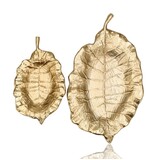
Decorative gold tray for candles, jewelry, and table decor. Perfect as a mirror tray for candles or home accessories in ...
Decorative gold tray for ...
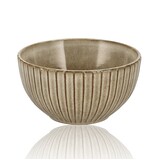
Soup Bowls Without Handle (14 cm) stoneware bowls. Use as ramen bowl, soup bowls, salad bowl, serving bowl or fruit bowl...
Soup Bowls Without Handle...
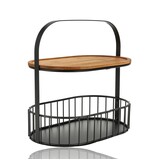
2-tier fruit stand with wooden top, perfect as a countertop fruit organizer and kitchen organizer. Keep produce organize...
2-tier fruit stand with w...
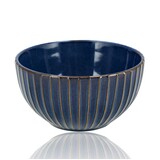
Ramen bowl and soup bowls without handle made of ceramic. Ideal for soup, noodles, breakfast bowls, yogurt bowl or salad...
Ramen bowl and soup bowls...
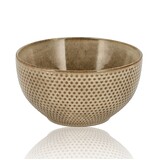
Ramen bowl set Ø14 cm stoneware, available in sets. Use as ramen bowl, soup bowls, salad bowl or fruit bowl. Heat resis...
Ramen bowl set Ø14 cm st...
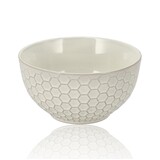
Ceramic ramen bowl and soup bowls without handles, 700 ml, with honeycomb pattern. Dishwasher, microwave and oven safe, ...
Ceramic ramen bowl and so...
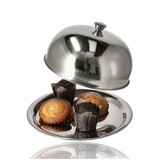
Stainless steel serving platter with dome Ø26 cm. Use as cake dome, cheese dome or serving tray. Protects food from dus...
Stainless steel serving p...
Overige categorieën in Household, Living & Cooking
Serving bowls for salad, soup, fruit, snacks and cake
Buy serving bowls for every meal and table setting
A suitable serving bowl allows you to place salad, soup, fruit, snacks, side dishes or cake neatly on the table. At Discountershop, you can find serving bowls, serving dishes and bowl sets for everyday meals, dinners, brunches and buffets. The range includes ceramic bowls, earthenware soup and ramen bowls, fruit bowls and stainless steel serving dishes with a cover. Before ordering, compare the material, capacity, diameter, depth and usage instructions. This will help you choose a bowl that suits the food, number of guests and available table space.
Which serving bowl suits your food?
Not every bowl works equally well for every type of food. A deep serving bowl keeps liquids and ingredients contained, while a broad, shallow dish makes snacks easier to reach. Start. Start by considering what you most frequently want to serve.
Salads and side dishes: choose a bowl with enough room to mix the ingredients without pushing them over the rim.
Soup, ramen and noodles: a deep ceramic bowl helps keep broth, noodles and toppings together.
Fruit: an open fruit bowl keeps the contents visible and can be placed on the dining table or kitchen counter.
Snacks and appetisers: a broad dish allows guests to reach the food from different sides of the table.
Cake and cheese: a serving dish with a dome or cover can temporarily protect the contents and provide a clear presentation.
Breakfast and desserts: smaller bowls suit yoghurt, cereal, fruit, ice cream and individual portions.
Buffets and brunches: combine several sizes so that hot and cold foods can be presented separately.
If you want to compare plates, mugs or complete dinnerware sets alongside individual bowls, browse the tableware category. Coordinating the materials, colours and shapes creates a consistent table setting without requiring every item to come from the same collection.
Stainless steel serving bowls
Stainless steel can be a practical choice for serving snacks, fruit, cheese, cake or other foods, depending on the product. It is relatively lightweight, making it easy to move from the kitchen to the dining table. A stainless steel serving dish with a dome can be useful when you want to cover the food before serving.
When comparing stainless steel serving dishes, check:
the diameter and height;
the type of base plate or tray;
the fit of an included dome or lid;
the finish of the edges and handles;
the cleaning instructions;
whether the item is approved for direct food contact.
Water spots can remain visible on stainless steel after washing. Dry the bowl with a soft cloth before storing it. Avoid abrasive cleaning products when the care instructions advise against them.
Ceramic and earthenware serving bowls
Ceramic and earthenware are commonly used for soup, ramen, noodles, salads, breakfast and snacks. Their weight helps the bowls remain stable on the table. Colours, glazes and patterns vary between collections, allowing you to coordinate the bowl with your existing dinnerware.
For each ceramic serving bowl, check:
its capacity in millilitres or litres;
the diameter and depth;
whether it is dishwasher-safe;
whether microwave use is permitted;
which temperatures the product can tolerate;
whether it is supplied individually or as a set.
A ceramic bowl is not automatically suitable for the oven or microwave. Use only the information supplied with the specific product. Avoid sudden temperature changes, such as placing a hot bowl directly on a cold or wet surface.
Glass serving bowls
A glass serving bowl keeps the colours and layers of the food visible. This can work well for fruit salad, desserts, cold pasta salad or snacks. Transparent glass is also easy to combine with different plate, tablecloth and drinkware colours.
The properties of glass vary according to its type and production process. Always check whether the individual bowl is dishwasher-, microwave- or oven-safe. Standard serving glass is not automatically heat-resistant. Do not use a glass dish for hot food when its product specifications do not permit this. Inspect glass items regularly for cracks, chips or damaged rims.
Choosing the right size and shape
The diameter tells you how much table space a serving bowl requires, but it does not show its full capacity. A deep 14-centimetre bowl can hold more than a broad, shallow dish with a larger diameter. Check the height and stated capacity as well as the width.
For a meal with several side dishes, multiple medium-sized bowls may be more practical than one very large serving dish. Guests can pass them around more easily, while hot and cold foods remain separate. A larger bowl can work well at a buffet, provided there is enough space around it for serving utensils.
The shape also affects how the bowl can be used:
Round: easy to rotate and accessible from several sides.
Oval: suitable for longer ingredients and may require less table width.
Rectangular: aligns with straight table edges and can fit neatly beside other dishes.
Deep: suitable for soup, noodles, salads and food with sauce.
Shallow: suitable for appetisers, fruit, cake or food presented beneath a dome.
From food preparation to serving
Good presentation begins in the kitchen. Suitable kitchen utensils allow you to mix, portion and transfer food into the serving bowl without unnecessary spills. Use the correct tool for each dish, such as a spoon, pair of tongs or spatula.
Place suitable cutlery beside each bowl. A ladle suits liquid dishes, while a serving spoon or tongs work better for salads and snacks. Do not allow the handle to sink completely into the food, and use separate utensils for raw and cooked ingredients.
Creating a complete table setting
A serving bowl is usually one part of a larger table arrangement. Use table accessories such as placemats, napkins, tablecloths, trivets or serving boards to support the presentation. For hot serving dishes, check whether the chosen trivet provides sufficient protection for the tabletop.
Place appropriate glasses on the table for water, wine or other drinks. For a drinks party, dinner or celebration, you can also add drinks and bar accessories. Distribute the different items across the table so that there is enough room to pass serving bowls safely.
Cleaning and storing serving bowls
Read the product information before cleaning a new bowl for the first time. Some serving bowls can go in the dishwasher, while others must be washed by hand. Use a soft sponge on surfaces that may scratch and avoid cleaning products that are unsuitable for the material.
Consider the following care and storage points:
allow hot bowls to cool gradually;
remove food residue before it dries;
dry stainless steel to limit water marks;
inspect ceramic and glass for cracks or damaged rims;
do not place heavy bowls on top of fragile items;
put soft protection between stacked bowls when necessary;
store domes and lids where they cannot fall.
A decorative bowl is not automatically suitable for serving food. For candle trays, jewellery dishes or home accessories, confirm that the product information explicitly permits direct food contact.
Watch serving and table-setting tips on our YouTube channel
Would you like to view product information, usage tips or practical examples? Visit the Discountershop YouTube channel. Watch the videos and then choose the serving bowls, table products and kitchen items that suit your meal or occasion.
Frequently asked questions about serving bowls
What size serving bowl do I need?
The correct size depends on the food and number of people. Check the depth and capacity as well as the diameter. For a meal with several side dishes, a few medium-sized bowls may be more practical than one large bowl.
Which material is best for a serving bowl?
Stainless steel is lightweight and easy to move, ceramic and earthenware work well for soup, ramen and salads, and glass keeps the contents visible. The best option depends on the food, presentation and care instructions.
What is the difference between a serving bowl and a regular bowl?
The terms can overlap. A regular bowl is often used for soup, breakfast or an individual portion. A serving bowl is generally intended for food shared by several people, although a sufficiently large regular bowl may also be used for serving.
Which serving bowl is suitable for salad?
Choose a bowl that is broad and deep enough to mix the salad without pushing ingredients over the rim. Allow additional room for dressing, toppings and serving utensils.
Can a ceramic serving bowl go in the microwave?
Only when the product information says that microwave use is permitted. Ceramic is not automatically microwave-safe. Check for metallic decoration, special glazing and any existing damage.
Can a glass serving bowl go in the oven?
Only use it in the oven if the bowl is specifically identified as oven-safe. Standard glass may break due to high temperatures or sudden temperature changes. Always follow the stated maximum temperature and usage instructions.
Is a stainless steel serving bowl suitable for hot food?
That depends on the individual product and its construction. Stainless steel can conduct heat, so the bowl and handles may become hot. Check the specifications and use appropriate protection for your hands and table when required.
How many serving bowls do I need for a buffet?
Allow at least one bowl for each separate dish. For larger groups, add extra bowls for popular foods so guests do not all have to gather at one point. Keep hot, cold and allergen-containing foods separate.
How can I prevent scratches when stacking serving bowls?
Clean and dry the bowls before stacking them. Place a soft cloth or protective layer between items with sensitive surfaces. Do not stack heavy serving dishes on top of thin glass or fragile ceramic bowls.
Can every decorative bowl be used for food?
No. A bowl intended for candles, jewellery or decoration may not be food-safe. Use it for serving only when the product information confirms that its material and finish are suitable for direct food contact.