
 Household, Living & Cooking
 Outdoor, Travel & Sports
 DIY, Garden & Animals
 Fashion accessories & Shoes
 Car & Motor
 Computer & Electronics
 Office & School
 Beautiful & Healthy
 Toys
Toys Eat Drink
 Baby
Baby Christmas
 King's Day


 8
8Household Products for Storage, Cleaning, Laundry and More
Household
Household products support everyday tasks such as organizing, cleaning, laundry, drying, grocery shopping, waste collection and food storage. Choosing products that suit the task and available space helps prevent clutter, overloading and unsuitable purchases. At Discountershop, you can find household essentials for kitchens, bathrooms, bedrooms, utility rooms and storage areas.
Household products by task
Use these subcategories to find the right type of product:
Storage: boxes, baskets, organizers and storage chests for cupboards, bedrooms and utility spaces.
Cleaning: brushes, cloths, mops, buckets and tools for removing dust, crumbs, hair and spills.
Shopping: shopping bags, shopping trolleys and folding crates for carrying and transporting groceries.
Drying: drying racks, clotheslines, pegs and accessories for drying laundry indoors or outdoors.
Waste Bins: pedal bins, tabletop bins and containers for collecting and separating household waste.
Laundry: laundry baskets, wash bags and products for sorting, carrying and protecting textiles.
Food Storage: food containers, lunch boxes and storage products for groceries, meals and leftovers.
Dishwashing: dish brushes, draining racks and sink accessories for washing dishes by hand.
Cleaning Products: cleaning agents and maintenance products for specific surfaces and appliances.
Paper: household paper products for wiping, drying, cleaning and hygiene.
Cleaning covers tools and equipment, while Cleaning Products covers chemical products and surface treatments. Keeping these purposes separate helps customers choose more accurately.
View all household products
Which household essentials do you need?
Start with the problem rather than the product. A large storage box is unsuitable if it cannot pass through the cupboard opening. A drying rack with plenty of drying length is inconvenient if its open wings block a doorway.
Before ordering, check:
available space with lids, pedals, doors or wings open;
external dimensions rather than capacity alone;
maximum load;
material and surface compatibility;
cleaning and maintenance requirements;
whether the product is needed daily or seasonally;
safety around children, animals and food.
In smaller homes, organize by activity. Keep frequently used items at the front, label closed boxes and give laundry, cleaning supplies, food and waste separate zones.
Which category suits your room and situation?
Use this table when you know the household problem but are unsure which category contains the solution.
| Situation or problem | Room or area | Category | What should you check? |
|---|---|---|---|
| Loose items occupy floors, worktops or cupboard space | Bedroom, living room, kitchen, attic or utility room | Storage | Dimensions, capacity, handles, lid, load and stacking |
| Dust, hair, crumbs or spills need removing | Kitchen, bathroom, toilet or living room | Cleaning | Surface, reach, brush or cloth material and cleaning method |
| Groceries are heavy or difficult to carry | Shop, market, car or route home | Shopping | Capacity, load, handles, wheels, base and folded size |
| Wet laundry lacks space or dries slowly | Utility room, bathroom, balcony, garden or ventilated room | Drying | Open dimensions, drying length, stability and maximum load |
| Waste smells, leaks or is not separated | Kitchen, bathroom, office or outdoors | Waste Bins | Capacity, bag size, lid, pedal and cleanability |
| Laundry becomes mixed or delicate textiles need protection | Bedroom, bathroom or utility room | Laundry | Compartments, ventilation, handles, wash-bag size and fabric instructions |
| Leftovers leak, dry out or become forgotten | Kitchen, fridge, freezer or pantry | Food Storage | Closure, food contact, temperature limits, size and labelling |
| Wet dishes occupy the worktop or debris blocks the sink | Kitchen and sink area | Dishwashing | Draining-rack size, drainage, material and sink dimensions |
| Grease, limescale or deposits require a specific product | Kitchen, bathroom, toilet or appliance | Cleaning Products | Surface suitability, dosage, contact time, warnings and rinsing |
| A quick product is needed for wiping, drying or hygiene | Kitchen, bathroom, toilet, table or desk | Paper | Absorbency, sheet size, layers, purpose and pack quantity |
Solutions to common household problems
Products do not fit or become overloaded
Measure the narrowest opening and include wheels, handles and lid edges. Divide heavy bottles, books or wet laundry between several carriers and never exceed the stated load.
Laundry dries slowly or smells musty
Leave space between garments, separate thick and thin textiles and ventilate the room. Do not block heaters or ventilation grilles. Only store laundry when fully dry.
Bins smell or leak
Use a correctly sized bag, remove liquid from the bottom and clean the bin according to its material. Do not compress waste by hand or overfill the bag.
Food containers leak or become disorganized
Match every lid to its container and inspect the seal. Not every box is freezer-, microwave- or dishwasher-safe. Store prepared leftovers covered and separate from raw products.
Cleaning products damage surfaces
A product for grease, limescale or bathrooms is not suitable for every material. Read the label and never mix cleaning agents. Combining chlorine bleach with cleaning vinegar can release dangerous chlorine gas.
Cleaning tools spread dirt
Use separate cloths and brushes for kitchens, bathrooms and toilets. Wash or replace them as directed and allow reusable tools to dry completely.
Compare household products at Discountershop by size, capacity, material and intended use.
Shop by household task
Watch our household products on YouTube
Visit our YouTube channel for videos about storage boxes, cleaning tools, drying racks, shopping trolleys and food containers. See product dimensions, components and possible applications before ordering.
Frequently asked questions about household products
1. How do you create a household essentials list?
Divide it into storage, cleaning, laundry, kitchen, waste and shopping. Include only products suited to your home and routine.
2. Which household products should be stored separately?
Keep cleaning agents away from food, medicine and animal feed. Do not store toilet-cleaning tools beside kitchen utensils.
3. What should you measure for a drying rack?
Measure its open width, depth and height. Include walking space, door movement and the weight of wet laundry.
4. When should a storage box be replaced?
Replace it if the base bends or it develops cracks, sharp edges, damaged handles or a defective closure.
5. How can you prevent cross-contamination while cleaning?
Use labelled or colour-coded tools for kitchens, bathrooms and toilets. Wash hands and equipment after use.
6. Can every food container go in a microwave?
No. Check the product symbol and instructions. Only use the lid as directed and avoid fully sealed heating.
7. How do you choose a waste-bin size?
Consider available space, waste volume, bag size and emptying frequency. An oversized bin may retain waste for too long.
8. Why does laundry remain damp on a drying rack?
Crowded garments, thick layers and poor ventilation slow evaporation. Spread the laundry out and ventilate the room.
9. When is a basket better than a closed box?
A basket suits dry items requiring frequent access. A lidded box reduces direct dust exposure during longer storage.
10. What information should you check before using a product?
Check dimensions, load limits, material, temperature restrictions, maintenance, food-contact information and safety warnings.
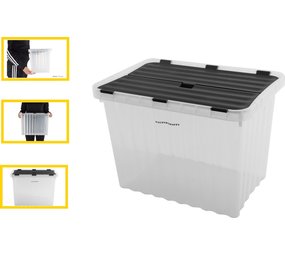
Introducing our 15L storage box - ...
Introducing our 15L sto...
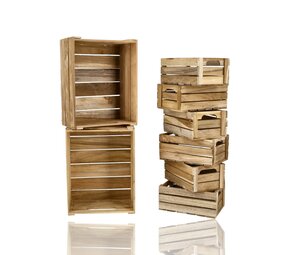
Wooden crate set with wooden crate...
Wooden crate set with w...
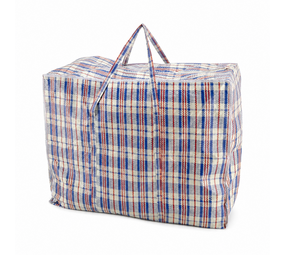
Large 150L storage bag with zipper...
Large 150L storage bag ...
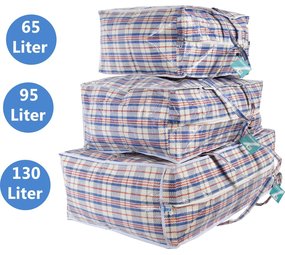
These bags are cheap and not expen...
These bags are cheap an...
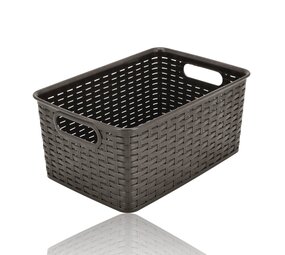
6 litre plastic storage basket wit...
6 litre plastic storage...
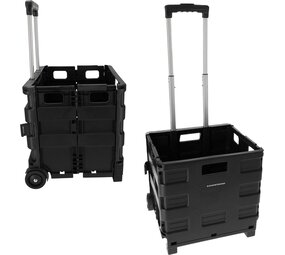
Handy foldable trolley made of pla...
Handy foldable trolley ...
- Ordered on working days before 12:00, delivered the next day!
- Buy now, pay later
- Fast delivery in the Netherlands & Belgium
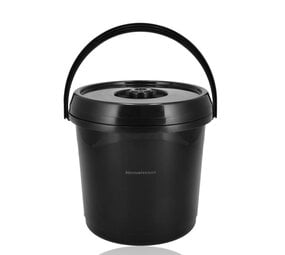
Bucket with lid 14 liter made from...
Bucket with lid 14 lite...
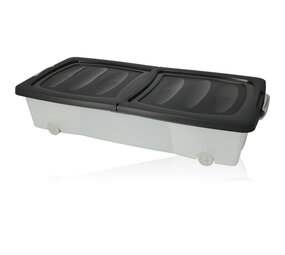
Storage Box - 32L - Black. Conveni...
Storage Box - 32L - Bla...
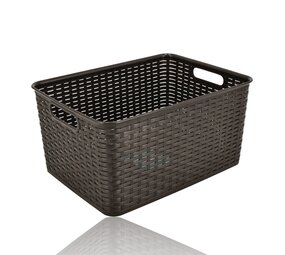
Spacious 18 litre plastic storage ...
Spacious 18 litre plast...
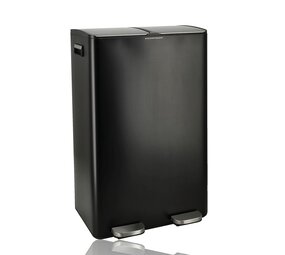
60 liter black pedal bin with 2 co...
60 liter black pedal bi...
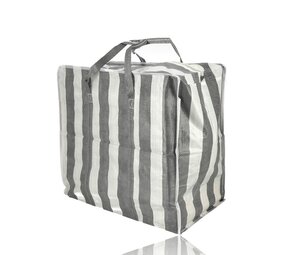
Large 80L storage bag with zipper ...
Large 80L storage bag w...
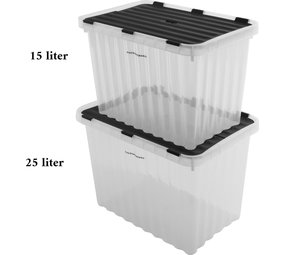
Keep all your essentials in one pl...
Keep all your essential...
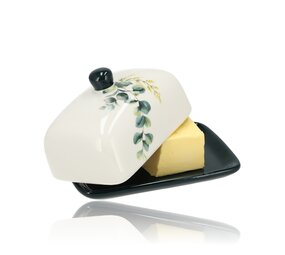
Ceramic butter dish with lid keeps...
Ceramic butter dish wit...
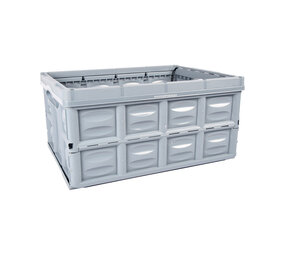
Blue 45 liter foldable crate made ...
Blue 45 liter foldable ...
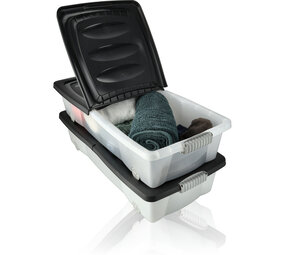
2 Pieces Storage box - underbed bo...
2 Pieces Storage box - ...
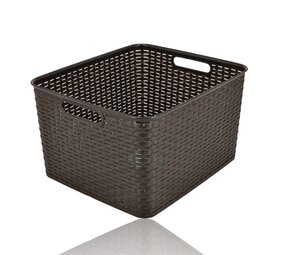
Large 28.5 litre plastic storage b...
Large 28.5 litre plasti...
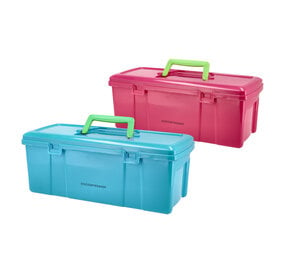
Plastic Storage Box with Handle 36...
Plastic Storage Box wit...
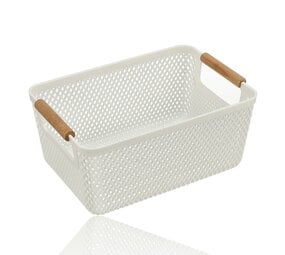
Plastic storage basket with handle...
Plastic storage basket ...
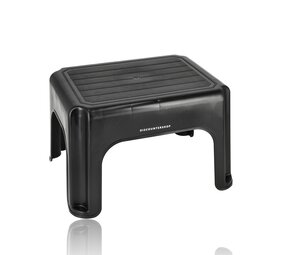
This black step stool provides ext...
This black step stool p...
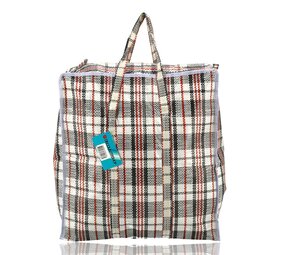
Compact 30L zippered storage bag m...
Compact 30L zippered st...
Overige categorieën in Household, Living & Cooking
Household Products for Storage, Cleaning, Laundry and More
Household
Household products support everyday tasks such as organizing, cleaning, laundry, drying, grocery shopping, waste collection and food storage. Choosing products that suit the task and available space helps prevent clutter, overloading and unsuitable purchases. At Discountershop, you can find household essentials for kitchens, bathrooms, bedrooms, utility rooms and storage areas.
Household products by task
Use these subcategories to find the right type of product:
Storage: boxes, baskets, organizers and storage chests for cupboards, bedrooms and utility spaces.
Cleaning: brushes, cloths, mops, buckets and tools for removing dust, crumbs, hair and spills.
Shopping: shopping bags, shopping trolleys and folding crates for carrying and transporting groceries.
Drying: drying racks, clotheslines, pegs and accessories for drying laundry indoors or outdoors.
Waste Bins: pedal bins, tabletop bins and containers for collecting and separating household waste.
Laundry: laundry baskets, wash bags and products for sorting, carrying and protecting textiles.
Food Storage: food containers, lunch boxes and storage products for groceries, meals and leftovers.
Dishwashing: dish brushes, draining racks and sink accessories for washing dishes by hand.
Cleaning Products: cleaning agents and maintenance products for specific surfaces and appliances.
Paper: household paper products for wiping, drying, cleaning and hygiene.
Cleaning covers tools and equipment, while Cleaning Products covers chemical products and surface treatments. Keeping these purposes separate helps customers choose more accurately.
View all household products
Which household essentials do you need?
Start with the problem rather than the product. A large storage box is unsuitable if it cannot pass through the cupboard opening. A drying rack with plenty of drying length is inconvenient if its open wings block a doorway.
Before ordering, check:
available space with lids, pedals, doors or wings open;
external dimensions rather than capacity alone;
maximum load;
material and surface compatibility;
cleaning and maintenance requirements;
whether the product is needed daily or seasonally;
safety around children, animals and food.
In smaller homes, organize by activity. Keep frequently used items at the front, label closed boxes and give laundry, cleaning supplies, food and waste separate zones.
Which category suits your room and situation?
Use this table when you know the household problem but are unsure which category contains the solution.
| Situation or problem | Room or area | Category | What should you check? |
|---|---|---|---|
| Loose items occupy floors, worktops or cupboard space | Bedroom, living room, kitchen, attic or utility room | Storage | Dimensions, capacity, handles, lid, load and stacking |
| Dust, hair, crumbs or spills need removing | Kitchen, bathroom, toilet or living room | Cleaning | Surface, reach, brush or cloth material and cleaning method |
| Groceries are heavy or difficult to carry | Shop, market, car or route home | Shopping | Capacity, load, handles, wheels, base and folded size |
| Wet laundry lacks space or dries slowly | Utility room, bathroom, balcony, garden or ventilated room | Drying | Open dimensions, drying length, stability and maximum load |
| Waste smells, leaks or is not separated | Kitchen, bathroom, office or outdoors | Waste Bins | Capacity, bag size, lid, pedal and cleanability |
| Laundry becomes mixed or delicate textiles need protection | Bedroom, bathroom or utility room | Laundry | Compartments, ventilation, handles, wash-bag size and fabric instructions |
| Leftovers leak, dry out or become forgotten | Kitchen, fridge, freezer or pantry | Food Storage | Closure, food contact, temperature limits, size and labelling |
| Wet dishes occupy the worktop or debris blocks the sink | Kitchen and sink area | Dishwashing | Draining-rack size, drainage, material and sink dimensions |
| Grease, limescale or deposits require a specific product | Kitchen, bathroom, toilet or appliance | Cleaning Products | Surface suitability, dosage, contact time, warnings and rinsing |
| A quick product is needed for wiping, drying or hygiene | Kitchen, bathroom, toilet, table or desk | Paper | Absorbency, sheet size, layers, purpose and pack quantity |
Solutions to common household problems
Products do not fit or become overloaded
Measure the narrowest opening and include wheels, handles and lid edges. Divide heavy bottles, books or wet laundry between several carriers and never exceed the stated load.
Laundry dries slowly or smells musty
Leave space between garments, separate thick and thin textiles and ventilate the room. Do not block heaters or ventilation grilles. Only store laundry when fully dry.
Bins smell or leak
Use a correctly sized bag, remove liquid from the bottom and clean the bin according to its material. Do not compress waste by hand or overfill the bag.
Food containers leak or become disorganized
Match every lid to its container and inspect the seal. Not every box is freezer-, microwave- or dishwasher-safe. Store prepared leftovers covered and separate from raw products.
Cleaning products damage surfaces
A product for grease, limescale or bathrooms is not suitable for every material. Read the label and never mix cleaning agents. Combining chlorine bleach with cleaning vinegar can release dangerous chlorine gas.
Cleaning tools spread dirt
Use separate cloths and brushes for kitchens, bathrooms and toilets. Wash or replace them as directed and allow reusable tools to dry completely.
Compare household products at Discountershop by size, capacity, material and intended use.
Shop by household task
Watch our household products on YouTube
Visit our YouTube channel for videos about storage boxes, cleaning tools, drying racks, shopping trolleys and food containers. See product dimensions, components and possible applications before ordering.
Frequently asked questions about household products
1. How do you create a household essentials list?
Divide it into storage, cleaning, laundry, kitchen, waste and shopping. Include only products suited to your home and routine.
2. Which household products should be stored separately?
Keep cleaning agents away from food, medicine and animal feed. Do not store toilet-cleaning tools beside kitchen utensils.
3. What should you measure for a drying rack?
Measure its open width, depth and height. Include walking space, door movement and the weight of wet laundry.
4. When should a storage box be replaced?
Replace it if the base bends or it develops cracks, sharp edges, damaged handles or a defective closure.
5. How can you prevent cross-contamination while cleaning?
Use labelled or colour-coded tools for kitchens, bathrooms and toilets. Wash hands and equipment after use.
6. Can every food container go in a microwave?
No. Check the product symbol and instructions. Only use the lid as directed and avoid fully sealed heating.
7. How do you choose a waste-bin size?
Consider available space, waste volume, bag size and emptying frequency. An oversized bin may retain waste for too long.
8. Why does laundry remain damp on a drying rack?
Crowded garments, thick layers and poor ventilation slow evaporation. Spread the laundry out and ventilate the room.
9. When is a basket better than a closed box?
A basket suits dry items requiring frequent access. A lidded box reduces direct dust exposure during longer storage.
10. What information should you check before using a product?
Check dimensions, load limits, material, temperature restrictions, maintenance, food-contact information and safety warnings.

