
 Household, Living & Cooking
 Outdoor, Travel & Sports
 DIY, Garden & Animals
 Fashion accessories & Shoes
 Car & Motor
 Computer & Electronics
 Office & School
 Beautiful & Healthy
 Toys
Toys Eat Drink
 Baby
Baby Christmas
 King's Day


 8
8Bedroom organisers for clothes, jewellery, drawers and underbed storage
Bedroom organisers for clothes, wardrobes, drawers and accessories
An organised bedroom gives clothes, shoes, jewellery, bedding and everyday accessories a fixed place. Bedroom organisers help use the available space inside a wardrobe, in a drawer, on a dressing table, beside the bed or beneath the bed. At Discountershop, you can compare storage products for master bedrooms, small bedrooms, student rooms, guest rooms and children’s bedrooms.
The right organiser should match both its contents and its intended location. A drawer organiser is useful for socks and underwear, while a hanging wardrobe organiser creates extra compartments for folded clothes, bags or accessories. For spare bedding and seasonal clothing, an underbed storage organiser may be the better option.
View all bedroom organisers
Which bedroom organiser do you need?
Start with the storage problem rather than the product. Identify which belongings are difficult to find, take up too much space or regularly end up on a chair, bed or floor. Measure the intended storage area before selecting an organiser.
Common options include:
a wardrobe organiser for folded clothes;
a hanging organiser for vertical wardrobe storage;
a drawer organiser for socks and underwear;
an underbed organiser for bedding, clothes or shoes;
a jewellery organiser for necklaces, rings and earrings;
a makeup organiser for cosmetics and skincare products;
a shoe organiser for frequently worn footwear;
a bedside organiser for small everyday items;
a bed pocket organiser for a book, glasses or remote control;
storage baskets for shelves and open wardrobes.
Assigning one type of item to each organiser makes the layout easier to maintain after daily use.
Wardrobe organisers for more usable storage space
A wardrobe organiser divides a wide shelf or open section into smaller storage zones. T-shirts, trousers, jumpers, bags and accessories can then be grouped by type. Separate compartments also reduce the chance of pulling down an entire pile when removing one item.
Useful wardrobe storage products include:
hanging compartment organisers;
stackable clothes baskets;
shelf dividers;
garment covers;
handbag organisers;
belt and tie holders;
scarf organisers;
small baskets for accessories.
Measure the internal width, depth and height of the wardrobe before ordering. For a hanging wardrobe organiser, measure from the clothes rail to the shelf or wardrobe floor. A model that is too long may rest on the lower shelf, making its bottom compartments difficult to use.
Hanging wardrobe organisers
A hanging wardrobe organiser attaches to a clothes rail, hook or wardrobe door. It uses vertical space without requiring another piece of furniture. Open compartments can hold folded clothing, towels, bags or accessories.
Compare:
the attachment method;
the maximum load;
the number and size of compartments;
the overall width and depth;
the distance from the rail to the wardrobe floor;
the strength of the existing clothes rail;
whether the organiser folds when not in use.
Distribute weight between the compartments. Place heavier jeans and jumpers near the bottom and lighter items at the top to reduce sagging.
Drawer organisers for underwear, socks and accessories
A drawer organiser prevents small garments and accessories from shifting whenever the drawer is opened. Separate sections also make the contents visible without lifting several piles first.
Drawer dividers can be used for:
socks;
underwear;
bras;
ties;
belts;
watches;
hair accessories;
handkerchiefs;
nightwear;
small personal-care products.
Measure the usable interior of the drawer, not the outside of the cabinet. Account for drawer runners, curved sides, internal handles and hinges. Check the available height as well; an organiser that is too tall can prevent the drawer from closing.
Fixed or adjustable drawer compartments?
Fixed compartments provide a consistent layout and work well when the contents rarely change. Adjustable dividers allow the drawer to accommodate items of different sizes.
Choose fixed sections for recurring categories such as socks or underwear. Choose adjustable dividers if the drawer’s purpose changes during the year or if you need wider sections for bulkier accessories.
Underbed organisers for unused floor space
The area beneath a bed can hold belongings that are not needed every day. An underbed organiser, low storage box or storage bag can accommodate spare bedding, winter clothes, shoes, towels and seasonal items.
Measure the distance between the floor and the underside of the bed frame at several points. Support beams, legs or a sagging mattress can reduce the usable height in certain areas.
When comparing underbed storage, check:
the maximum external height;
the length and width;
a zip closure or fitted lid;
handles on the short or long sides;
wheels suitable for the floor;
protection against dust;
ventilation for textiles;
a clear lid or viewing window.
See underbed storage boxes if you need a rigid solution with a lid or wheels. A storage bag may suit soft textiles and bedding better.
Storing clothes by season
Rotating seasonal clothing can free space inside a wardrobe. Only store winter coats, thick jumpers or summer clothes when they are clean and completely dry. Stains and body oils can become more difficult to remove after prolonged storage.
Use this process:
Sort clothing by season and purpose.
Wash or clean each item according to its care label.
Allow everything to dry completely.
Fold garments without placing excessive weight on top.
Label the organiser with its contents and season.
Store it in a dry location.
Check the contents during each seasonal change.
Vacuum bags save space, but they are unsuitable for some materials. Down, leather and structured garments may lose their shape when compressed for long periods. Follow the relevant care instructions.
Jewellery organisers for necklaces, rings and earrings
A jewellery organiser helps prevent necklaces from tangling, earrings from becoming separated and rings from disappearing beneath other belongings. Select the layout according to the type and size of your collection.
Options include:
jewellery boxes with separate compartments;
padded ring rolls;
earring holders;
necklace stands with individual hooks;
drawer trays for watches and bracelets;
hanging jewellery organisers;
closable jewellery cases;
organisers with a mirror.
Keep necklaces separate and close each clasp before hanging it. Store pearls, stones and delicate metals on a soft surface. A jewellery organiser arranges its contents, but it does not automatically protect valuable items against theft. Use an appropriate secure location for valuables.
Makeup organisers for dressing tables and drawers
A makeup organiser separates cosmetics by product type and frequency of use. Lipsticks, mascara, brushes, skincare products and small accessories remain visible and easier to reach.
Possible sections include:
everyday makeup;
skincare products;
brushes and applicators;
lip products;
eye makeup;
nail-care products;
hair clips and hair ties;
travel-size products.
Store products upright when their packaging may leak. Clean the compartments regularly and check the period-after-opening symbol on cosmetics. Do not place makeup in direct sunlight or beside a radiator.
Organising a bedside table and bed area
A bedside table often collects a telephone, charger, glasses, medicines, jewellery, books and remote controls. A compact bedside organiser separates these articles without using much surface space.
It may provide space for:
reading glasses;
a telephone and charging cable;
a notebook and pen;
hand cream;
earplugs;
a watch;
remote controls;
small personal belongings.
A bed pocket organiser attaches to the frame or is held beneath the mattress. Check whether the attachment fits the bed construction and mattress thickness. Keep medicines out of children’s reach and follow the storage instructions on their packaging.
Organising shoes in the bedroom
Shoes take up considerable wardrobe and floor space when pairs are not stored together. A shoe organiser may fit inside a wardrobe, beneath the bed, behind a door or against a free wall.
Options include:
a hanging shoe organiser;
a compact shoe rack;
stackable shoe holders;
clear shoe boxes;
an underbed shoe organiser;
wardrobe compartments for shoes.
Allow worn shoes to air before placing them in closed storage. Remove dirt and moisture to limit odours and mould. When storing boots or high-top shoes, check the height of each compartment as well as its length.
Choose an organiser for your bedroom
How to organise a small bedroom
In a small bedroom, the position of storage matters as much as its capacity. Use areas that would otherwise remain empty before adding more furniture.
Consider:
the space beneath the bed;
the inside of a wardrobe door;
the full height of the wardrobe;
unused space above the clothes rail;
the bottom of the wardrobe;
drawers beneath a bed or cabinet;
narrow spaces beside furniture;
free wall space for lightweight organisers.
Avoid covering the floor with multiple small containers that have no defined purpose. Assign each organiser to one category and keep frequently used belongings within easy reach.
Bedroom organisers for children and teenagers
An organiser in a child’s or teenager’s bedroom should be simple to use. Open baskets, low compartments and clear labels make independent tidying easier.
Divide the room into zones for:
school clothes;
sportswear;
nightwear and underwear;
jewellery and hair accessories;
school supplies;
toys;
shoes;
laundry.
Keep heavy storage products at a low level and attach hanging systems according to their instructions. Keep cords, small parts and lockable containers away from young children.
Materials used for bedroom organisers
Bedroom storage organisers are available in several materials. The right choice depends on the contents, location, required support and cleaning method.
Fabric organisers
Fabric organisers are lightweight and often foldable. They are commonly used for clothes, textiles and accessories. Check whether the base and side panels provide enough support for the intended contents.
Plastic organisers
Plastic organisers can be wiped clean and are suitable for drawers, cosmetics, shoes and small accessories. Clear plastic makes the contents visible without opening each compartment.
Wooden and bamboo organisers
Wooden or bamboo dividers are often used inside drawers, on shelves and across dressing tables. Check the surface finish and avoid prolonged contact with moisture.
Metal organisers
Metal racks, baskets and over-door organisers provide a more rigid structure. Check for a protective coating or caps that help prevent scratches on furniture and doors.
Measuring before ordering a bedroom organiser
Accurate measurements reduce the chance of receiving an organiser that does not fit inside the wardrobe, drawer or under the bed. Record the usable width, depth and height.
Measure:
for a drawer organiser: the internal drawer dimensions;
for a hanging organiser: the distance from the clothes rail to the shelf or floor;
for underbed storage: the lowest clearance beneath the bed;
for an over-door organiser: the door thickness and clearance above it;
for a wardrobe organiser: the internal space and hinge positions;
for a shoe organiser: the length and height of the largest pair;
for a dressing-table organiser: the available surface and product height.
Allow a small margin rather than selecting a product with exactly the same measurements. Hinges, curved edges and uneven surfaces can reduce the practical space.
Open or closed bedroom storage?
Open organisers provide fast access to belongings used every day. Closed storage protects contents against dust and keeps personal items out of sight.
Open storage works well for:
everyday clothing;
belts and scarves;
frequently worn shoes;
personal-care products;
hair accessories.
Closed storage is generally better for:
seasonal clothing;
spare bedding;
delicate jewellery;
underbed belongings;
personal items;
textiles stored for longer periods.
A combination often works best: keep frequently used belongings open and accessible while storing less frequently used items in labelled, closed containers.
Bedroom organiser, storage box or storage basket?
| Product | Best application | Main characteristic |
|---|---|---|
| Bedroom organiser | Dividing clothes, drawers, jewellery and accessories | Targeted layout with several compartments |
| Storage box | Closed storage for clothes, shoes and textiles | Rigid and often stackable |
| Storage basket | Everyday belongings on shelves or in open wardrobes | Contents remain easy to reach |
| Storage case | Sorting small belongings by type | Compact and sometimes compartmentalised |
| Storage chest | Keeping many bulky belongings together | Large capacity and wide opening |
| Storage bag | Flexible storage for bedding and clothes | Lightweight, foldable and easy to move |
| Underbed box | Using the space beneath a bed | Low profile, often with a lid or wheels |
See the main storage and organisation category to compare storage products for different rooms and applications.
Keeping bedroom organisers clean and functional
An organiser remains effective when its layout reflects your daily routine. Schedule a short regular tidying session and remove belongings that no longer belong in the assigned section.
For cleaning and maintenance:
wipe plastic compartments with a soft, damp cloth;
clean fabric organisers according to their care label;
remove dust from corners with a soft brush;
clean makeup spills promptly;
inspect underbed storage during each seasonal change;
update labels when the contents change;
avoid overfilling drawers until the dividers move;
store only dry clothes and shoes.
Allow cleaned organisers to dry completely before replacing clothing, jewellery or cosmetics.
Watch storage guidance and product videos on YouTube
Visit the Discountershop YouTube channel for product demonstrations, applications and practical storage guidance. Videos can help you assess measurements, compartment layouts, attachment methods and how an organiser may be used in a bedroom.
Frequently asked questions about bedroom organisers
How can I prevent a fabric wardrobe organiser from sagging?
Do not exceed its maximum load and distribute the weight between the compartments. Place heavy jeans and jumpers in the lower sections. For heavier contents, choose a model with reinforced shelves.
How much clearance does an over-door organiser require?
Check the hook thickness and the gap between the top of the door and its frame. The door must close without resistance. Use protective pads if metal hooks could mark the surface.
Which organiser works best on deep wardrobe shelves?
Use pull-out baskets, containers with handles or separate organisers that can be moved forwards. Keep less frequently used belongings at the back and everyday clothing near the front.
How do I stop drawer dividers from moving?
Choose adjustable dividers with non-slip ends or an insert that covers most of the drawer base. Do not pack the sections so tightly that the contents push against the dividers.
Can shoes be stored directly under a bed?
Yes, provided they are clean and dry and the organiser offers appropriate ventilation. A closed underbed box reduces dust exposure, but worn shoes should be aired first.
Which organiser is suitable for long necklaces?
A vertical jewellery holder with separate hooks reduces tangling. Leave space between necklaces and fasten each clasp before hanging it.
Can perfume be stored in a clear makeup organiser?
Yes, but keep it away from direct sunlight and heat. Light and high temperatures can affect its scent and composition, so a cool, shaded location is better for longer storage.
How should I divide a shared wardrobe?
Assign each person fixed shelves, drawers or compartments. Use labels where helpful and create separate sections for shared items such as bedding or towels.
What should not be stored beneath a bed?
Avoid damp clothing, food, flammable substances and items requiring frequent inspection. Protect documents and electronics against dust, moisture and temperature changes.
How often should I reorganise a clothes organiser?
Review the layout during a seasonal change or when compartments repeatedly overflow. Frequent rearrangement is unnecessary when each category has enough space.
Is an open organiser suitable for a dusty bedroom?
Open compartments collect dust faster. Use closed boxes, garment covers or zippered organisers for less frequently worn clothing. Keep only regularly used clothes in open sections and clean them periodically.
How can I organise accessories without using drawer space?
Use a hanging organiser, over-door storage, jewellery stand or narrow wall organiser. Assign one fixed area to small accessories so that the bedside table and dressing table remain clear.
Turn unused areas into practical bedroom storage
The right bedroom organisers give clothes, shoes, jewellery, makeup and bedding a fixed location. Measure the wardrobe, drawer, door or underbed area first, then compare the dimensions, compartment layout, attachment method and load capacity.
Shop bedroom organisers
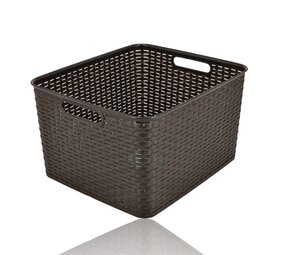
Large 28.5 litre plastic storage b...
Large 28.5 litre plasti...
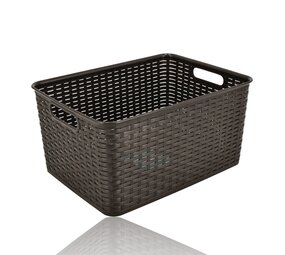
Spacious 18 litre plastic storage ...
Spacious 18 litre plast...
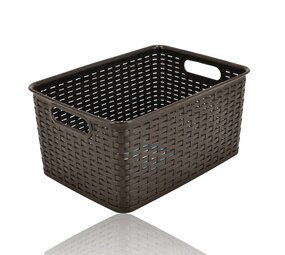
Brown 10 litre plastic storage bas...
Brown 10 litre plastic ...
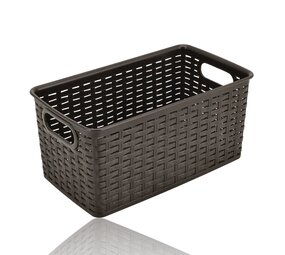
Compact 5 litre plastic storage ba...
Compact 5 litre plastic...
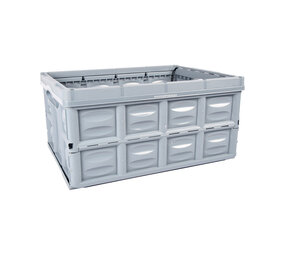
Blue 45 liter foldable crate made ...
Blue 45 liter foldable ...
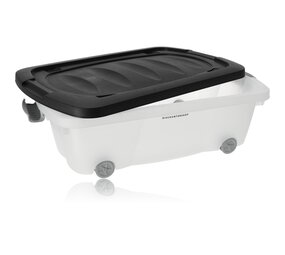
Are you looking for a handy soluti...
Are you looking for a h...
- Ordered on working days before 12:00, delivered the next day!
- Buy now, pay later
- Fast delivery in the Netherlands & Belgium
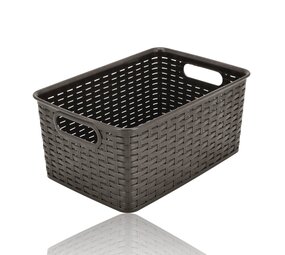
6 litre plastic storage basket wit...
6 litre plastic storage...
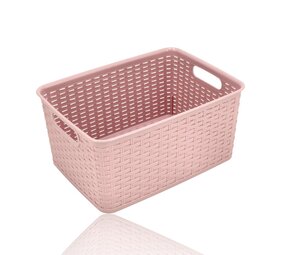
10L plastic storage basket with ra...
10L plastic storage bas...
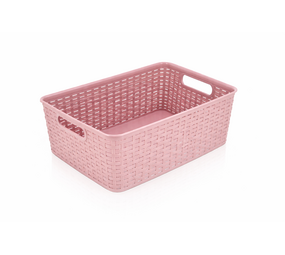
12L plastic storage basket with ra...
12L plastic storage bas...
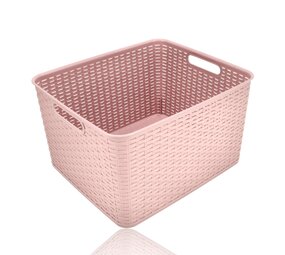
28.5L plastic storage basket with ...
28.5L plastic storage b...
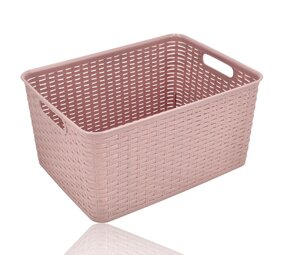
18L plastic storage basket with ra...
18L plastic storage bas...
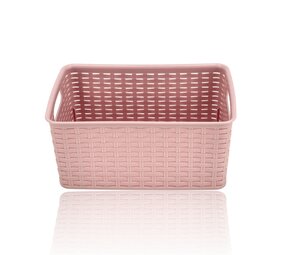
6L plastic storage basket with rat...
6L plastic storage bask...
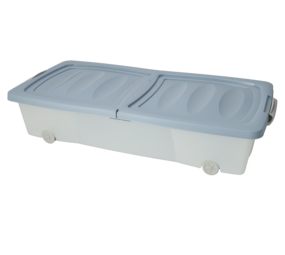
Are you looking for a practical an...
Are you looking for a p...
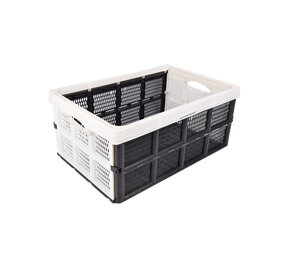
White-black 32 liter foldable crat...
White-black 32 liter fo...
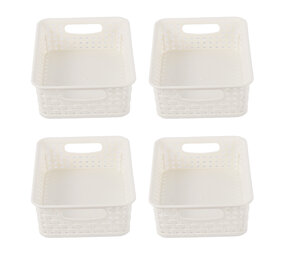
White plastic storage basket with ...
White plastic storage b...
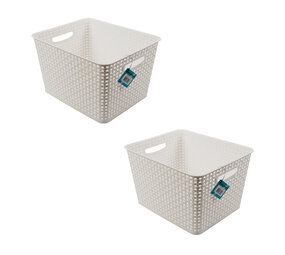
Conquer clutter with these strong ...
Conquer clutter with th...
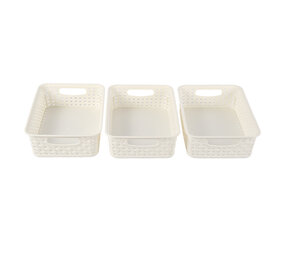
white storage baskets - light and ...
white storage baskets -...
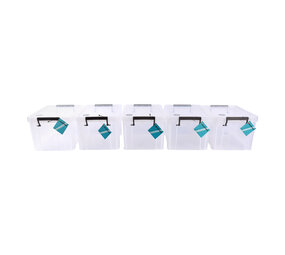
Organize your things effortlessly ...
Organize your things ef...
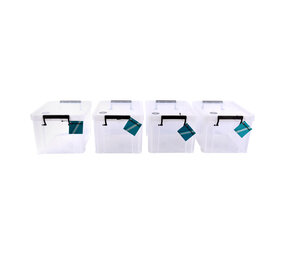
Keep your belongings organized wit...
Keep your belongings or...
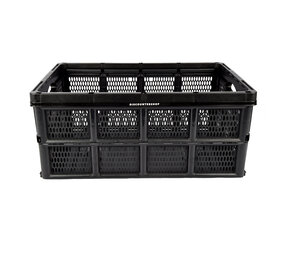
Convenient plastic folding crate f...
Convenient plastic fold...
Overige categorieën in Household, Living & Cooking
Bedroom organisers for clothes, jewellery, drawers and underbed storage
Bedroom organisers for clothes, wardrobes, drawers and accessories
An organised bedroom gives clothes, shoes, jewellery, bedding and everyday accessories a fixed place. Bedroom organisers help use the available space inside a wardrobe, in a drawer, on a dressing table, beside the bed or beneath the bed. At Discountershop, you can compare storage products for master bedrooms, small bedrooms, student rooms, guest rooms and children’s bedrooms.
The right organiser should match both its contents and its intended location. A drawer organiser is useful for socks and underwear, while a hanging wardrobe organiser creates extra compartments for folded clothes, bags or accessories. For spare bedding and seasonal clothing, an underbed storage organiser may be the better option.
View all bedroom organisers
Which bedroom organiser do you need?
Start with the storage problem rather than the product. Identify which belongings are difficult to find, take up too much space or regularly end up on a chair, bed or floor. Measure the intended storage area before selecting an organiser.
Common options include:
a wardrobe organiser for folded clothes;
a hanging organiser for vertical wardrobe storage;
a drawer organiser for socks and underwear;
an underbed organiser for bedding, clothes or shoes;
a jewellery organiser for necklaces, rings and earrings;
a makeup organiser for cosmetics and skincare products;
a shoe organiser for frequently worn footwear;
a bedside organiser for small everyday items;
a bed pocket organiser for a book, glasses or remote control;
storage baskets for shelves and open wardrobes.
Assigning one type of item to each organiser makes the layout easier to maintain after daily use.
Wardrobe organisers for more usable storage space
A wardrobe organiser divides a wide shelf or open section into smaller storage zones. T-shirts, trousers, jumpers, bags and accessories can then be grouped by type. Separate compartments also reduce the chance of pulling down an entire pile when removing one item.
Useful wardrobe storage products include:
hanging compartment organisers;
stackable clothes baskets;
shelf dividers;
garment covers;
handbag organisers;
belt and tie holders;
scarf organisers;
small baskets for accessories.
Measure the internal width, depth and height of the wardrobe before ordering. For a hanging wardrobe organiser, measure from the clothes rail to the shelf or wardrobe floor. A model that is too long may rest on the lower shelf, making its bottom compartments difficult to use.
Hanging wardrobe organisers
A hanging wardrobe organiser attaches to a clothes rail, hook or wardrobe door. It uses vertical space without requiring another piece of furniture. Open compartments can hold folded clothing, towels, bags or accessories.
Compare:
the attachment method;
the maximum load;
the number and size of compartments;
the overall width and depth;
the distance from the rail to the wardrobe floor;
the strength of the existing clothes rail;
whether the organiser folds when not in use.
Distribute weight between the compartments. Place heavier jeans and jumpers near the bottom and lighter items at the top to reduce sagging.
Drawer organisers for underwear, socks and accessories
A drawer organiser prevents small garments and accessories from shifting whenever the drawer is opened. Separate sections also make the contents visible without lifting several piles first.
Drawer dividers can be used for:
socks;
underwear;
bras;
ties;
belts;
watches;
hair accessories;
handkerchiefs;
nightwear;
small personal-care products.
Measure the usable interior of the drawer, not the outside of the cabinet. Account for drawer runners, curved sides, internal handles and hinges. Check the available height as well; an organiser that is too tall can prevent the drawer from closing.
Fixed or adjustable drawer compartments?
Fixed compartments provide a consistent layout and work well when the contents rarely change. Adjustable dividers allow the drawer to accommodate items of different sizes.
Choose fixed sections for recurring categories such as socks or underwear. Choose adjustable dividers if the drawer’s purpose changes during the year or if you need wider sections for bulkier accessories.
Underbed organisers for unused floor space
The area beneath a bed can hold belongings that are not needed every day. An underbed organiser, low storage box or storage bag can accommodate spare bedding, winter clothes, shoes, towels and seasonal items.
Measure the distance between the floor and the underside of the bed frame at several points. Support beams, legs or a sagging mattress can reduce the usable height in certain areas.
When comparing underbed storage, check:
the maximum external height;
the length and width;
a zip closure or fitted lid;
handles on the short or long sides;
wheels suitable for the floor;
protection against dust;
ventilation for textiles;
a clear lid or viewing window.
See underbed storage boxes if you need a rigid solution with a lid or wheels. A storage bag may suit soft textiles and bedding better.
Storing clothes by season
Rotating seasonal clothing can free space inside a wardrobe. Only store winter coats, thick jumpers or summer clothes when they are clean and completely dry. Stains and body oils can become more difficult to remove after prolonged storage.
Use this process:
Sort clothing by season and purpose.
Wash or clean each item according to its care label.
Allow everything to dry completely.
Fold garments without placing excessive weight on top.
Label the organiser with its contents and season.
Store it in a dry location.
Check the contents during each seasonal change.
Vacuum bags save space, but they are unsuitable for some materials. Down, leather and structured garments may lose their shape when compressed for long periods. Follow the relevant care instructions.
Jewellery organisers for necklaces, rings and earrings
A jewellery organiser helps prevent necklaces from tangling, earrings from becoming separated and rings from disappearing beneath other belongings. Select the layout according to the type and size of your collection.
Options include:
jewellery boxes with separate compartments;
padded ring rolls;
earring holders;
necklace stands with individual hooks;
drawer trays for watches and bracelets;
hanging jewellery organisers;
closable jewellery cases;
organisers with a mirror.
Keep necklaces separate and close each clasp before hanging it. Store pearls, stones and delicate metals on a soft surface. A jewellery organiser arranges its contents, but it does not automatically protect valuable items against theft. Use an appropriate secure location for valuables.
Makeup organisers for dressing tables and drawers
A makeup organiser separates cosmetics by product type and frequency of use. Lipsticks, mascara, brushes, skincare products and small accessories remain visible and easier to reach.
Possible sections include:
everyday makeup;
skincare products;
brushes and applicators;
lip products;
eye makeup;
nail-care products;
hair clips and hair ties;
travel-size products.
Store products upright when their packaging may leak. Clean the compartments regularly and check the period-after-opening symbol on cosmetics. Do not place makeup in direct sunlight or beside a radiator.
Organising a bedside table and bed area
A bedside table often collects a telephone, charger, glasses, medicines, jewellery, books and remote controls. A compact bedside organiser separates these articles without using much surface space.
It may provide space for:
reading glasses;
a telephone and charging cable;
a notebook and pen;
hand cream;
earplugs;
a watch;
remote controls;
small personal belongings.
A bed pocket organiser attaches to the frame or is held beneath the mattress. Check whether the attachment fits the bed construction and mattress thickness. Keep medicines out of children’s reach and follow the storage instructions on their packaging.
Organising shoes in the bedroom
Shoes take up considerable wardrobe and floor space when pairs are not stored together. A shoe organiser may fit inside a wardrobe, beneath the bed, behind a door or against a free wall.
Options include:
a hanging shoe organiser;
a compact shoe rack;
stackable shoe holders;
clear shoe boxes;
an underbed shoe organiser;
wardrobe compartments for shoes.
Allow worn shoes to air before placing them in closed storage. Remove dirt and moisture to limit odours and mould. When storing boots or high-top shoes, check the height of each compartment as well as its length.
Choose an organiser for your bedroom
How to organise a small bedroom
In a small bedroom, the position of storage matters as much as its capacity. Use areas that would otherwise remain empty before adding more furniture.
Consider:
the space beneath the bed;
the inside of a wardrobe door;
the full height of the wardrobe;
unused space above the clothes rail;
the bottom of the wardrobe;
drawers beneath a bed or cabinet;
narrow spaces beside furniture;
free wall space for lightweight organisers.
Avoid covering the floor with multiple small containers that have no defined purpose. Assign each organiser to one category and keep frequently used belongings within easy reach.
Bedroom organisers for children and teenagers
An organiser in a child’s or teenager’s bedroom should be simple to use. Open baskets, low compartments and clear labels make independent tidying easier.
Divide the room into zones for:
school clothes;
sportswear;
nightwear and underwear;
jewellery and hair accessories;
school supplies;
toys;
shoes;
laundry.
Keep heavy storage products at a low level and attach hanging systems according to their instructions. Keep cords, small parts and lockable containers away from young children.
Materials used for bedroom organisers
Bedroom storage organisers are available in several materials. The right choice depends on the contents, location, required support and cleaning method.
Fabric organisers
Fabric organisers are lightweight and often foldable. They are commonly used for clothes, textiles and accessories. Check whether the base and side panels provide enough support for the intended contents.
Plastic organisers
Plastic organisers can be wiped clean and are suitable for drawers, cosmetics, shoes and small accessories. Clear plastic makes the contents visible without opening each compartment.
Wooden and bamboo organisers
Wooden or bamboo dividers are often used inside drawers, on shelves and across dressing tables. Check the surface finish and avoid prolonged contact with moisture.
Metal organisers
Metal racks, baskets and over-door organisers provide a more rigid structure. Check for a protective coating or caps that help prevent scratches on furniture and doors.
Measuring before ordering a bedroom organiser
Accurate measurements reduce the chance of receiving an organiser that does not fit inside the wardrobe, drawer or under the bed. Record the usable width, depth and height.
Measure:
for a drawer organiser: the internal drawer dimensions;
for a hanging organiser: the distance from the clothes rail to the shelf or floor;
for underbed storage: the lowest clearance beneath the bed;
for an over-door organiser: the door thickness and clearance above it;
for a wardrobe organiser: the internal space and hinge positions;
for a shoe organiser: the length and height of the largest pair;
for a dressing-table organiser: the available surface and product height.
Allow a small margin rather than selecting a product with exactly the same measurements. Hinges, curved edges and uneven surfaces can reduce the practical space.
Open or closed bedroom storage?
Open organisers provide fast access to belongings used every day. Closed storage protects contents against dust and keeps personal items out of sight.
Open storage works well for:
everyday clothing;
belts and scarves;
frequently worn shoes;
personal-care products;
hair accessories.
Closed storage is generally better for:
seasonal clothing;
spare bedding;
delicate jewellery;
underbed belongings;
personal items;
textiles stored for longer periods.
A combination often works best: keep frequently used belongings open and accessible while storing less frequently used items in labelled, closed containers.
Bedroom organiser, storage box or storage basket?
| Product | Best application | Main characteristic |
|---|---|---|
| Bedroom organiser | Dividing clothes, drawers, jewellery and accessories | Targeted layout with several compartments |
| Storage box | Closed storage for clothes, shoes and textiles | Rigid and often stackable |
| Storage basket | Everyday belongings on shelves or in open wardrobes | Contents remain easy to reach |
| Storage case | Sorting small belongings by type | Compact and sometimes compartmentalised |
| Storage chest | Keeping many bulky belongings together | Large capacity and wide opening |
| Storage bag | Flexible storage for bedding and clothes | Lightweight, foldable and easy to move |
| Underbed box | Using the space beneath a bed | Low profile, often with a lid or wheels |
See the main storage and organisation category to compare storage products for different rooms and applications.
Keeping bedroom organisers clean and functional
An organiser remains effective when its layout reflects your daily routine. Schedule a short regular tidying session and remove belongings that no longer belong in the assigned section.
For cleaning and maintenance:
wipe plastic compartments with a soft, damp cloth;
clean fabric organisers according to their care label;
remove dust from corners with a soft brush;
clean makeup spills promptly;
inspect underbed storage during each seasonal change;
update labels when the contents change;
avoid overfilling drawers until the dividers move;
store only dry clothes and shoes.
Allow cleaned organisers to dry completely before replacing clothing, jewellery or cosmetics.
Watch storage guidance and product videos on YouTube
Visit the Discountershop YouTube channel for product demonstrations, applications and practical storage guidance. Videos can help you assess measurements, compartment layouts, attachment methods and how an organiser may be used in a bedroom.
Frequently asked questions about bedroom organisers
How can I prevent a fabric wardrobe organiser from sagging?
Do not exceed its maximum load and distribute the weight between the compartments. Place heavy jeans and jumpers in the lower sections. For heavier contents, choose a model with reinforced shelves.
How much clearance does an over-door organiser require?
Check the hook thickness and the gap between the top of the door and its frame. The door must close without resistance. Use protective pads if metal hooks could mark the surface.
Which organiser works best on deep wardrobe shelves?
Use pull-out baskets, containers with handles or separate organisers that can be moved forwards. Keep less frequently used belongings at the back and everyday clothing near the front.
How do I stop drawer dividers from moving?
Choose adjustable dividers with non-slip ends or an insert that covers most of the drawer base. Do not pack the sections so tightly that the contents push against the dividers.
Can shoes be stored directly under a bed?
Yes, provided they are clean and dry and the organiser offers appropriate ventilation. A closed underbed box reduces dust exposure, but worn shoes should be aired first.
Which organiser is suitable for long necklaces?
A vertical jewellery holder with separate hooks reduces tangling. Leave space between necklaces and fasten each clasp before hanging it.
Can perfume be stored in a clear makeup organiser?
Yes, but keep it away from direct sunlight and heat. Light and high temperatures can affect its scent and composition, so a cool, shaded location is better for longer storage.
How should I divide a shared wardrobe?
Assign each person fixed shelves, drawers or compartments. Use labels where helpful and create separate sections for shared items such as bedding or towels.
What should not be stored beneath a bed?
Avoid damp clothing, food, flammable substances and items requiring frequent inspection. Protect documents and electronics against dust, moisture and temperature changes.
How often should I reorganise a clothes organiser?
Review the layout during a seasonal change or when compartments repeatedly overflow. Frequent rearrangement is unnecessary when each category has enough space.
Is an open organiser suitable for a dusty bedroom?
Open compartments collect dust faster. Use closed boxes, garment covers or zippered organisers for less frequently worn clothing. Keep only regularly used clothes in open sections and clean them periodically.
How can I organise accessories without using drawer space?
Use a hanging organiser, over-door storage, jewellery stand or narrow wall organiser. Assign one fixed area to small accessories so that the bedside table and dressing table remain clear.
Turn unused areas into practical bedroom storage
The right bedroom organisers give clothes, shoes, jewellery, makeup and bedding a fixed location. Measure the wardrobe, drawer, door or underbed area first, then compare the dimensions, compartment layout, attachment method and load capacity.
