
 Household, Living & Cooking
 Outdoor, Travel & Sports
 DIY, Garden & Animals
 Fashion accessories & Shoes
 Car & Motor
 Computer & Electronics
 Office & School
 Beautiful & Healthy
 Toys
Toys Eat Drink
 Baby
Baby Christmas
 King's Day


 8
8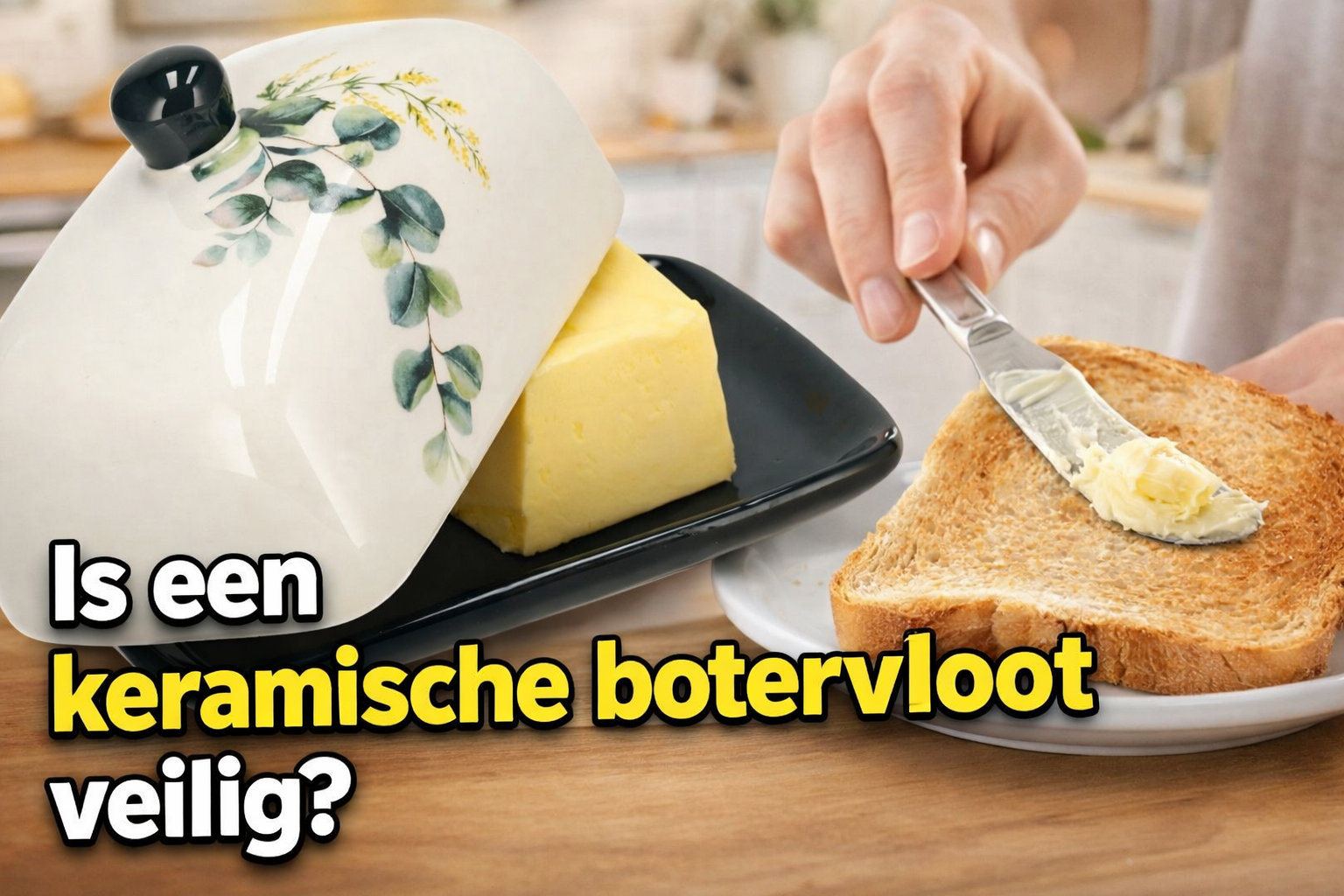
Is a Ceramic Butter Dish Safe? A Complete Guide to Natural & Chemical Safety
Is a Ceramic Butter Dish Safe? Everything You Need to Know
What is a ceramic butter dish?
A ceramic butter dish is a container used to store butter at room temperature or in the fridge. It usually comes with a base and a lid, and is designed to keep butter fresh while making it easy to use.
People often choose ceramic because it is sturdy, easy to clean, and does not absorb smells.
Many people ask the same question when switching away from plastic kitchenware: is a ceramic butter dish safe for everyday use? With growing awareness about food safety, chemical exposure, and natural materials, this question matters more than ever.
The short answer is yes — a ceramic butter dish is safe, hygienic, and one of the best ways to store butter naturally. But the real value lies in why ceramic is safe. In this article, we explore the chemical composition of ceramic, its organic properties, how it performs in extreme cold weather, and why the Discountershop ceramic butter dish stands out as a smart kitchen essential.
Why a Ceramic Butter Dish Is Safe for Food Storage
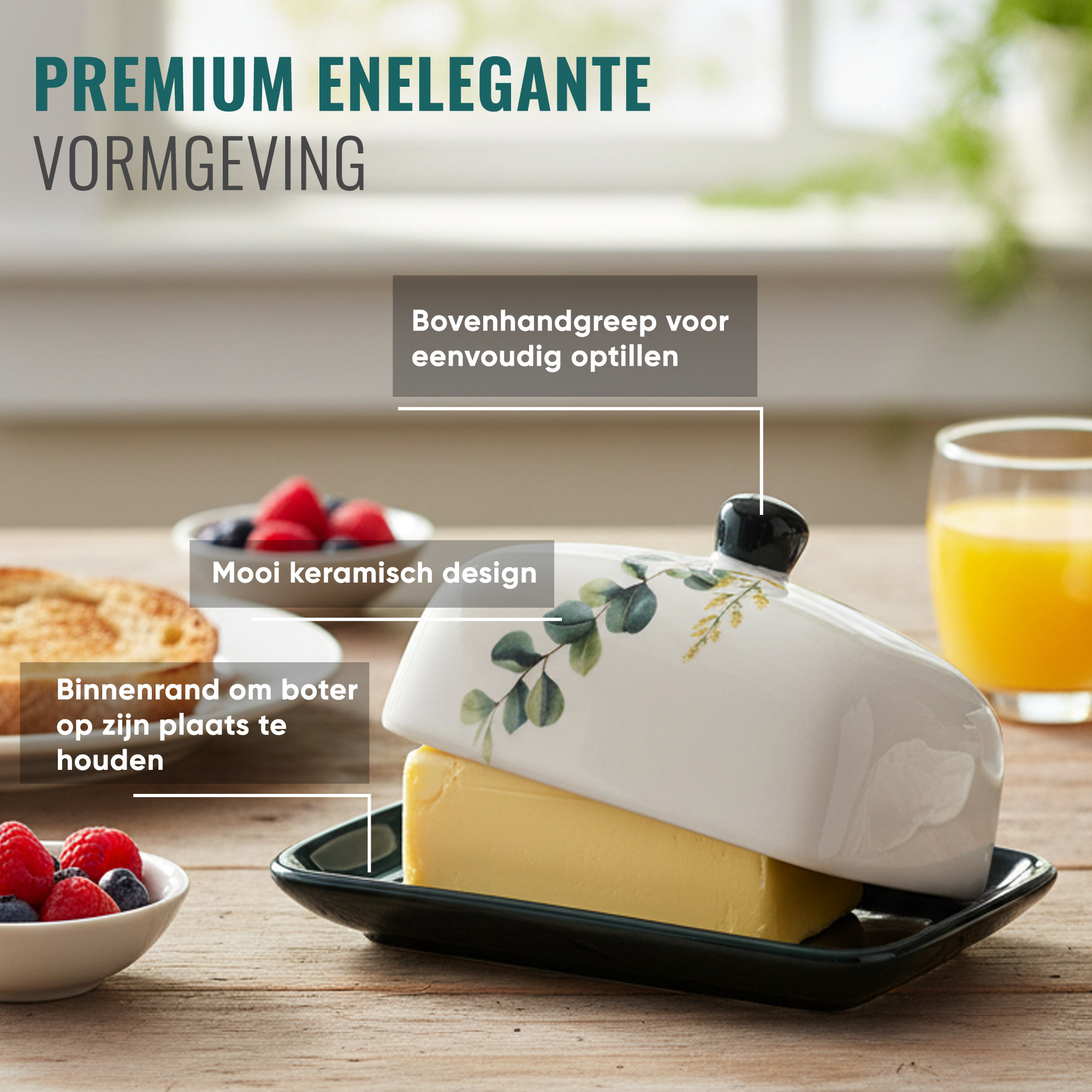
To understand why a ceramic butter dish is safe, we need to look at what ceramic actually is. Ceramic is made from natural clay minerals, water, and heat. During the firing process, ceramic is baked at extremely high temperatures, transforming it into a chemically stable, non-reactive material.
This stability is key. Ceramic does not react with fats, does not leach chemicals, and does not alter the taste or smell of food. That’s why ceramic has been used for centuries in cookware and food storage.
Most modern ceramic dishes are coated with a glaze that prevents chemicals from leaking into food. This makes them suitable for daily use.
To be safe:
- Choose products labeled as food-safe
- Avoid damaged or cracked ceramic
- Wash before first use
When you choose a ceramic butter dish, you are choosing a material that remains neutral even with daily use.
Chemical Composition: Why Ceramic Does Not Leach Harmful Substances
Unlike plastic, ceramic contains no BPA, phthalates, or synthetic additives. A butter dish without plastic eliminates the risk of chemical migration — especially important when storing butter, which is high in fat and more likely to absorb contaminants.
Ceramic’s molecular structure becomes crystallized and locked during firing. This creates a non-porous surface that prevents:
Chemical leaching
Odor absorption
Bacterial penetration
That’s why ceramic is considered food-safe ceramic and why a butter dish without BPA is naturally achieved when plastic is removed from the equation.
The Natural Advantages of Storing Butter in Ceramic
Choosing butter storage ceramic offers several practical and health-focused advantages.
Ceramic:
Does not absorb moisture, odors, or stains
Keeps butter fresh without contamination
Maintains a stable temperature longer than metal or glass
Creates a hygienic barrier against bacteria
A natural butter dish allows butter to breathe without drying out. This makes it easier to keep butter fresh while preserving its original texture and flavor.
For people looking for safe butter storage, ceramic consistently outperforms synthetic alternatives.
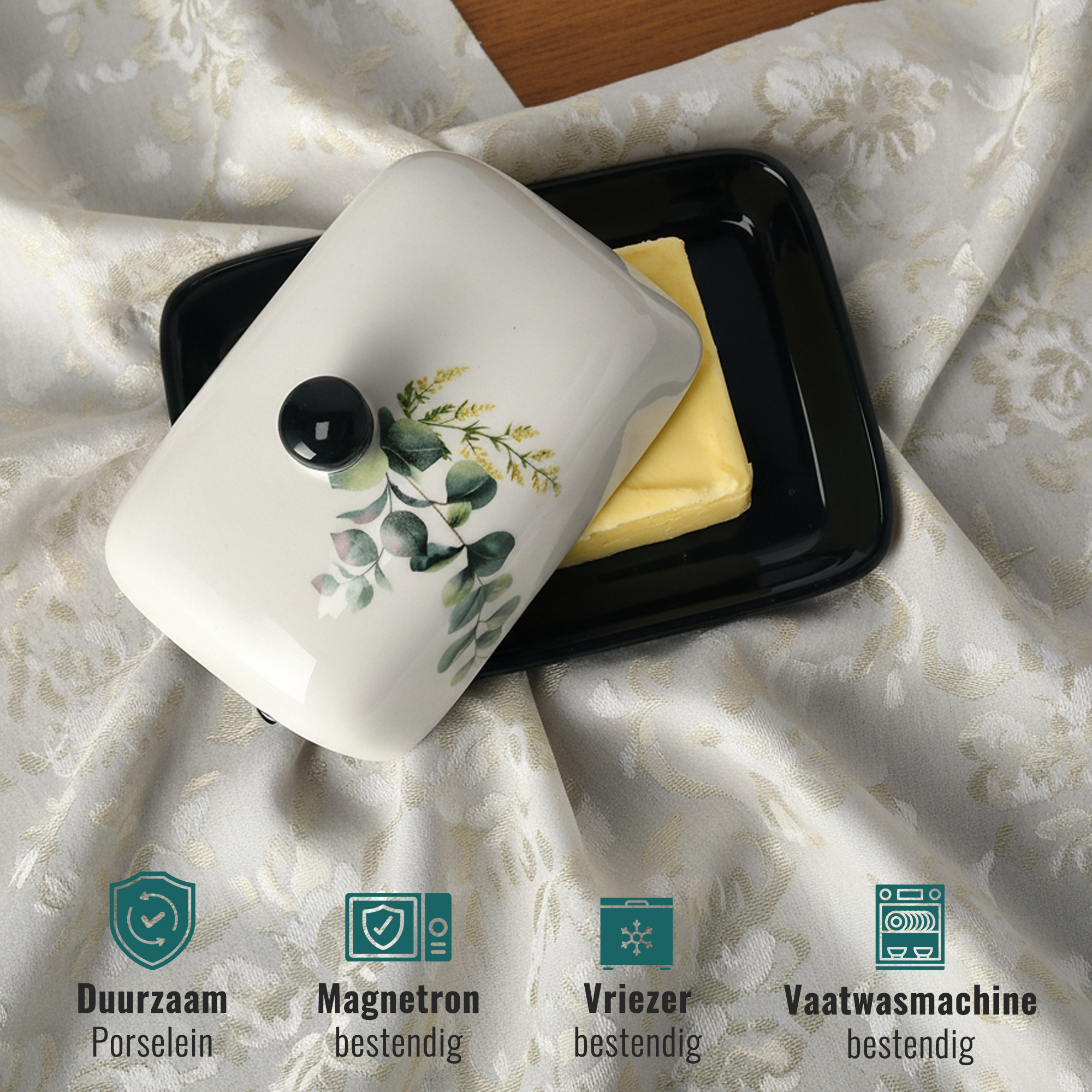
Benefits of a ceramic butter dish
- Keeps butter at a stable temperature
- Does not absorb odors or flavors
- Easy to clean
- Suitable for both fridge and countertop use
- Heavier than plastic, so it stays in place
Downsides to consider
- Can break if dropped
- Usually not airtight
- Slightly heavier than plastic options
Ceramic vs other materials
| Material | Advantages | Disadvantages |
|---|---|---|
| Ceramic | Stable temperature, no odor absorption | Breakable |
| Plastic | Lightweight, low cost | Can absorb smell over time |
| Glass | Easy to clean, hygienic | Fragile |
| Stainless steel | Durable | Less common, can feel cold |
How to Use a Ceramic Butter Dish in Cold Weather
One common concern is how butter behaves in winter. In extreme cold weather, butter can harden quickly. A ceramic butter dish actually helps regulate this.
Ceramic reacts slowly to temperature changes. That means it buffers cold air, preventing butter from becoming rock-hard as fast as it would on an exposed plate.
Best practices for winter use:
Store the butter dish away from windows
Keep the lid closed to reduce moisture loss
Cut butter into smaller portions for easy spreading
Use ceramic for butter storage without refrigerator at normal room temperatures
This makes a butter dish for daily use practical year-round.
When should you choose ceramic?
A ceramic butter dish is a good choice if:
- You use butter daily
- You keep butter outside the fridge for easy spreading
- You want something stable that doesn’t move easily
Features That Make a Ceramic Butter Dish Safe
Not all butter dishes offer the same level of safety. A truly healthy butter dish includes:
Food-safe ceramic construction
A smooth, glazed surface
A well-fitting lid for hygiene
A stable base for everyday handling
The Discountershop ceramic butter dish is designed with these exact features in mind, making it a durable butter dish built for long-term kitchen use.
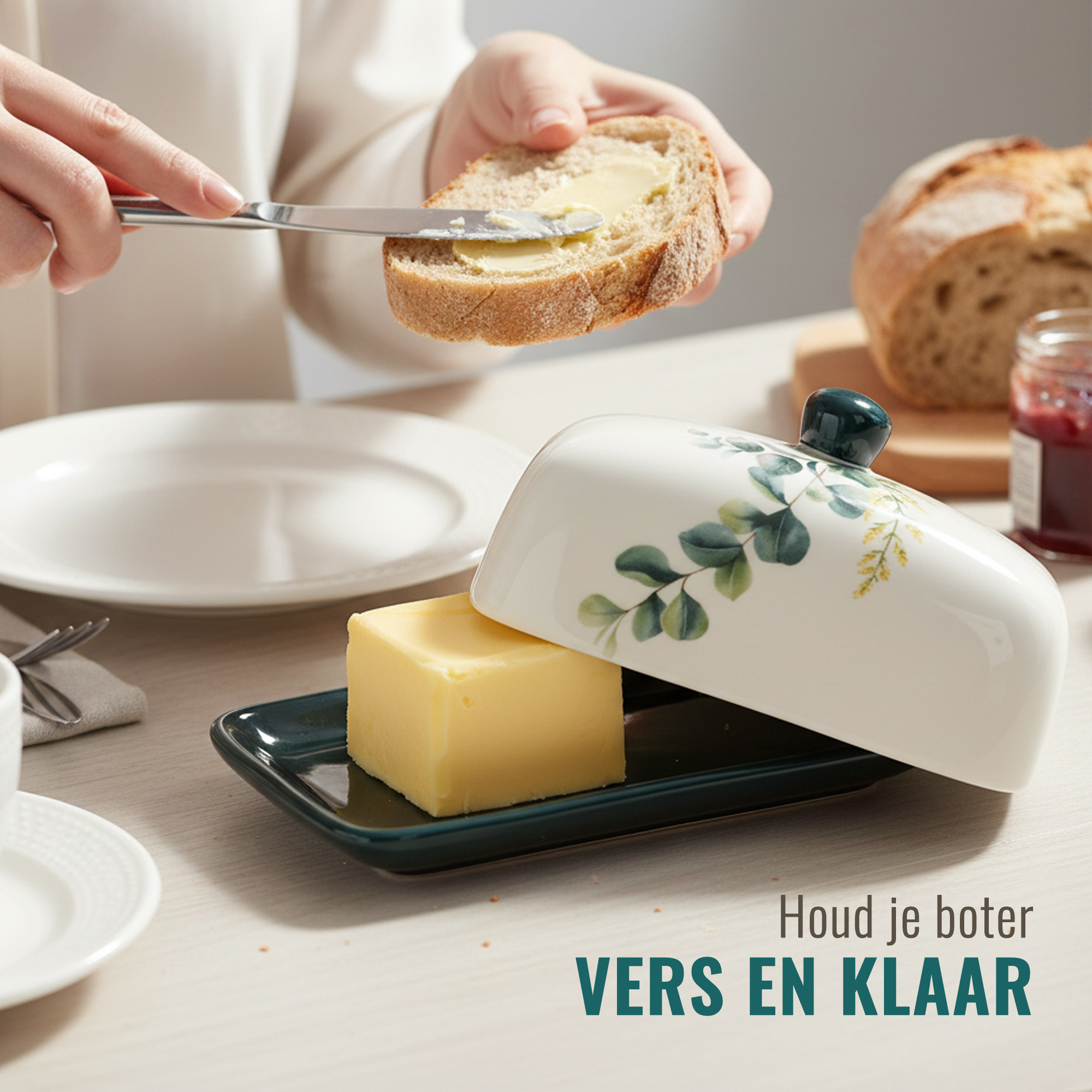
What should you look for when buying a butter dish?
Before choosing one, check:
- Size (fits standard butter blocks)
- Lid fit (loose or tight)
- Material quality
- Easy to clean design
Why Choose the Discountershop Ceramic Butter Dish?
The Discountershop butter dish combines safety, simplicity, and reliability. It is designed for people who want butter safe storage without unnecessary materials or risks.
Why customers choose it:
No plastic, no BPA, no chemical coatings
Ideal for butter dish for kitchen setups
Easy to clean and maintain
Suitable for daily, year-round use
For shoppers searching for a butter dish that prioritizes safety and practicality, this product checks every box.
Recommended ceramic butter dish
If you're looking for a simple and reliable option, this ceramic butter dish is a practical choice.
- Fits standard butter size
- Easy to clean
- Suitable for daily use
View product on Discountershop
Check price on Bol
Check price on Amazon
A ceramic butter dish is a safe and practical option for storing butter. It works well for everyday use and keeps butter easy to spread.
If you want something simple and reliable, ceramic is a good choice.
FAQ
Can butter be stored outside the fridge?
Yes, for short periods. Keep it covered and away from heat.
How long does butter stay fresh in a butter dish?
Usually a few days at room temperature, depending on temperature and hygiene.
Is ceramic better than plastic?
Ceramic does not absorb smells and is more stable, but plastic is lighter and cheaper.
Recent articles

Is a Ceramic Butter Dish Safe? A Complete Guide to Natural & Chemical Safety

Subscribe to Our YouTube Channel for Smart Shopping and Product Videos

5 Must-Have Original Christmas Gifts You Can’t Miss This Year
Why Waste Sorting Matters to My Family: The Importance of Recycling and Sustainability