 Household, Living & Cooking
 Outdoor, Travel & Sports
 DIY, Garden & Animals
 Fashion accessories & Shoes
 Car & Motor
 Computer & Electronics
 Office & School
 Beautiful & Healthy
 Toys
Toys Eat Drink
 Baby
Baby Christmas
 King's Day


 8
8Charcoal for Kamados, Kettle Barbecues and Direct Grilling
Charcoal
Charcoal is carbonized wood used as barbecue fuel in a kamado, kettle barbecue, open grill or another suitable charcoal appliance. Its irregular pieces respond quickly to changes in airflow and can reach high grilling temperatures. At Discountershop, you can compare BBQ charcoal by wood type, origin, lump size, pack size and recommended application.
BBQ charcoal for different barbecues
Not every bag contains pieces of the same size. Large lumps generally leave more open space between them, allowing air to move more easily through the fuel bed. Small pieces fill the gaps and may restrict airflow when packed closely together. Charcoal dust and fragments can also partially obstruct the charcoal grate or air openings.
Charcoal can be used for:
direct grilling above hot coals;
cooking with two temperature zones;
short, high-temperature grilling;
indirect cooking with a suitable setup;
temperature control in a kamado;
cooking with suitable barbecue pans or Dutch ovens.
Always consult the barbecue instructions. Not every appliance is suitable for charcoal, and different models have different fuel and temperature limits.
Which charcoal suits your cooking method?
Look beyond the weight of the bag when buying charcoal. The distribution of lump sizes, wood type and amount of dust may affect lighting, airflow and temperature control.
Compare:
wood type or combination of woods;
country or region of origin;
presence of a sourcing certification;
average lump size;
amount of dust and small fragments;
pack weight;
recommended barbecue type;
suitability for direct, indirect or longer cooking;
storage instructions.
Larger lumps are often chosen for kamados because the gaps between them support airflow. A mix of medium and smaller pieces may work in a compact grill. However, the barbecue and charcoal manufacturers’ instructions should always take priority.
Charcoal or briquettes?
Charcoal consists of irregular pieces of carbonized wood. Briquettes are shaped blocks made from compressed material. Charcoal generally responds more quickly when air vents are opened or closed and can reach a high temperature rapidly. Briquettes are commonly chosen when an evenly arranged fire and longer cooking session are required.
The appropriate fuel depends on the barbecue, recipe, target temperature and cooking time. Only combine different fuels if the manufacturers of the appliance and fuel permit it.
Placing charcoal in the barbecue
Remove old, completely cold ash before lighting the barbecue. Ash beneath the charcoal grate can restrict airflow. Check that the air vents are unobstructed and move correctly.
Arrange the charcoal according to the cooking method:
Direct grilling: position the coals beneath the food.
Indirect grilling: leave an area without coals and place the food above it.
Two-zone cooking: create one hot zone with more charcoal and a cooler zone with little or no fuel.
Kamado cooking: fill the firebox according to the appliance instructions and keep dust away from the air holes.
Do not empty an entire bag into the barbecue without checking its contents. Charcoal dust can become airborne and restrict the airflow. Pour or scoop the pieces carefully, keeping your face away from the dust.
View all BBQ charcoal
Lighting charcoal safely
Only use a charcoal barbecue outdoors. Burning and smouldering charcoal produces carbon monoxide. Never put a charcoal barbecue inside a home, garage, shed, tent or other enclosed area. Avoid using it on a balcony where smoke may enter the building.
Follow these safety steps:
Position the barbecue on a stable, level and heat-resistant surface.
Keep sufficient distance from fences, hedges, furniture and combustible covers.
Check that the appliance is clean, intact and stable.
Use suitable Firelighters according to their label.
Ignite the fire-starting product with a long Lighter.
Never use petrol, methylated spirits, paraffin oil or similar liquids.
Never pour combustible liquid onto burning or smouldering charcoal.
Keep children, animals and loose clothing away.
Wear heat-resistant barbecue gloves when moving grates or coals.
Do not move the barbecue after the charcoal has been lit.
A Chimney Starter can also be used to ignite charcoal when the starter is suitable for it. Do not fill it beyond its stated capacity, and account for the irregular size of the lumps.
Controlling heat and flare-ups
The lower vent controls how much oxygen reaches the fuel. The upper vent helps release heated air and smoke. Adjust the vents in small steps and wait for the temperature to respond.
Opening the lid of a hot barbecue can suddenly introduce additional oxygen. This may cause the fire to flare up. Open the lid carefully according to the appliance instructions, and keep your face away from the barbecue.
Fat dripping onto hot charcoal can produce flames. Move the food to a cooler zone and adjust the airflow. Do not spray water onto hot coals without considering the appliance instructions. Steam, sparks and ash can rise suddenly, and the barbecue may be damaged.
Extinguishing, ash disposal and storage
Follow the barbecue instructions when extinguishing the fuel. Black charcoal is not necessarily cold. Coals and ash can begin glowing again when exposed to oxygen.
Place apparently cold remnants in a metal or galvanized bucket and leave it outdoors, away from combustible materials. Dutch fire-safety guidance recommends waiting approximately five days before placing barbecue ash in general waste. Never put it in organic waste or on a compost heap.
Store unused charcoal in its closed original bag or a suitable dry container. Keep it away from fire, hot barbecues and other ignition sources. Damp charcoal may be harder to ignite, produce extra smoke and react unpredictably.
View the charcoal available at Discountershop and choose a pack suited to your barbecue, cooking method and frequency of use.
Choose charcoal for your barbecue
Watch our charcoal videos on YouTube
Visit our YouTube channel for product videos about BBQ charcoal and barbecue accessories. See the packaging, lump size and recommended application. The videos help you compare charcoal for kamados, kettle barbecues and grills while showing which lighting products can be used alongside it.
Frequently asked questions about charcoal
1. Which lump size is suitable for a kamado?
Larger lumps leave more open space for airflow and are therefore often used in kamados. Follow the appliance instructions and prevent small fragments from blocking the air holes.
2. Why does charcoal produce sparks while lighting?
Sparks may result from airflow, moisture, small particles or characteristics of the wood. Keep your distance, wear suitable clothing and do not barbecue when sparks could spread uncontrollably.
3. Why are there broken pieces at the bottom of the bag?
Charcoal is brittle and may break during transport and storage. Small pieces are not automatically unusable, but excessive dust and fragments can restrict airflow.
4. What should you do with charcoal dust from the bag?
Avoid inhaling the dust or allowing it to become airborne. Do not pour it directly over ventilation holes. Follow the disposal instructions on the packaging and wash your hands after contact.
5. Can you mix charcoal made from different wood species?
Only when both products are suitable for the barbecue and cooking method. Different charcoal types may respond differently to airflow and have different burn times.
6. Why does the temperature rise when you open the lid?
Opening the lid can provide the hot charcoal with additional oxygen. This may accelerate combustion and cause flames to rise suddenly.
7. Can charcoal still be used after the bag gets wet?
Check the packaging and manufacturer’s instructions. Damp charcoal may ignite poorly and burn unevenly. Never dry charcoal beside an open flame, stove or another heat source.
8. How can you identify restricted airflow in a kamado?
The temperature may struggle to rise despite sufficient fuel, while ash, dust or small pieces block the air holes. Allow the appliance to cool safely before removing an obstruction.
9. Can charcoal be used in a tabletop barbecue?
Only when the manufacturer has designed the appliance for charcoal. Use it outdoors on a stable, heat-resistant surface and prevent heat from damaging the table.
10. What does FSC mean on a bag of charcoal?
The FSC label concerns the origin of the wood from responsibly managed forests and controlled sources. Check the certification logo and product claims on the packaging.
The one-time picnic disposable barbecue is the solution for a 'last minute' barbecue or just for taking on holiday.
The one-time picnic dispo...
Metal charcoal chimney starter measuring 17 x 27.5 cm with a 27 cm long BBQ lighter. Suitable for lighting and preparing...
Metal charcoal chimney st...
Disposable Charcoal Barbecue measuring 48 x 30.2 x 9 cm with 1.45 kg charcoal, metal grill rack, lighting paper and stan...
Disposable Charcoal Barbe...
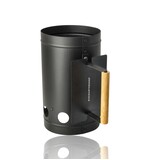
Black metal charcoal chimney starter measuring 27.5 x 16 cm, with a wooden handle and ventilation openings. Suitable for...
Black metal charcoal chim...
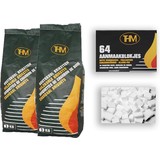
2X charcoal briquettes of 3 KG including firelighters 64 Pieces - Barbecue - BBQ - 2 Pieces
2X charcoal briquettes of...
Barbecue firelighters - BBQ firelighters - BBQ - Firelighters THM white paraffin 64 pieces in a pack
Barbecue firelighters - B...
- Ordered on working days before 12:00, delivered the next day!
- Buy now, pay later
- Fast delivery in the Netherlands & Belgium
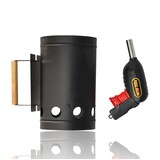
Two-piece charcoal starter set with a black metal chimney starter measuring approximately 17 x 27.5 cm and a manual BBQ ...
Two-piece charcoal starte...
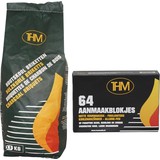
Charcoal Briquettes with FREE Firelighters!
Charcoal Briquettes with ...
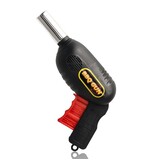
Manual charcoal air blower measuring 15 x 10 cm with a metal nozzle and trigger operation. Provides targeted airflow for...
Manual charcoal air blowe...
Overige categorieën in Household, Living & Cooking
Charcoal for Kamados, Kettle Barbecues and Direct Grilling
Charcoal
Charcoal is carbonized wood used as barbecue fuel in a kamado, kettle barbecue, open grill or another suitable charcoal appliance. Its irregular pieces respond quickly to changes in airflow and can reach high grilling temperatures. At Discountershop, you can compare BBQ charcoal by wood type, origin, lump size, pack size and recommended application.
BBQ charcoal for different barbecues
Not every bag contains pieces of the same size. Large lumps generally leave more open space between them, allowing air to move more easily through the fuel bed. Small pieces fill the gaps and may restrict airflow when packed closely together. Charcoal dust and fragments can also partially obstruct the charcoal grate or air openings.
Charcoal can be used for:
direct grilling above hot coals;
cooking with two temperature zones;
short, high-temperature grilling;
indirect cooking with a suitable setup;
temperature control in a kamado;
cooking with suitable barbecue pans or Dutch ovens.
Always consult the barbecue instructions. Not every appliance is suitable for charcoal, and different models have different fuel and temperature limits.
Which charcoal suits your cooking method?
Look beyond the weight of the bag when buying charcoal. The distribution of lump sizes, wood type and amount of dust may affect lighting, airflow and temperature control.
Compare:
wood type or combination of woods;
country or region of origin;
presence of a sourcing certification;
average lump size;
amount of dust and small fragments;
pack weight;
recommended barbecue type;
suitability for direct, indirect or longer cooking;
storage instructions.
Larger lumps are often chosen for kamados because the gaps between them support airflow. A mix of medium and smaller pieces may work in a compact grill. However, the barbecue and charcoal manufacturers’ instructions should always take priority.
Charcoal or briquettes?
Charcoal consists of irregular pieces of carbonized wood. Briquettes are shaped blocks made from compressed material. Charcoal generally responds more quickly when air vents are opened or closed and can reach a high temperature rapidly. Briquettes are commonly chosen when an evenly arranged fire and longer cooking session are required.
The appropriate fuel depends on the barbecue, recipe, target temperature and cooking time. Only combine different fuels if the manufacturers of the appliance and fuel permit it.
Placing charcoal in the barbecue
Remove old, completely cold ash before lighting the barbecue. Ash beneath the charcoal grate can restrict airflow. Check that the air vents are unobstructed and move correctly.
Arrange the charcoal according to the cooking method:
Direct grilling: position the coals beneath the food.
Indirect grilling: leave an area without coals and place the food above it.
Two-zone cooking: create one hot zone with more charcoal and a cooler zone with little or no fuel.
Kamado cooking: fill the firebox according to the appliance instructions and keep dust away from the air holes.
Do not empty an entire bag into the barbecue without checking its contents. Charcoal dust can become airborne and restrict the airflow. Pour or scoop the pieces carefully, keeping your face away from the dust.
View all BBQ charcoal
Lighting charcoal safely
Only use a charcoal barbecue outdoors. Burning and smouldering charcoal produces carbon monoxide. Never put a charcoal barbecue inside a home, garage, shed, tent or other enclosed area. Avoid using it on a balcony where smoke may enter the building.
Follow these safety steps:
Position the barbecue on a stable, level and heat-resistant surface.
Keep sufficient distance from fences, hedges, furniture and combustible covers.
Check that the appliance is clean, intact and stable.
Use suitable Firelighters according to their label.
Ignite the fire-starting product with a long Lighter.
Never use petrol, methylated spirits, paraffin oil or similar liquids.
Never pour combustible liquid onto burning or smouldering charcoal.
Keep children, animals and loose clothing away.
Wear heat-resistant barbecue gloves when moving grates or coals.
Do not move the barbecue after the charcoal has been lit.
A Chimney Starter can also be used to ignite charcoal when the starter is suitable for it. Do not fill it beyond its stated capacity, and account for the irregular size of the lumps.
Controlling heat and flare-ups
The lower vent controls how much oxygen reaches the fuel. The upper vent helps release heated air and smoke. Adjust the vents in small steps and wait for the temperature to respond.
Opening the lid of a hot barbecue can suddenly introduce additional oxygen. This may cause the fire to flare up. Open the lid carefully according to the appliance instructions, and keep your face away from the barbecue.
Fat dripping onto hot charcoal can produce flames. Move the food to a cooler zone and adjust the airflow. Do not spray water onto hot coals without considering the appliance instructions. Steam, sparks and ash can rise suddenly, and the barbecue may be damaged.
Extinguishing, ash disposal and storage
Follow the barbecue instructions when extinguishing the fuel. Black charcoal is not necessarily cold. Coals and ash can begin glowing again when exposed to oxygen.
Place apparently cold remnants in a metal or galvanized bucket and leave it outdoors, away from combustible materials. Dutch fire-safety guidance recommends waiting approximately five days before placing barbecue ash in general waste. Never put it in organic waste or on a compost heap.
Store unused charcoal in its closed original bag or a suitable dry container. Keep it away from fire, hot barbecues and other ignition sources. Damp charcoal may be harder to ignite, produce extra smoke and react unpredictably.
View the charcoal available at Discountershop and choose a pack suited to your barbecue, cooking method and frequency of use.
Choose charcoal for your barbecue
Watch our charcoal videos on YouTube
Visit our YouTube channel for product videos about BBQ charcoal and barbecue accessories. See the packaging, lump size and recommended application. The videos help you compare charcoal for kamados, kettle barbecues and grills while showing which lighting products can be used alongside it.
Frequently asked questions about charcoal
1. Which lump size is suitable for a kamado?
Larger lumps leave more open space for airflow and are therefore often used in kamados. Follow the appliance instructions and prevent small fragments from blocking the air holes.
2. Why does charcoal produce sparks while lighting?
Sparks may result from airflow, moisture, small particles or characteristics of the wood. Keep your distance, wear suitable clothing and do not barbecue when sparks could spread uncontrollably.
3. Why are there broken pieces at the bottom of the bag?
Charcoal is brittle and may break during transport and storage. Small pieces are not automatically unusable, but excessive dust and fragments can restrict airflow.
4. What should you do with charcoal dust from the bag?
Avoid inhaling the dust or allowing it to become airborne. Do not pour it directly over ventilation holes. Follow the disposal instructions on the packaging and wash your hands after contact.
5. Can you mix charcoal made from different wood species?
Only when both products are suitable for the barbecue and cooking method. Different charcoal types may respond differently to airflow and have different burn times.
6. Why does the temperature rise when you open the lid?
Opening the lid can provide the hot charcoal with additional oxygen. This may accelerate combustion and cause flames to rise suddenly.
7. Can charcoal still be used after the bag gets wet?
Check the packaging and manufacturer’s instructions. Damp charcoal may ignite poorly and burn unevenly. Never dry charcoal beside an open flame, stove or another heat source.
8. How can you identify restricted airflow in a kamado?
The temperature may struggle to rise despite sufficient fuel, while ash, dust or small pieces block the air holes. Allow the appliance to cool safely before removing an obstruction.
9. Can charcoal be used in a tabletop barbecue?
Only when the manufacturer has designed the appliance for charcoal. Use it outdoors on a stable, heat-resistant surface and prevent heat from damaging the table.
10. What does FSC mean on a bag of charcoal?
The FSC label concerns the origin of the wood from responsibly managed forests and controlled sources. Check the certification logo and product claims on the packaging.