 Household, Living & Cooking
 Outdoor, Travel & Sports
 DIY, Garden & Animals
 Fashion accessories & Shoes
 Car & Motor
 Computer & Electronics
 Office & School
 Beautiful & Healthy
 Toys
Toys Eat Drink
 Baby
Baby Christmas
 King's Day


 8
8Barista Accessories for Coffee Bars, Offices and Hospitality
Barista Accessories from Coffee Bean to Finished Cup
A coffee station does not become better simply because more equipment is placed around the machine. What matters is how smoothly someone can move from whole beans to a finished drink. Where are the beans ground? Does the cup fit under the coffee outlet? Can guests find a spoon without opening several drawers? And can the station be reset quickly after the morning rush?
That is why Barista Accessories at Discountershop can be useful far beyond a traditional café. They also suit office coffee corners, B&B breakfast rooms, Airbnbs, hostels, coworking spaces and home coffee bars. Within Coffee & Tea Accessories, you can build the rest of the station around the drinks you actually prepare.
Start with the coffee bean: grinding affects more than speed
Once coffee beans are ground, much more surface area is exposed to air. For that reason, grinding a large quantity far in advance is not always practical when the coffee will only be brewed later.
An electric coffee grinder is useful when your coffee station works with whole beans. Grind the amount needed for the next preparation where possible and match the grind size to the brewing method being used.
Grind size matters because water behaves differently when passing through fine and coarse coffee particles. A grind that is too fine or too coarse for the chosen brewing method can change extraction time and the resulting flavour.
Keep whole beans dry and stored in a well-sealed container. The grinder itself is best placed in a dry preparation zone rather than directly beside a sink, kettle or milk station, where coffee grounds and moisture can easily mix.
A coffee cup needs to fit both the machine and the recipe
A cup with a stated capacity of 200 ml does not need to be filled to the rim. The finished drink may contain coffee, milk and foam while still requiring some empty space at the top so it can be carried without spilling.
Instead of choosing cups only by names such as espresso, cappuccino or lungo, measure how much liquid your machine actually produces.
Within Cups & Mugs, compare capacity, height and shape. The clearance underneath the coffee outlet is especially important when a cup needs to sit directly under a machine.
For a café or breakfast area where drinks are served with food, the wider Tableware range can support the dining setup without turning the coffee counter into storage for every plate and bowl.
To-go cups require different checks from ordinary coffee mugs
A reusable 450 or 500 ml travel cup offers much more capacity than a traditional coffee cup. That makes it useful for larger coffees, tea, iced coffee or drinks taken on the move, but it does not automatically suit every coffee machine.
Before choosing one, check:
- total cup height against machine clearance;
- practical drinking capacity rather than maximum capacity;
- how securely the lid closes;
- whether the product is specifically described as leak-resistant;
- cup width for vehicle cup holders;
- cleaning instructions for both cup and lid;
- whether the material suits the intended drink temperature.
In an office coffee station, keeping large travel mugs in their own area also prevents them from being mixed back in with smaller espresso and coffee cups.
Give milk drinks their own preparation zone
Cappuccino, café latte and flat white introduce another stage into the workflow. Once milk is involved, available counter space and cleaning become more important.
Milk Frothers can be used for frothing milk or suitable plant-based alternatives without requiring a large professional steam system.
A compact handheld or electric frother takes up little space, which makes it useful in an office, guest kitchen or home coffee bar. Parts that come into contact with milk should be cleaned promptly according to the product instructions. Dried milk residue is harder to remove and may build up around the whisk.
Cappuccino stencils belong at the end of the process
Cappuccino or coffee stencils are presentation tools rather than milk-preparation tools. They should therefore be used only once the coffee and milk foam are ready.
Hold the stencil close above the foam without letting it touch the surface. Dust a small amount of cocoa, cinnamon or another suitable fine powder through the pattern, then lift the stencil straight upwards.
Using too much powder can blur the smaller details in the design. After use, clean and dry the stencil before storage because cocoa residue can remain trapped in narrow cut-outs and distort the next pattern.
Small spoons can also be useful for sugar, honey or other coffee additions. For more serving-focused products, browse Coffee & Tea Accessories within Tableware.
Arrange a barista station around hand movements
In a compact coffee corner, a few centimetres can make the difference between a smooth workflow and constant reaching across other equipment.
Place products in roughly the same order in which they are used. The coffee grinder should not sit behind dirty cups. Sugar and spoons do not need to occupy the narrow space between the machine and milk frother.
In a B&B breakfast room, the drink station can also remain separate from the food area. Keep Plates beside breakfast foods rather than directly beside the coffee outlet.
Use Serving Bowls for fruit, biscuits or breakfast products without forcing guests collecting food to block the coffee machine.
If boiled eggs form part of breakfast, Egg Cups can stay within the food zone as well. This keeps the coffee station focused on beverage preparation rather than becoming storage for the entire breakfast service.
Cold coffee drinks need more working volume
An iced latte requires a very different vessel from an espresso cup. Ice occupies a substantial part of the available volume before coffee and milk are added.
Browse Glasses if iced coffee, cold brew or other chilled drinks are part of your menu.
Tall Long Drink Glasses provide vertical room for ice, coffee and milk. Measure your recipe in millilitres first, then add enough extra capacity for the ice you normally use.
Keep Water Glasses available separately as well. In offices, meetings and breakfast areas, this prevents coffee mugs from constantly being used for drinking water.
From morning coffee to afternoon and evening service
In a café, B&B or small hospitality business, the same counter may serve different drinks later in the day. Keeping coffee tools inside dedicated drawers or containers makes it easier to switch the counter over.
Use Drinks & Bar Accessories for the wider beverage setup rather than storing everything among coffee tools.
For wine service, keep Wine Accessories close to the bottles and use dedicated Wine Glasses instead of filling shelves around the grinder.
The same principle applies to an evening whiskey service. Store Whiskey Accessories with appropriate Whiskey Glasses in their own serving area.
For mixed drinks, Cocktail Accessories can have a dedicated preparation zone. Keep Bottle Openers in one fixed position so staff do not need to search through coffee drawers whenever a bottle needs opening.
Cleaning and storing barista accessories
Coffee contains oils that can build up on grinders, containers and preparation tools. Remove loose coffee grounds regularly and always follow the product-specific cleaning instructions for an electric grinder. Never immerse a motor housing in water unless the manufacturer explicitly states that it can be washed that way.
Reusable coffee cups, spoons and cappuccino stencils should be completely dry before being placed in enclosed storage. Keep cocoa, sugar and other dry additions protected from moisture.
Small tools deserve their own compartment. Stencils, miniature coffee spoons and lids can easily disappear underneath large mugs or travel cups if everything is stored together.
If you also use Tealight Holders to create atmosphere in the same room, place them in the seating or presentation area rather than beside coffee grounds, paper packaging or active preparation equipment.
Watch Discountershop on YouTube
Visit the Discountershop YouTube channel for product videos and practical examples covering kitchen, dining and household products that can also help when planning a coffee station or hospitality setup.
Frequently Asked Questions About Barista Accessories
Why is it better to grind coffee beans shortly before brewing?
Grinding exposes much more of the coffee to air. Grinding only what you expect to use soon limits unnecessary exposure before brewing and helps prevent old grounds from being mixed continuously with freshly ground coffee.
Why does consistent grind size matter when making coffee?
Coffee particles of very different sizes do not extract at the same rate. A more consistent grind makes it easier to reproduce a brew when water quantity, brewing time and preparation method remain unchanged.
Can every coffee grinder also grind nuts, spices or grains?
No. Use a grinder for other ingredients only when the manufacturer explicitly allows it. Hard, oily or strongly scented ingredients can overload the motor or leave flavours and aromas inside the grinder.
How do you clean an electric coffee grinder safely?
Disconnect it from the power supply first. Remove loose grounds according to the manual and wash only parts specifically described as washable. The motor housing should normally remain completely dry.
How can you check whether a coffee cup fits under your coffee machine?
Measure from the drip tray to the lowest point of the coffee outlet. Compare this clearance with the cup's total height and leave enough extra room to insert and remove it comfortably.
Why is a 500 ml travel cup not suitable for every coffee drink?
Five hundred millilitres is considerably more than a normal espresso or short coffee. Large cups suit longer drinks, tea or iced coffee better and may also be too tall for some coffee machines.
How do you use a cappuccino stencil without blurring the design?
Start with stable milk foam, hold the dry stencil just above the surface and apply only a thin layer of fine powder. Lift it vertically so excess cocoa or cinnamon does not drag across the pattern.
Why should old coffee grounds be removed from a grinder?
Ground coffee loses aroma over time, while coffee oils can accumulate on internal parts. Removing residue regularly also reduces the amount of stale coffee that mixes into the next freshly ground portion.
Which barista accessories should have their own storage compartment?
Small spoons, stencils, lids and compact coffee tools are easily lost beneath larger cups. Dedicated storage makes stock checking faster and prevents small items from being damaged by heavier equipment.
How do you keep a barista station organised during a busy morning?
Assign every tool a fixed position and separate grinding, brewing, milk preparation and finishing into clear zones. Clean spills immediately and refill small working stocks rather than keeping large packages on the counter.
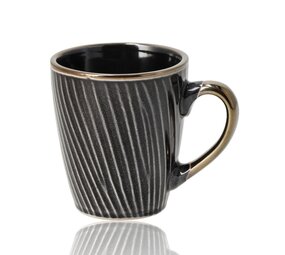
Ceramic coffee mugs with a 200ml c...
Ceramic coffee mugs wit...
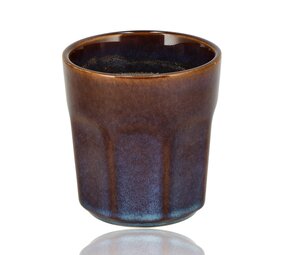
Koffiebeker aardewerk houdt je lun...
Koffiebeker aardewerk h...
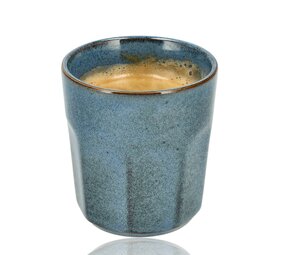
Stoneware coffee mug with blue gla...
Stoneware coffee mug wi...
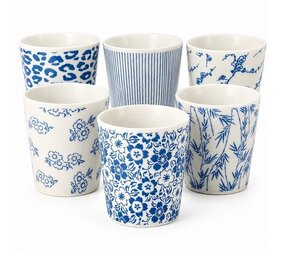
Ceramic coffee cup without handle ...
Ceramic coffee cup with...
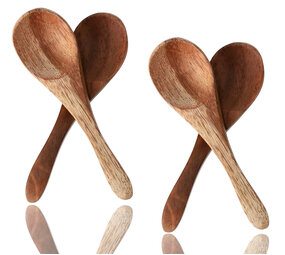
This set of 4 small wooden spoons ...
This set of 4 small woo...
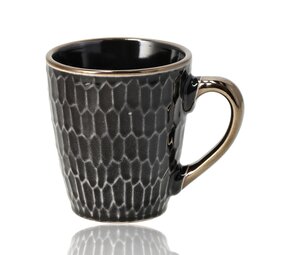
Ceramic coffee mugs with a 200ml c...
Ceramic coffee mugs wit...
- Ordered on working days before 12:00, delivered the next day!
- Buy now, pay later
- Fast delivery in the Netherlands & Belgium
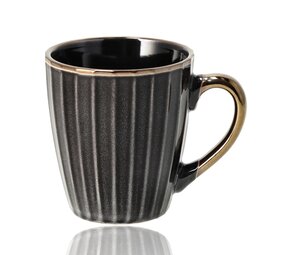
Ceramic coffee mugs with a 200ml c...
Ceramic coffee mugs wit...
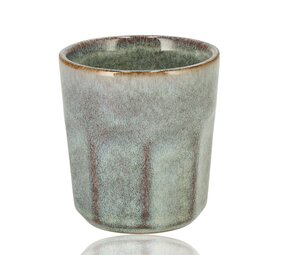
Green/Grey earthenware coffee mug,...
Green/Grey earthenware ...
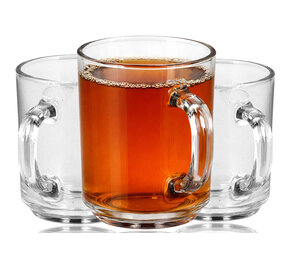
Tea glasses with handle 230 ml for...
Tea glasses with handle...
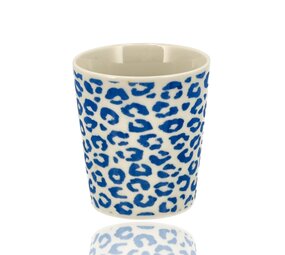
Ceramic coffee cup without handle,...
Ceramic coffee cup with...
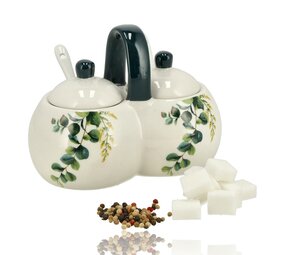
Sugar pot with spoon and lid, doub...
Sugar pot with spoon an...
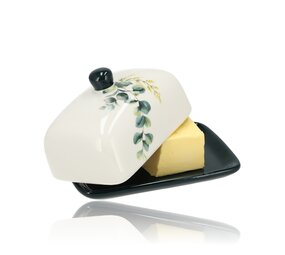
Ceramic butter dish with lid keeps...
Ceramic butter dish wit...
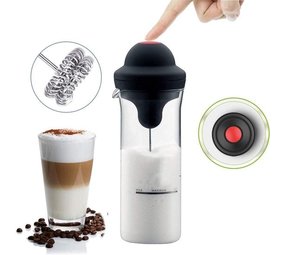
Tired of your daily cup of black c...
Tired of your daily cup...
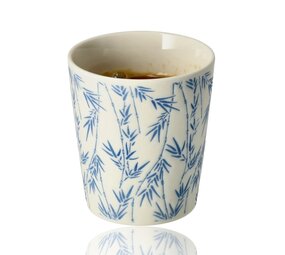
Ceramic coffee cup without handle,...
Ceramic coffee cup with...
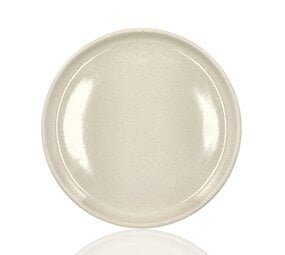
Ceramic breakfast plates Ø20 cm i...
Ceramic breakfast plate...
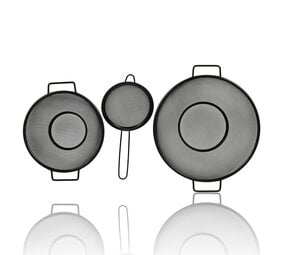
Three-piece black stainless steel ...
Three-piece black stain...
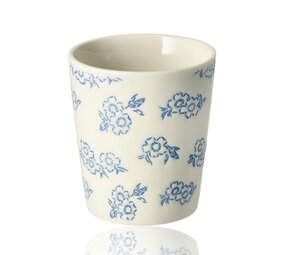
Ceramic coffee cups without handle...
Ceramic coffee cups wit...
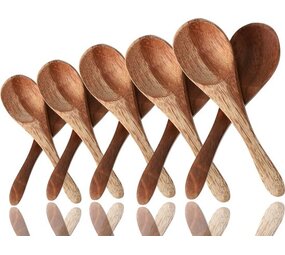
This set of 10 small wooden spoons...
This set of 10 small wo...
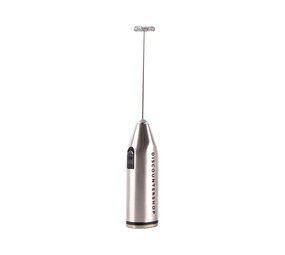
Craft barista-style coffee drinks ...
Craft barista-style cof...
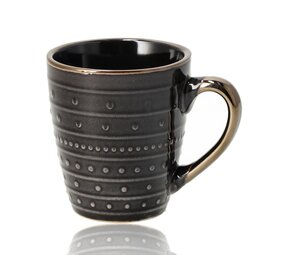
Ceramic coffee mugs with a 200ml c...
Ceramic coffee mugs wit...
Overige categorieën in Household, Living & Cooking
Barista Accessories for Coffee Bars, Offices and Hospitality
Barista Accessories from Coffee Bean to Finished Cup
A coffee station does not become better simply because more equipment is placed around the machine. What matters is how smoothly someone can move from whole beans to a finished drink. Where are the beans ground? Does the cup fit under the coffee outlet? Can guests find a spoon without opening several drawers? And can the station be reset quickly after the morning rush?
That is why Barista Accessories at Discountershop can be useful far beyond a traditional café. They also suit office coffee corners, B&B breakfast rooms, Airbnbs, hostels, coworking spaces and home coffee bars. Within Coffee & Tea Accessories, you can build the rest of the station around the drinks you actually prepare.
Start with the coffee bean: grinding affects more than speed
Once coffee beans are ground, much more surface area is exposed to air. For that reason, grinding a large quantity far in advance is not always practical when the coffee will only be brewed later.
An electric coffee grinder is useful when your coffee station works with whole beans. Grind the amount needed for the next preparation where possible and match the grind size to the brewing method being used.
Grind size matters because water behaves differently when passing through fine and coarse coffee particles. A grind that is too fine or too coarse for the chosen brewing method can change extraction time and the resulting flavour.
Keep whole beans dry and stored in a well-sealed container. The grinder itself is best placed in a dry preparation zone rather than directly beside a sink, kettle or milk station, where coffee grounds and moisture can easily mix.
A coffee cup needs to fit both the machine and the recipe
A cup with a stated capacity of 200 ml does not need to be filled to the rim. The finished drink may contain coffee, milk and foam while still requiring some empty space at the top so it can be carried without spilling.
Instead of choosing cups only by names such as espresso, cappuccino or lungo, measure how much liquid your machine actually produces.
Within Cups & Mugs, compare capacity, height and shape. The clearance underneath the coffee outlet is especially important when a cup needs to sit directly under a machine.
For a café or breakfast area where drinks are served with food, the wider Tableware range can support the dining setup without turning the coffee counter into storage for every plate and bowl.
To-go cups require different checks from ordinary coffee mugs
A reusable 450 or 500 ml travel cup offers much more capacity than a traditional coffee cup. That makes it useful for larger coffees, tea, iced coffee or drinks taken on the move, but it does not automatically suit every coffee machine.
Before choosing one, check:
- total cup height against machine clearance;
- practical drinking capacity rather than maximum capacity;
- how securely the lid closes;
- whether the product is specifically described as leak-resistant;
- cup width for vehicle cup holders;
- cleaning instructions for both cup and lid;
- whether the material suits the intended drink temperature.
In an office coffee station, keeping large travel mugs in their own area also prevents them from being mixed back in with smaller espresso and coffee cups.
Give milk drinks their own preparation zone
Cappuccino, café latte and flat white introduce another stage into the workflow. Once milk is involved, available counter space and cleaning become more important.
Milk Frothers can be used for frothing milk or suitable plant-based alternatives without requiring a large professional steam system.
A compact handheld or electric frother takes up little space, which makes it useful in an office, guest kitchen or home coffee bar. Parts that come into contact with milk should be cleaned promptly according to the product instructions. Dried milk residue is harder to remove and may build up around the whisk.
Cappuccino stencils belong at the end of the process
Cappuccino or coffee stencils are presentation tools rather than milk-preparation tools. They should therefore be used only once the coffee and milk foam are ready.
Hold the stencil close above the foam without letting it touch the surface. Dust a small amount of cocoa, cinnamon or another suitable fine powder through the pattern, then lift the stencil straight upwards.
Using too much powder can blur the smaller details in the design. After use, clean and dry the stencil before storage because cocoa residue can remain trapped in narrow cut-outs and distort the next pattern.
Small spoons can also be useful for sugar, honey or other coffee additions. For more serving-focused products, browse Coffee & Tea Accessories within Tableware.
Arrange a barista station around hand movements
In a compact coffee corner, a few centimetres can make the difference between a smooth workflow and constant reaching across other equipment.
Place products in roughly the same order in which they are used. The coffee grinder should not sit behind dirty cups. Sugar and spoons do not need to occupy the narrow space between the machine and milk frother.
In a B&B breakfast room, the drink station can also remain separate from the food area. Keep Plates beside breakfast foods rather than directly beside the coffee outlet.
Use Serving Bowls for fruit, biscuits or breakfast products without forcing guests collecting food to block the coffee machine.
If boiled eggs form part of breakfast, Egg Cups can stay within the food zone as well. This keeps the coffee station focused on beverage preparation rather than becoming storage for the entire breakfast service.
Cold coffee drinks need more working volume
An iced latte requires a very different vessel from an espresso cup. Ice occupies a substantial part of the available volume before coffee and milk are added.
Browse Glasses if iced coffee, cold brew or other chilled drinks are part of your menu.
Tall Long Drink Glasses provide vertical room for ice, coffee and milk. Measure your recipe in millilitres first, then add enough extra capacity for the ice you normally use.
Keep Water Glasses available separately as well. In offices, meetings and breakfast areas, this prevents coffee mugs from constantly being used for drinking water.
From morning coffee to afternoon and evening service
In a café, B&B or small hospitality business, the same counter may serve different drinks later in the day. Keeping coffee tools inside dedicated drawers or containers makes it easier to switch the counter over.
Use Drinks & Bar Accessories for the wider beverage setup rather than storing everything among coffee tools.
For wine service, keep Wine Accessories close to the bottles and use dedicated Wine Glasses instead of filling shelves around the grinder.
The same principle applies to an evening whiskey service. Store Whiskey Accessories with appropriate Whiskey Glasses in their own serving area.
For mixed drinks, Cocktail Accessories can have a dedicated preparation zone. Keep Bottle Openers in one fixed position so staff do not need to search through coffee drawers whenever a bottle needs opening.
Cleaning and storing barista accessories
Coffee contains oils that can build up on grinders, containers and preparation tools. Remove loose coffee grounds regularly and always follow the product-specific cleaning instructions for an electric grinder. Never immerse a motor housing in water unless the manufacturer explicitly states that it can be washed that way.
Reusable coffee cups, spoons and cappuccino stencils should be completely dry before being placed in enclosed storage. Keep cocoa, sugar and other dry additions protected from moisture.
Small tools deserve their own compartment. Stencils, miniature coffee spoons and lids can easily disappear underneath large mugs or travel cups if everything is stored together.
If you also use Tealight Holders to create atmosphere in the same room, place them in the seating or presentation area rather than beside coffee grounds, paper packaging or active preparation equipment.
Watch Discountershop on YouTube
Visit the Discountershop YouTube channel for product videos and practical examples covering kitchen, dining and household products that can also help when planning a coffee station or hospitality setup.
Frequently Asked Questions About Barista Accessories
Why is it better to grind coffee beans shortly before brewing?
Grinding exposes much more of the coffee to air. Grinding only what you expect to use soon limits unnecessary exposure before brewing and helps prevent old grounds from being mixed continuously with freshly ground coffee.
Why does consistent grind size matter when making coffee?
Coffee particles of very different sizes do not extract at the same rate. A more consistent grind makes it easier to reproduce a brew when water quantity, brewing time and preparation method remain unchanged.
Can every coffee grinder also grind nuts, spices or grains?
No. Use a grinder for other ingredients only when the manufacturer explicitly allows it. Hard, oily or strongly scented ingredients can overload the motor or leave flavours and aromas inside the grinder.
How do you clean an electric coffee grinder safely?
Disconnect it from the power supply first. Remove loose grounds according to the manual and wash only parts specifically described as washable. The motor housing should normally remain completely dry.
How can you check whether a coffee cup fits under your coffee machine?
Measure from the drip tray to the lowest point of the coffee outlet. Compare this clearance with the cup's total height and leave enough extra room to insert and remove it comfortably.
Why is a 500 ml travel cup not suitable for every coffee drink?
Five hundred millilitres is considerably more than a normal espresso or short coffee. Large cups suit longer drinks, tea or iced coffee better and may also be too tall for some coffee machines.
How do you use a cappuccino stencil without blurring the design?
Start with stable milk foam, hold the dry stencil just above the surface and apply only a thin layer of fine powder. Lift it vertically so excess cocoa or cinnamon does not drag across the pattern.
Why should old coffee grounds be removed from a grinder?
Ground coffee loses aroma over time, while coffee oils can accumulate on internal parts. Removing residue regularly also reduces the amount of stale coffee that mixes into the next freshly ground portion.
Which barista accessories should have their own storage compartment?
Small spoons, stencils, lids and compact coffee tools are easily lost beneath larger cups. Dedicated storage makes stock checking faster and prevents small items from being damaged by heavier equipment.
How do you keep a barista station organised during a busy morning?
Assign every tool a fixed position and separate grinding, brewing, milk preparation and finishing into clear zones. Clean spills immediately and refill small working stocks rather than keeping large packages on the counter.