
 Household, Living & Cooking
 Outdoor, Travel & Sports
 DIY, Garden & Animals
 Fashion accessories & Shoes
 Car & Motor
 Computer & Electronics
 Office & School
 Beautiful & Healthy
 Toys
Toys Eat Drink
 Baby
Baby Christmas
 King's Day


 8
8Teapots and French presses for loose-leaf tea and coffee
Buy teapots and French presses
A suitable teapot or French press allows you to prepare several cups of tea or coffee and serve them directly at the table. At Discountershop, you can find products such as cast-iron teapots with filters and glass coffee and tea makers with plunger filters. When buying one, compare the capacity, material, filter construction, pouring spout and handle. Also check whether the product is intended only for steeping and serving or can be placed on a heat source.
Browse the other coffee and tea accessories if you also need cups, tea glasses, coffee spoons, travel mugs or a coffee grinder.
Choosing between a teapot and French press
A traditional teapot and French press can both be used to steep a hot drink, but their construction and operation are different.
Teapot
A teapot generally has a pouring spout, lid and handle. Some models include a removable filter for loose-leaf tea. Once the recommended steeping time has passed, you can remove the filter to prevent the tea from continuing to become stronger.
A teapot can suit:
loose tea and tea leaves;
preparing several cups for one or more people;
serving tea at the table;
users who want to remove the filter after steeping;
teas that require a specific infusion time.
French press
A French press, also known as a cafetière or coffee press, has a jug with a plunger and metal filter. You add coffee or tea, pour in water and slowly press the filter down after the brewing time. The grounds or leaves remain below the filter while the drink above it can be poured.
A French press can suit:
coarsely ground coffee;
loose tea with sufficiently large leaves;
brewing without a paper filter;
users who want to adjust strength through quantity and brewing time;
tea or coffee that will be served immediately after pressing.
Always confirm that the manufacturer permits the model to be used for coffee, tea or both.
What capacity do you need?
The correct capacity depends on the number of people, cup size and amount each person drinks. A 600-millilitre product does not automatically produce six full mugs. First check how many millilitres your usual cup or mug holds.
As a practical guide:
300–400 ml: one large mug or several small cups;
500–700 ml: approximately two to four cups, depending on their size;
800 ml–1 litre: several cups for two people or a small group;
More than 1 litre: useful when regularly serving several guests.
Allow enough room for the coffee, tea and plunger. Do not fill a French press beyond its maximum line, and follow the product instructions.
Teapot and French press materials
Cast-iron teapots
Cast iron can retain heat for a relatively long time. Many cast-iron teapots sold for the European market have an enamelled interior. Treat this layer carefully and avoid hard or sharp utensils that could damage it.
A cast-iron teapot is not automatically suitable for use on a hob. Some models are intended only for steeping tea after the water has been heated separately. Check this before use.
Cast iron often needs to be dried carefully after cleaning. Follow the care instructions for the individual product.
Glass French presses and teapots
A glass jug lets you follow the colour of the drink and the brewing process. Glass can, however, be sensitive to impacts and sudden temperature changes. Use only water at a temperature permitted by the product instructions.
If you want to combine the pot with matching glasses, check that they are suitable for hot drinks. An ordinary water or wine glass is not automatically heat-resistant.
Plastic, stainless steel and other components
A French press may contain plastic and metal parts as well as glass. Check the materials used for the frame, plunger, filter, lid and handle. Confirm which components can be dismantled and whether they require hand washing or can go in the dishwasher.
Preparing loose-leaf tea in a teapot
Use an amount of tea that suits the water volume and instructions on the packaging. Different teas require different water temperatures and infusion times. Green tea is often prepared with cooler water than black tea, but always follow the tea producer’s guidance.
A practical brewing process is:
Heat the water to the recommended temperature.
Place loose tea in the filter or infuser.
Put the filter into the teapot.
Add the correct amount of water.
Leave the tea to steep for the recommended time.
Remove the filter when the preferred strength is reached.
Pour carefully into suitable cups or glasses.
Give large tea leaves enough room to expand. An overfilled filter restricts water flow and may result in uneven extraction.
Preparing coffee with a French press
A French press generally requires coarsely ground coffee. Fine grounds may pass through the filter or make the plunger difficult to press. The correct ratio of coffee to water depends on the desired strength and the guidance supplied with the press or coffee.
If stirring is required, use a utensil that will not damage the glass. Fit the lid and allow the coffee to brew. Press the plunger down slowly and evenly. Do not force it if you feel strong resistance; check the grind size, quantity and filter position instead.
Pour the coffee after pressing. Leaving it above the grounds for too long may continue to change the flavour.
Water for tea and coffee
Water forms most of a cup of tea or coffee. Its smell, flavour and hardness can therefore affect the drink and contribute to limescale in pots and filters. Browse water filters and drinking bottles for products related to drinking water and travel.
Use only water that is safe to drink. Descale a teapot or French press using a method suitable for its materials, then rinse every component thoroughly.
Cups and mugs for your teapot
Match the pot’s capacity to your chosen cups and mugs. A one-litre pot produces a different number of servings when used with small teacups instead of large mugs.
For hot-drink tableware, consider:
the capacity and height;
whether it has a handle;
how the material transfers heat;
stability on the table;
dishwasher and microwave instructions;
clearance below the pouring spout.
Place cups on a stable surface before pouring, and do not fill them to the rim.
Positioning a teapot on the table
Use suitable table accessories to protect the tabletop from heat and drips. Place a warm teapot or French press on a trivet that can support its weight, material and temperature.
Position the pot so that:
the pouring spout does not point over the table edge;
the handle remains easy to reach;
children cannot reach the hot drink;
guests do not need to reach across plates or glasses;
the French press plunger has enough overhead clearance;
there is sufficient space to pour safely.
Do not lift a glass French press by its plunger. Use the handle provided.
Combining tea, coffee and tableware
Suitable tableware lets you coordinate your teapot with cups, mugs, serving bowls and small plates. Select pieces by material, colour and use, but always confirm that they are appropriate for hot drinks and food contact.
If serving cake, biscuits or sandwiches with tea, place them on suitable plates. A small cake or dessert plate requires less room beside a teapot than a large dinner plate.
Baking something to serve with tea or coffee
Use suitable baking supplies to prepare cake, biscuits and other baked food. Allow hot baked items to cool before placing them on tableware when required by the product instructions.
Use separate serving tools for different baked foods, particularly when guests need to consider allergens. Position the teapot away from crumbs, knives and serving dishes so that you can pour safely.
Teapots and French presses at brunch
During brunch, you can combine tea and coffee with juice, water and other drinks. Use drinks and bar accessories to arrange a separate cold-drinks area. Avoid placing hot and cold drinks together in a confined space.
If you provide a separate outdoor smoking area for adult guests, place any relevant smoking accessories only in that area. Keep these products out of children’s reach and separate from teapots, French presses, tableware and food.
Cleaning a teapot or French press
Remove used tea leaves or coffee grounds before washing. Do not dispose of large amounts of coffee grounds through the sink because they may accumulate in the pipes. Discard or compost them according to local rules.
For a French press:
allow the jug to cool gradually;
remove the tea or coffee residue;
dismantle the plunger only when the manual permits it;
clean the metal filter carefully;
rinse away all soap residue;
leave the parts separated while drying;
reassemble the filter in the correct order.
For a teapot:
follow the care instructions for its material;
do not use hard utensils on enamel or glass;
dry cast iron immediately when instructed;
remove tea deposits using a permitted method;
store the pot with ventilation when advised.
Use a dishwasher only when the manufacturer permits this for the relevant components.
Watch tea and coffee tips on our YouTube channel
Would you like to view product information, usage tips or practical examples? Visit the Discountershop YouTube channel. Watch the videos and then select a teapot, French press and table products that suit your preferred brewing method.
Frequently asked questions about teapots and French presses
What size teapot do I need for two people?
That depends on the capacity of the cups and how much each person drinks. A pot of approximately 500 to 800 millilitres can provide several smaller cups. Calculate the required capacity using your own cups.
What is the difference between a teapot and a French press?
A teapot usually uses a removable or built-in tea filter. A French press has a plunger that pushes coffee grounds or tea leaves down after brewing. Each requires a different pouring and cleaning process.
Can you prepare loose-leaf tea in a French press?
Yes, if the manufacturer permits it and the filter suits the size of the tea leaves. Carefully lower the leaves after the correct brewing time and pour the tea immediately.
Which coffee grind should you use for a French press?
A coarse grind is generally recommended. Finely ground coffee may pass through the filter or create excessive resistance. Follow the guidance supplied by the coffee producer and French press manufacturer.
Can a cast-iron teapot go on the hob?
Not automatically. Many cast-iron teapots are intended only for steeping and serving. Place one on a hob or another heat source only when the product information explicitly permits this.
Why do tea leaves pass through the filter?
The filter may be too coarse for the chosen tea, incorrectly positioned or overfilled. Use a finer filter for small particles and give larger tea leaves enough room to expand.
How can you prevent tea from becoming bitter in the pot?
Use the recommended quantity, water temperature and brewing time. Remove the filter as soon as the preferred strength is reached. Do not leave loose tea in hot water longer than necessary.
How should you clean a French press plunger?
Dismantle the filter components only when the manual permits it. Clean the mesh with warm water and a soft tool, rinse thoroughly and allow all parts to dry separately.
Can the same French press be used for coffee and tea?
Yes, if the manufacturer permits both uses. Coffee oils and fine particles can leave flavours behind, so clean the filter and jug thoroughly before switching between coffee and tea.
How can you prevent a glass French press from cracking?
Avoid impacts and sudden temperature changes. Do not pour boiling water into a cold jug unless the product is designed for it, do not place hot glass on a cold or wet surface, and avoid metal utensils that could strike the wall.
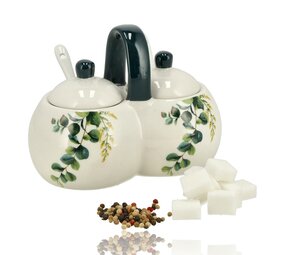
Sugar pot with spoon and lid, doub...
Sugar pot with spoon an...
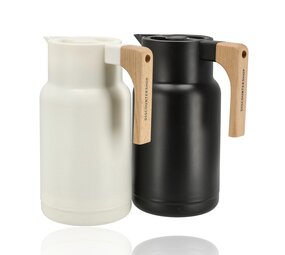
Thermos flask 1 liter stainless st...
Thermos flask 1 liter s...
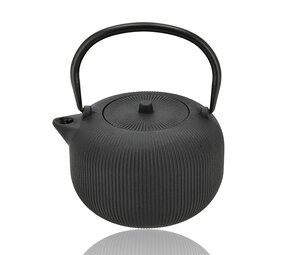
Cast iron teapot 1L with stainless...
Cast iron teapot 1L wit...
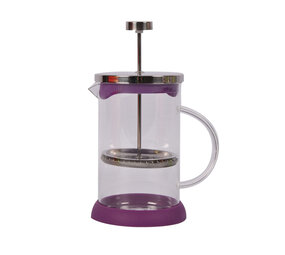
Enjoy our beautiful purple glass c...
Enjoy our beautiful pur...
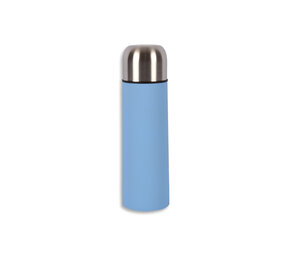
Keep your drinks hot or cold with ...
Keep your drinks hot or...
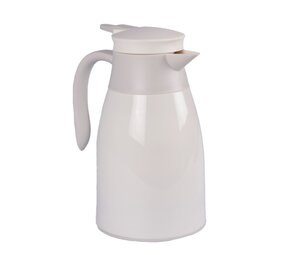
Stay hydrated with our stylish whi...
Stay hydrated with our ...
- Ordered on working days before 12:00, delivered the next day!
- Buy now, pay later
- Fast delivery in the Netherlands & Belgium

Beautiful white 1 liter thermos fl...
Beautiful white 1 liter...
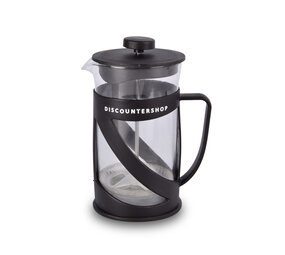
Discover our versatile tea makers ...
Discover our versatile ...
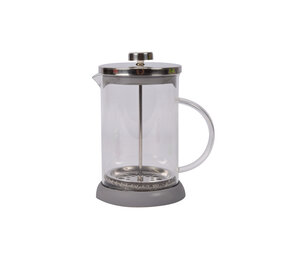
Explore our gray cafetière, a gla...
Explore our gray cafeti...
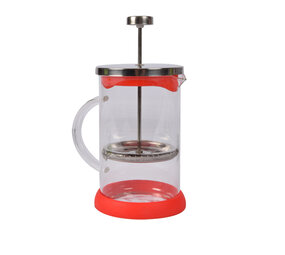
Enjoy delicious coffee with this s...
Enjoy delicious coffee ...
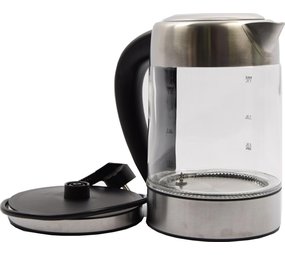
Design and functionality go hand i...
Design and functionalit...
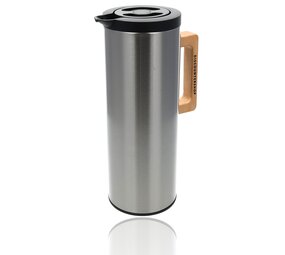
Enjoy hot drinks on the go with th...
Enjoy hot drinks on the...
Overige categorieën in Household, Living & Cooking
Teapots and French presses for loose-leaf tea and coffee
Buy teapots and French presses
A suitable teapot or French press allows you to prepare several cups of tea or coffee and serve them directly at the table. At Discountershop, you can find products such as cast-iron teapots with filters and glass coffee and tea makers with plunger filters. When buying one, compare the capacity, material, filter construction, pouring spout and handle. Also check whether the product is intended only for steeping and serving or can be placed on a heat source.
Browse the other coffee and tea accessories if you also need cups, tea glasses, coffee spoons, travel mugs or a coffee grinder.
Choosing between a teapot and French press
A traditional teapot and French press can both be used to steep a hot drink, but their construction and operation are different.
Teapot
A teapot generally has a pouring spout, lid and handle. Some models include a removable filter for loose-leaf tea. Once the recommended steeping time has passed, you can remove the filter to prevent the tea from continuing to become stronger.
A teapot can suit:
loose tea and tea leaves;
preparing several cups for one or more people;
serving tea at the table;
users who want to remove the filter after steeping;
teas that require a specific infusion time.
French press
A French press, also known as a cafetière or coffee press, has a jug with a plunger and metal filter. You add coffee or tea, pour in water and slowly press the filter down after the brewing time. The grounds or leaves remain below the filter while the drink above it can be poured.
A French press can suit:
coarsely ground coffee;
loose tea with sufficiently large leaves;
brewing without a paper filter;
users who want to adjust strength through quantity and brewing time;
tea or coffee that will be served immediately after pressing.
Always confirm that the manufacturer permits the model to be used for coffee, tea or both.
What capacity do you need?
The correct capacity depends on the number of people, cup size and amount each person drinks. A 600-millilitre product does not automatically produce six full mugs. First check how many millilitres your usual cup or mug holds.
As a practical guide:
300–400 ml: one large mug or several small cups;
500–700 ml: approximately two to four cups, depending on their size;
800 ml–1 litre: several cups for two people or a small group;
More than 1 litre: useful when regularly serving several guests.
Allow enough room for the coffee, tea and plunger. Do not fill a French press beyond its maximum line, and follow the product instructions.
Teapot and French press materials
Cast-iron teapots
Cast iron can retain heat for a relatively long time. Many cast-iron teapots sold for the European market have an enamelled interior. Treat this layer carefully and avoid hard or sharp utensils that could damage it.
A cast-iron teapot is not automatically suitable for use on a hob. Some models are intended only for steeping tea after the water has been heated separately. Check this before use.
Cast iron often needs to be dried carefully after cleaning. Follow the care instructions for the individual product.
Glass French presses and teapots
A glass jug lets you follow the colour of the drink and the brewing process. Glass can, however, be sensitive to impacts and sudden temperature changes. Use only water at a temperature permitted by the product instructions.
If you want to combine the pot with matching glasses, check that they are suitable for hot drinks. An ordinary water or wine glass is not automatically heat-resistant.
Plastic, stainless steel and other components
A French press may contain plastic and metal parts as well as glass. Check the materials used for the frame, plunger, filter, lid and handle. Confirm which components can be dismantled and whether they require hand washing or can go in the dishwasher.
Preparing loose-leaf tea in a teapot
Use an amount of tea that suits the water volume and instructions on the packaging. Different teas require different water temperatures and infusion times. Green tea is often prepared with cooler water than black tea, but always follow the tea producer’s guidance.
A practical brewing process is:
Heat the water to the recommended temperature.
Place loose tea in the filter or infuser.
Put the filter into the teapot.
Add the correct amount of water.
Leave the tea to steep for the recommended time.
Remove the filter when the preferred strength is reached.
Pour carefully into suitable cups or glasses.
Give large tea leaves enough room to expand. An overfilled filter restricts water flow and may result in uneven extraction.
Preparing coffee with a French press
A French press generally requires coarsely ground coffee. Fine grounds may pass through the filter or make the plunger difficult to press. The correct ratio of coffee to water depends on the desired strength and the guidance supplied with the press or coffee.
If stirring is required, use a utensil that will not damage the glass. Fit the lid and allow the coffee to brew. Press the plunger down slowly and evenly. Do not force it if you feel strong resistance; check the grind size, quantity and filter position instead.
Pour the coffee after pressing. Leaving it above the grounds for too long may continue to change the flavour.
Water for tea and coffee
Water forms most of a cup of tea or coffee. Its smell, flavour and hardness can therefore affect the drink and contribute to limescale in pots and filters. Browse water filters and drinking bottles for products related to drinking water and travel.
Use only water that is safe to drink. Descale a teapot or French press using a method suitable for its materials, then rinse every component thoroughly.
Cups and mugs for your teapot
Match the pot’s capacity to your chosen cups and mugs. A one-litre pot produces a different number of servings when used with small teacups instead of large mugs.
For hot-drink tableware, consider:
the capacity and height;
whether it has a handle;
how the material transfers heat;
stability on the table;
dishwasher and microwave instructions;
clearance below the pouring spout.
Place cups on a stable surface before pouring, and do not fill them to the rim.
Positioning a teapot on the table
Use suitable table accessories to protect the tabletop from heat and drips. Place a warm teapot or French press on a trivet that can support its weight, material and temperature.
Position the pot so that:
the pouring spout does not point over the table edge;
the handle remains easy to reach;
children cannot reach the hot drink;
guests do not need to reach across plates or glasses;
the French press plunger has enough overhead clearance;
there is sufficient space to pour safely.
Do not lift a glass French press by its plunger. Use the handle provided.
Combining tea, coffee and tableware
Suitable tableware lets you coordinate your teapot with cups, mugs, serving bowls and small plates. Select pieces by material, colour and use, but always confirm that they are appropriate for hot drinks and food contact.
If serving cake, biscuits or sandwiches with tea, place them on suitable plates. A small cake or dessert plate requires less room beside a teapot than a large dinner plate.
Baking something to serve with tea or coffee
Use suitable baking supplies to prepare cake, biscuits and other baked food. Allow hot baked items to cool before placing them on tableware when required by the product instructions.
Use separate serving tools for different baked foods, particularly when guests need to consider allergens. Position the teapot away from crumbs, knives and serving dishes so that you can pour safely.
Teapots and French presses at brunch
During brunch, you can combine tea and coffee with juice, water and other drinks. Use drinks and bar accessories to arrange a separate cold-drinks area. Avoid placing hot and cold drinks together in a confined space.
If you provide a separate outdoor smoking area for adult guests, place any relevant smoking accessories only in that area. Keep these products out of children’s reach and separate from teapots, French presses, tableware and food.
Cleaning a teapot or French press
Remove used tea leaves or coffee grounds before washing. Do not dispose of large amounts of coffee grounds through the sink because they may accumulate in the pipes. Discard or compost them according to local rules.
For a French press:
allow the jug to cool gradually;
remove the tea or coffee residue;
dismantle the plunger only when the manual permits it;
clean the metal filter carefully;
rinse away all soap residue;
leave the parts separated while drying;
reassemble the filter in the correct order.
For a teapot:
follow the care instructions for its material;
do not use hard utensils on enamel or glass;
dry cast iron immediately when instructed;
remove tea deposits using a permitted method;
store the pot with ventilation when advised.
Use a dishwasher only when the manufacturer permits this for the relevant components.
Watch tea and coffee tips on our YouTube channel
Would you like to view product information, usage tips or practical examples? Visit the Discountershop YouTube channel. Watch the videos and then select a teapot, French press and table products that suit your preferred brewing method.
Frequently asked questions about teapots and French presses
What size teapot do I need for two people?
That depends on the capacity of the cups and how much each person drinks. A pot of approximately 500 to 800 millilitres can provide several smaller cups. Calculate the required capacity using your own cups.
What is the difference between a teapot and a French press?
A teapot usually uses a removable or built-in tea filter. A French press has a plunger that pushes coffee grounds or tea leaves down after brewing. Each requires a different pouring and cleaning process.
Can you prepare loose-leaf tea in a French press?
Yes, if the manufacturer permits it and the filter suits the size of the tea leaves. Carefully lower the leaves after the correct brewing time and pour the tea immediately.
Which coffee grind should you use for a French press?
A coarse grind is generally recommended. Finely ground coffee may pass through the filter or create excessive resistance. Follow the guidance supplied by the coffee producer and French press manufacturer.
Can a cast-iron teapot go on the hob?
Not automatically. Many cast-iron teapots are intended only for steeping and serving. Place one on a hob or another heat source only when the product information explicitly permits this.
Why do tea leaves pass through the filter?
The filter may be too coarse for the chosen tea, incorrectly positioned or overfilled. Use a finer filter for small particles and give larger tea leaves enough room to expand.
How can you prevent tea from becoming bitter in the pot?
Use the recommended quantity, water temperature and brewing time. Remove the filter as soon as the preferred strength is reached. Do not leave loose tea in hot water longer than necessary.
How should you clean a French press plunger?
Dismantle the filter components only when the manual permits it. Clean the mesh with warm water and a soft tool, rinse thoroughly and allow all parts to dry separately.
Can the same French press be used for coffee and tea?
Yes, if the manufacturer permits both uses. Coffee oils and fine particles can leave flavours behind, so clean the filter and jug thoroughly before switching between coffee and tea.
How can you prevent a glass French press from cracking?
Avoid impacts and sudden temperature changes. Do not pour boiling water into a cold jug unless the product is designed for it, do not place hot glass on a cold or wet surface, and avoid metal utensils that could strike the wall.
