
 Household, Living & Cooking
 Outdoor, Travel & Sports
 DIY, Garden & Animals
 Fashion accessories & Shoes
 Car & Motor
 Computer & Electronics
 Office & School
 Beautiful & Healthy
 Toys
Toys Eat Drink
 Baby
Baby Christmas
 King's Day


 8
8Cups for Espresso, Coffee, Cappuccino and Tea
Buy cups for coffee, espresso, cappuccino and tea
The right cup helps you serve the intended amount of coffee or tea without placing a small drink in an oversized container. A compact coffee cup suits espresso and short coffee, while a larger cup provides more room for lungo, cappuccino or tea. At Discountershop, you can compare cups by capacity, material, shape, handle, saucer and pack quantity.
Do not rely only on the product name. Terms such as espresso cup, coffee cup and cappuccino cup can represent different capacities depending on the manufacturer. The stated volume in millilitres and the complete dimensions provide a clearer indication of the actual size.
Before ordering, check:
- recommended serving capacity;
- total capacity up to the rim;
- height and diameter;
- width including the handle;
- rim shape and thickness;
- material and glaze;
- number of cups per package;
- whether matching saucers are included;
- dishwasher and microwave suitability;
- clearance beneath the coffee-machine outlet.
Which coffee cup suits your drink?
The required capacity depends on the drink, coffee-machine settings and the amount of milk or foam being added.
Common cup types include:
- Espresso cups: for small, concentrated servings of coffee.
- Coffee cups: for standard coffee and smaller machine-prepared drinks.
- Lungo cups: provide more capacity than a typical espresso cup.
- Cappuccino cups: leave room for espresso, warm milk and milk foam.
- Tea cups: may have a wider or larger shape than traditional coffee cups.
- Handleless cups: are held around the outside wall.
- Cup-and-saucer sets: pair each cup with a matching saucer.
For larger servings of filter coffee, tea or hot chocolate, link this page to Mugs. For drinks taken outside the home, include an internal link to Coffee Cups To Go.
Small coffee cups and espresso cups
A small coffee cup prevents a short drink from spreading across a large surface inside an oversized cup. Espresso cups often have a compact shape and relatively thick walls, although construction differs between products.
When comparing small cups, check:
- whether the capacity matches the machine setting;
- whether the cup stands securely on the drip tray;
- whether the handle provides enough finger space;
- whether the drinking rim has a suitable shape;
- whether the cup fits beneath the coffee outlet;
- whether a matching saucer is supplied.
A very small cup may suit a single espresso but provide too little room for a double espresso or coffee with milk. Measure the volume dispensed by your machine when necessary.
Cappuccino cups
A cappuccino cup should provide enough room for coffee, milk and foam. The opening is often wider than that of an espresso cup, allowing the milk foam to spread across a larger surface.
When comparing cappuccino cups, consider:
- usable capacity;
- diameter of the opening;
- shape of the inside wall;
- space left below the rim;
- stability on the saucer;
- clearance beneath the coffee outlet.
A ceramic cappuccino cup may retain heat differently from a thin glass cup. Only use heat-retention claims when the manufacturer identifies a specific insulating or thermal property.
Lungo cups and standard coffee cups
A lungo contains more water than an espresso and therefore requires a larger cup. A lungo cup is usually still more compact than a full-size coffee mug, making it suitable for automatic coffee machines and moderate drink portions.
Compare:
- the amount of coffee normally prepared;
- the height of the machine outlet;
- the width of the drip tray;
- room for milk or sugar;
- the filled weight of the cup;
- base stability.
Check whether the base sits flat. A narrow base may be less secure on some drip trays than a cup with a wider footprint.
Ceramic coffee cups
Ceramic is a broad term covering fired materials such as earthenware and porcelain. Ceramic coffee cups are produced with different wall thicknesses, glazes and surface finishes.
Check ceramic cups for:
- an intact and even glaze;
- a smooth drinking rim;
- cracks, chips or surface damage;
- a secure handle connection;
- permitted drink temperatures;
- dishwasher and microwave instructions.
A ceramic coffee cup may become warm on the outside. A handle reduces the need to hold the heated cup wall directly.
Earthenware coffee cups
Earthenware cups often have thicker walls and a more noticeable weight. Small differences in glaze, tone or surface texture may be part of the production finish on certain products.
An earthenware cup can be used for coffee or tea when its size and specifications match the drink. Check:
- whether the surface has a food-safe finish;
- whether unglazed areas can absorb moisture;
- whether the cup is suitable for hot contents;
- whether dishwasher cleaning is permitted;
- whether sudden temperature changes should be avoided.
Stop using an earthenware cup when deep cracks, loose fragments or sharp damage appear.
Porcelain cups
Porcelain generally has a smooth surface and can be produced with thinner walls than many earthenware products. Actual strength depends on the construction, wall thickness and finish.
Porcelain cups may be used for:
- espresso;
- regular coffee;
- cappuccino;
- tea;
- serving with a saucer;
- home, office or reception areas.
A white porcelain cup and saucer can be combined with many other tableware pieces. When the design includes decorative, coloured or metallic details, confirm whether dishwasher and microwave use is permitted.
Cups with handles
A handle provides a fixed grip without requiring the user to hold the warm outside wall. Handles on small coffee cups are usually more compact than those on mugs.
Check:
- space for one or more fingers;
- handle thickness;
- rounded contact edges;
- balance when the cup is filled;
- the connection between the handle and cup;
- total width in a cupboard or dishwasher.
A small handle may match the proportions of an espresso cup but may be less comfortable for users with larger hands.
Handleless ceramic cups
Handleless cups have a compact shape and may require less cupboard space. They are held around the cup wall and are available in ceramic, earthenware and other materials.
Before using a handleless cup with a hot drink, check:
- how warm the outside becomes;
- whether it has double-wall construction;
- whether the surface provides enough grip;
- whether it can be held comfortably with two hands;
- whether stacking is permitted by the manufacturer.
A handleless ceramic cup is not automatically insulated. The product information should identify the drinks and temperatures for which it is intended.
Cups and saucers
A saucer provides a fixed place for the cup and room for a teaspoon, sugar packet or small biscuit. The recessed section of the saucer should match the base of the cup.
Compare cup-and-saucer sets by:
- saucer diameter;
- shape of the cup base;
- fit inside the recessed ring;
- cup capacity;
- number of complete combinations;
- material and colour;
- cleaning instructions.
A set of six cups and saucers may contain six cups and six saucers, but always check the package description and total number of pieces. Retailers may count set components differently.
White cups and cup-and-saucer sets
White coffee cups can be combined with many tablecloths, serving dishes and other tableware. Coffee and tea marks may become visible more quickly on a pale interior.
When comparing a white cup and saucer, check:
- the shade of white;
- gloss or matte finish;
- colour consistency between the cup and saucer;
- visible seams or glaze marks;
- suitability for daily use;
- availability of replacement pieces.
Descriptions such as “premium” or “luxury” provide little practical information on their own. Compare the material, dimensions, finish and pack contents instead.
Complete cup sets
A complete cup set can be practical when several matching pieces are needed for home, work, visitors or a coffee station. Check whether the package contains only cups or includes saucers.
A package may contain:
- two separate coffee cups;
- four or six coffee cups;
- cups with matching saucers;
- several cup sizes;
- an espresso or cappuccino set;
- cups with spoons or other accessories.
Compare the price per usable cup or complete cup-and-saucer combination. This prevents a high total component count from giving a misleading impression of the number of servings included.
Coffee cups for home, offices and hospitality
For regular or intensive use, ease of cleaning, stackability and replacement availability become more important. Coffee cups for hospitality or business settings should be approved for the expected usage frequency.
When ordering multiple cups, check:
- consistent size and capacity;
- stackability;
- dishwasher suitability;
- handle and rim construction;
- availability of replacement pieces;
- fit on serving trays;
- storage space in cup racks;
- compatibility with the coffee machine.
A smaller set may be sufficient for home use. Offices, cafés and reception areas may benefit from additional pieces for breakage, dishwasher cycles and simultaneous service.
Ordering cups online
When buying cups online, you cannot feel the rim, weight or handle before ordering. Review the measurements and specifications carefully.
Check at least:
- total and usable capacity;
- height and diameter;
- material;
- product weight;
- width including the handle;
- number of cups;
- whether saucers are included;
- dishwasher and microwave suitability;
- use with hot or cold drinks.
Compare cups at Discountershop by drink type, capacity, material and pack quantity. Choose individual coffee cups or a complete set that suits your machine, cupboard space and number of users.
Frequently Asked Questions About Cups
What is the difference between total and usable cup capacity?
Total capacity is usually measured to the upper rim. In normal use, a cup is not always filled completely because some free space is needed to carry the drink without spilling. Usable capacity can therefore be lower. Check which measuring method is used in the product description.
Why do some coffee cups have a thick drinking rim?
A thicker rim may be part of the cup’s wall construction. It provides a different drinking sensation from a thin porcelain rim. Preference depends on the user and type of coffee. Review the dimensions and close-up images when the rim thickness is not stated separately.
How can I tell whether a cup fits securely on its saucer?
The cup base should fit inside the recessed ring or central section of the saucer. It should stand flat without sliding excessively. The safest option is usually the matching saucer supplied with the cup, as saucers from other ranges can have different recesses and diameters.
Can coffee cups be stacked safely?
Only when their shape supports stacking. Stackable cups are designed so the base fits safely into the opening or internal shape of the cup below. Do not create tall stacks with standard cups, and make sure handles do not press against neighbouring pieces. Soft separators can reduce scratches and pressure points.
Is porcelain or earthenware more practical for coffee cups?
Porcelain can be made thinner and lighter, while earthenware often has thicker walls and more weight. The better choice depends on the desired feel, serving style and maintenance requirements. Check each product’s dishwasher suitability, microwave instructions and resistance to sudden temperature changes.
Can an espresso cup be preheated before use?
Yes, when the cup material and manufacturer’s instructions permit it. Warm water or an approved cup-warming surface may be used. Avoid sudden temperature changes, and do not place a cold cup on a very hot surface without confirming that the material can tolerate it.
How many coffee cups are useful when serving guests?
This depends on how many people are served at the same time and how often washing takes place. A set of four or six may suit many households. Extra cups can be useful for regular gatherings, office use or hospitality settings where pieces may be in the dishwasher or temporarily unavailable.
Can one missing cup from a set be replaced separately?
Only when the same model remains available individually. Keep the product name, range, colour and capacity for reference. Slight colour differences can occur between production batches. When individual replacements are unavailable, purchasing another set may be necessary.
Why do some small cups perform poorly beneath coffee machines?
A cup may be too low beneath a fixed outlet, causing the coffee to splash. A narrow base may also stand less securely on the drip-tray grid. Check whether the outlet is adjustable and review the shape of the tray. Only use a cup platform or riser when the machine manufacturer permits it.
Can printed coffee cups go in the dishwasher?
That depends on how the decoration has been applied. Some designs sit beneath the glaze, while others remain on the surface and may wear more quickly. Use a dishwasher only when the product instructions allow it, and avoid placing decorated surfaces directly against other hard items.
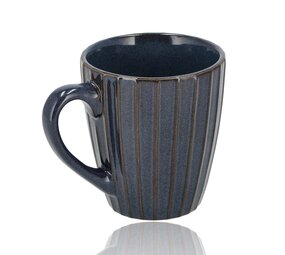
These ceramic coffee mugs with han...
These ceramic coffee mu...
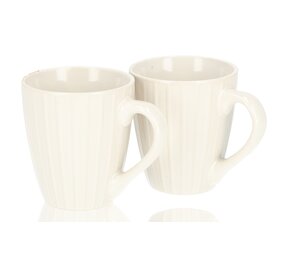
Enjoy your favorite hot drinks wit...
Enjoy your favorite hot...
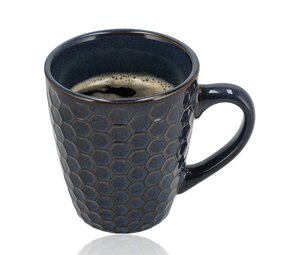
Coffee mugs with handle made of du...
Coffee mugs with handle...
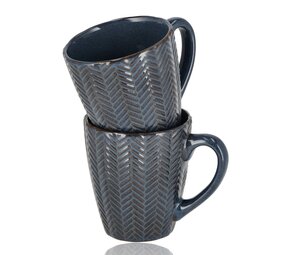
These ceramic coffee mugs feature ...
These ceramic coffee mu...
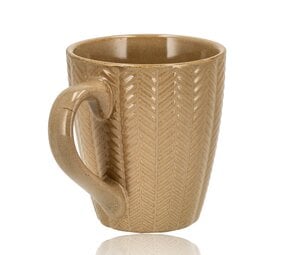
Ceramic coffee mug with handle 200...
Ceramic coffee mug with...
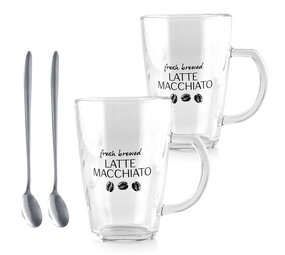
Latte macchiato glasses 300 ml wit...
Latte macchiato glasses...
- Ordered on working days before 12:00, delivered the next day!
- Buy now, pay later
- Fast delivery in the Netherlands & Belgium
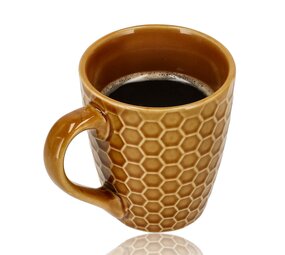
200 ml ceramic coffee mugs with ha...
200 ml ceramic coffee m...
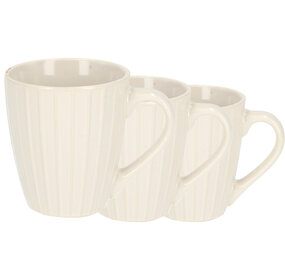
Enjoy your favorite hot drinks wit...
Enjoy your favorite hot...
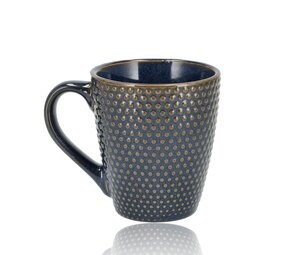
Durable ceramic coffee mug with ha...
Durable ceramic coffee ...
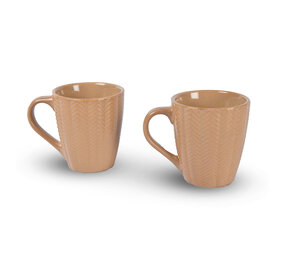
Discover our high-quality ceramic ...
Discover our high-quali...
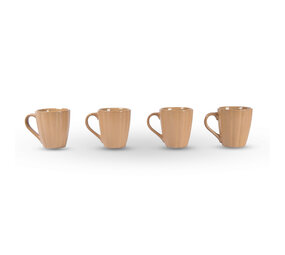
Discover our high-quality ceramic ...
Discover our high-quali...
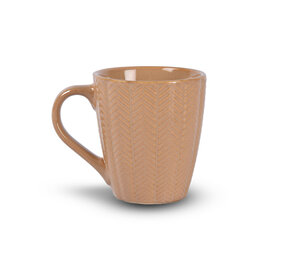
Discover our high-quality ceramic ...
Discover our high-quali...
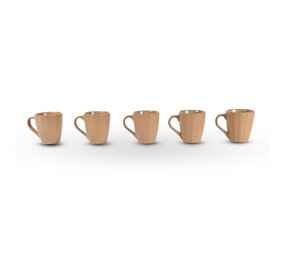
Discover our high-quality ceramic ...
Discover our high-quali...
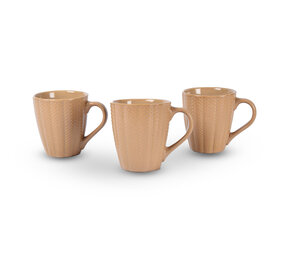
Discover our high-quality ceramic ...
Discover our high-quali...
Overige categorieën in Household, Living & Cooking
Cups for Espresso, Coffee, Cappuccino and Tea
Buy cups for coffee, espresso, cappuccino and tea
The right cup helps you serve the intended amount of coffee or tea without placing a small drink in an oversized container. A compact coffee cup suits espresso and short coffee, while a larger cup provides more room for lungo, cappuccino or tea. At Discountershop, you can compare cups by capacity, material, shape, handle, saucer and pack quantity.
Do not rely only on the product name. Terms such as espresso cup, coffee cup and cappuccino cup can represent different capacities depending on the manufacturer. The stated volume in millilitres and the complete dimensions provide a clearer indication of the actual size.
Before ordering, check:
- recommended serving capacity;
- total capacity up to the rim;
- height and diameter;
- width including the handle;
- rim shape and thickness;
- material and glaze;
- number of cups per package;
- whether matching saucers are included;
- dishwasher and microwave suitability;
- clearance beneath the coffee-machine outlet.
Which coffee cup suits your drink?
The required capacity depends on the drink, coffee-machine settings and the amount of milk or foam being added.
Common cup types include:
- Espresso cups: for small, concentrated servings of coffee.
- Coffee cups: for standard coffee and smaller machine-prepared drinks.
- Lungo cups: provide more capacity than a typical espresso cup.
- Cappuccino cups: leave room for espresso, warm milk and milk foam.
- Tea cups: may have a wider or larger shape than traditional coffee cups.
- Handleless cups: are held around the outside wall.
- Cup-and-saucer sets: pair each cup with a matching saucer.
For larger servings of filter coffee, tea or hot chocolate, link this page to Mugs. For drinks taken outside the home, include an internal link to Coffee Cups To Go.
Small coffee cups and espresso cups
A small coffee cup prevents a short drink from spreading across a large surface inside an oversized cup. Espresso cups often have a compact shape and relatively thick walls, although construction differs between products.
When comparing small cups, check:
- whether the capacity matches the machine setting;
- whether the cup stands securely on the drip tray;
- whether the handle provides enough finger space;
- whether the drinking rim has a suitable shape;
- whether the cup fits beneath the coffee outlet;
- whether a matching saucer is supplied.
A very small cup may suit a single espresso but provide too little room for a double espresso or coffee with milk. Measure the volume dispensed by your machine when necessary.
Cappuccino cups
A cappuccino cup should provide enough room for coffee, milk and foam. The opening is often wider than that of an espresso cup, allowing the milk foam to spread across a larger surface.
When comparing cappuccino cups, consider:
- usable capacity;
- diameter of the opening;
- shape of the inside wall;
- space left below the rim;
- stability on the saucer;
- clearance beneath the coffee outlet.
A ceramic cappuccino cup may retain heat differently from a thin glass cup. Only use heat-retention claims when the manufacturer identifies a specific insulating or thermal property.
Lungo cups and standard coffee cups
A lungo contains more water than an espresso and therefore requires a larger cup. A lungo cup is usually still more compact than a full-size coffee mug, making it suitable for automatic coffee machines and moderate drink portions.
Compare:
- the amount of coffee normally prepared;
- the height of the machine outlet;
- the width of the drip tray;
- room for milk or sugar;
- the filled weight of the cup;
- base stability.
Check whether the base sits flat. A narrow base may be less secure on some drip trays than a cup with a wider footprint.
Ceramic coffee cups
Ceramic is a broad term covering fired materials such as earthenware and porcelain. Ceramic coffee cups are produced with different wall thicknesses, glazes and surface finishes.
Check ceramic cups for:
- an intact and even glaze;
- a smooth drinking rim;
- cracks, chips or surface damage;
- a secure handle connection;
- permitted drink temperatures;
- dishwasher and microwave instructions.
A ceramic coffee cup may become warm on the outside. A handle reduces the need to hold the heated cup wall directly.
Earthenware coffee cups
Earthenware cups often have thicker walls and a more noticeable weight. Small differences in glaze, tone or surface texture may be part of the production finish on certain products.
An earthenware cup can be used for coffee or tea when its size and specifications match the drink. Check:
- whether the surface has a food-safe finish;
- whether unglazed areas can absorb moisture;
- whether the cup is suitable for hot contents;
- whether dishwasher cleaning is permitted;
- whether sudden temperature changes should be avoided.
Stop using an earthenware cup when deep cracks, loose fragments or sharp damage appear.
Porcelain cups
Porcelain generally has a smooth surface and can be produced with thinner walls than many earthenware products. Actual strength depends on the construction, wall thickness and finish.
Porcelain cups may be used for:
- espresso;
- regular coffee;
- cappuccino;
- tea;
- serving with a saucer;
- home, office or reception areas.
A white porcelain cup and saucer can be combined with many other tableware pieces. When the design includes decorative, coloured or metallic details, confirm whether dishwasher and microwave use is permitted.
Cups with handles
A handle provides a fixed grip without requiring the user to hold the warm outside wall. Handles on small coffee cups are usually more compact than those on mugs.
Check:
- space for one or more fingers;
- handle thickness;
- rounded contact edges;
- balance when the cup is filled;
- the connection between the handle and cup;
- total width in a cupboard or dishwasher.
A small handle may match the proportions of an espresso cup but may be less comfortable for users with larger hands.
Handleless ceramic cups
Handleless cups have a compact shape and may require less cupboard space. They are held around the cup wall and are available in ceramic, earthenware and other materials.
Before using a handleless cup with a hot drink, check:
- how warm the outside becomes;
- whether it has double-wall construction;
- whether the surface provides enough grip;
- whether it can be held comfortably with two hands;
- whether stacking is permitted by the manufacturer.
A handleless ceramic cup is not automatically insulated. The product information should identify the drinks and temperatures for which it is intended.
Cups and saucers
A saucer provides a fixed place for the cup and room for a teaspoon, sugar packet or small biscuit. The recessed section of the saucer should match the base of the cup.
Compare cup-and-saucer sets by:
- saucer diameter;
- shape of the cup base;
- fit inside the recessed ring;
- cup capacity;
- number of complete combinations;
- material and colour;
- cleaning instructions.
A set of six cups and saucers may contain six cups and six saucers, but always check the package description and total number of pieces. Retailers may count set components differently.
White cups and cup-and-saucer sets
White coffee cups can be combined with many tablecloths, serving dishes and other tableware. Coffee and tea marks may become visible more quickly on a pale interior.
When comparing a white cup and saucer, check:
- the shade of white;
- gloss or matte finish;
- colour consistency between the cup and saucer;
- visible seams or glaze marks;
- suitability for daily use;
- availability of replacement pieces.
Descriptions such as “premium” or “luxury” provide little practical information on their own. Compare the material, dimensions, finish and pack contents instead.
Complete cup sets
A complete cup set can be practical when several matching pieces are needed for home, work, visitors or a coffee station. Check whether the package contains only cups or includes saucers.
A package may contain:
- two separate coffee cups;
- four or six coffee cups;
- cups with matching saucers;
- several cup sizes;
- an espresso or cappuccino set;
- cups with spoons or other accessories.
Compare the price per usable cup or complete cup-and-saucer combination. This prevents a high total component count from giving a misleading impression of the number of servings included.
Coffee cups for home, offices and hospitality
For regular or intensive use, ease of cleaning, stackability and replacement availability become more important. Coffee cups for hospitality or business settings should be approved for the expected usage frequency.
When ordering multiple cups, check:
- consistent size and capacity;
- stackability;
- dishwasher suitability;
- handle and rim construction;
- availability of replacement pieces;
- fit on serving trays;
- storage space in cup racks;
- compatibility with the coffee machine.
A smaller set may be sufficient for home use. Offices, cafés and reception areas may benefit from additional pieces for breakage, dishwasher cycles and simultaneous service.
Ordering cups online
When buying cups online, you cannot feel the rim, weight or handle before ordering. Review the measurements and specifications carefully.
Check at least:
- total and usable capacity;
- height and diameter;
- material;
- product weight;
- width including the handle;
- number of cups;
- whether saucers are included;
- dishwasher and microwave suitability;
- use with hot or cold drinks.
Compare cups at Discountershop by drink type, capacity, material and pack quantity. Choose individual coffee cups or a complete set that suits your machine, cupboard space and number of users.
Frequently Asked Questions About Cups
What is the difference between total and usable cup capacity?
Total capacity is usually measured to the upper rim. In normal use, a cup is not always filled completely because some free space is needed to carry the drink without spilling. Usable capacity can therefore be lower. Check which measuring method is used in the product description.
Why do some coffee cups have a thick drinking rim?
A thicker rim may be part of the cup’s wall construction. It provides a different drinking sensation from a thin porcelain rim. Preference depends on the user and type of coffee. Review the dimensions and close-up images when the rim thickness is not stated separately.
How can I tell whether a cup fits securely on its saucer?
The cup base should fit inside the recessed ring or central section of the saucer. It should stand flat without sliding excessively. The safest option is usually the matching saucer supplied with the cup, as saucers from other ranges can have different recesses and diameters.
Can coffee cups be stacked safely?
Only when their shape supports stacking. Stackable cups are designed so the base fits safely into the opening or internal shape of the cup below. Do not create tall stacks with standard cups, and make sure handles do not press against neighbouring pieces. Soft separators can reduce scratches and pressure points.
Is porcelain or earthenware more practical for coffee cups?
Porcelain can be made thinner and lighter, while earthenware often has thicker walls and more weight. The better choice depends on the desired feel, serving style and maintenance requirements. Check each product’s dishwasher suitability, microwave instructions and resistance to sudden temperature changes.
Can an espresso cup be preheated before use?
Yes, when the cup material and manufacturer’s instructions permit it. Warm water or an approved cup-warming surface may be used. Avoid sudden temperature changes, and do not place a cold cup on a very hot surface without confirming that the material can tolerate it.
How many coffee cups are useful when serving guests?
This depends on how many people are served at the same time and how often washing takes place. A set of four or six may suit many households. Extra cups can be useful for regular gatherings, office use or hospitality settings where pieces may be in the dishwasher or temporarily unavailable.
Can one missing cup from a set be replaced separately?
Only when the same model remains available individually. Keep the product name, range, colour and capacity for reference. Slight colour differences can occur between production batches. When individual replacements are unavailable, purchasing another set may be necessary.
Why do some small cups perform poorly beneath coffee machines?
A cup may be too low beneath a fixed outlet, causing the coffee to splash. A narrow base may also stand less securely on the drip-tray grid. Check whether the outlet is adjustable and review the shape of the tray. Only use a cup platform or riser when the machine manufacturer permits it.
Can printed coffee cups go in the dishwasher?
That depends on how the decoration has been applied. Some designs sit beneath the glaze, while others remain on the surface and may wear more quickly. Use a dishwasher only when the product instructions allow it, and avoid placing decorated surfaces directly against other hard items.
