
 Household, Living & Cooking
 Outdoor, Travel & Sports
 DIY, Garden & Animals
 Fashion accessories & Shoes
 Car & Motor
 Computer & Electronics
 Office & School
 Beautiful & Healthy
 Toys
Toys Eat Drink
 Baby
Baby Christmas
 King's Day


 8
8Weighing & Measuring for Cooking and Baking
Weighing & Measuring: Kitchen Scales and Measuring Jugs for Cooking and Baking
Accurate weighing and measuring helps you follow recipes with the right proportions. In the Weighing & Measuring range at Discountershop, you can compare tools for dry and liquid ingredients, from a digital kitchen scale to measuring jugs with clear graduations. They are useful for baking, cooking, meal preparation and recipes where precise quantities matter.
Browse Cooking & Dining if you also need other kitchen tools for preparing and serving meals.
Kitchen scale or measuring jug: which one do you need?
A kitchen scale is useful when a recipe lists quantities in grams or kilograms. Use it for flour, sugar, butter, rice and other ingredients. A measuring jug is intended for volume, including millilitres or litres of water, milk, oil or stock.
Choose according to your use:
- Dry ingredients: use a scale when weight matters.
- Liquids: choose a jug with readable graduation marks.
- Baking: accurate measurements help maintain ingredient ratios.
- Everyday cooking: compare size, controls and measurement units.
- Storage: check the space the product requires.
Browse Kitchen Scales when you want to weigh ingredients directly before cooking or mixing.
Compare kitchen scales for baking and cooking
When you want to buy a kitchen scale, check maximum capacity and the smallest measurement increment. Standard recipes use larger amounts, while yeast, spices or coffee may need finer measurements. A clear digital display also makes readings easier.
A tare function lets you place a bowl on the scale, reset the display to zero and weigh only the contents. This is useful when adding several ingredients one after another.
Compare:
- maximum capacity;
- measurement increments and units;
- display readability;
- weighing surface size;
- tare function;
- power source;
- cleaning instructions.
For bowls and plates used during preparation and serving, browse Tableware.
Measuring jugs for liquids and recipe quantities
A measuring jug is useful when recipes specify volume instead of weight. Graduation marks help measure water, milk, stock and other liquids in millilitres or litres. Check which units are shown on the product before ordering.
Browse Measuring Jugs and compare capacity, material, graduation marks, handle, pouring spout and care instructions. Smaller jugs suit everyday recipes, while larger ones can help with soups, sauces, batter or drinks.
For measured coffee or tea, see Coffee & Tea Accessories. For drinking water, browse Water Filters & Drinking Bottles.
Weighing and measuring for recipes, portions and drinks
Kitchen scales and measuring jugs help control quantities for dough, batter, sauces, soups, drinks and portions. Using the unit stated in the recipe is more reliable than estimating by eye.
For serving drinks, browse Glasses. For cocktails or mixed drinks, see Drinks & Bar Accessories.
Matching Cutlery can complete the table when your meal is ready to serve.
Buying weighing and measuring tools online
Before ordering, decide whether you mainly need to measure weight, volume or both. Compare capacity, accuracy, units, graduation marks, size and care instructions so the product matches your usual recipes.
Use this buying check:
- Check the measurement range and units.
- Compare dimensions with your storage space.
- Choose capacity for your normal portion size.
- Read care instructions before purchase.
Watch our product videos on YouTube
Visit the Discountershop YouTube channel for product videos and practical examples covering kitchen and household items. These videos can provide extra context when comparing products before ordering.
Frequently asked questions about weighing and measuring in the kitchen
Which kitchen scale do I need for baking?
For baking, focus on accuracy, maximum capacity and the size of your mixing bowl. If you often weigh small amounts of yeast, spices or baking powder, a finer measurement increment can be useful.
How accurate should a kitchen scale be?
The required accuracy depends on what you weigh. Standard gram increments are usually suitable for flour, sugar and butter, while very small quantities benefit from finer increments. Always check the specifications of the scale.
What is the tare function on a kitchen scale?
The tare function resets the displayed weight to zero after you place an empty bowl on the scale. You can then weigh only the ingredients and add several items without subtracting the bowl weight yourself.
How much weight should a kitchen scale handle?
Choose the maximum capacity according to the portions you prepare. Remember that the bowl also adds weight. If you regularly make larger batches, bread dough or family portions, a higher maximum capacity is more practical.
Can you weigh liquids on a kitchen scale?
Yes, liquids can be weighed when a recipe gives the amount in grams. If the recipe uses millilitres or litres, a measuring jug is usually more direct. Follow the unit specified in the recipe.
What is a measuring jug used for in the kitchen?
A measuring jug is mainly used for measuring liquids such as water, milk, stock or oil. The graduations show how much has been added. Check the available capacity and measurement units before choosing a model.
How do you read a measuring jug correctly?
Place the jug on a flat surface and read the graduation marks at roughly eye level. This reduces errors caused by viewing the liquid from an angle. Always use the same unit stated in your recipe.
What is the difference between weighing and measuring ingredients?
Weighing measures the mass of an ingredient, usually in grams or kilograms. A measuring jug normally measures volume in millilitres or litres. Which method is best depends on the unit used in your recipe.
Can a measuring jug go in the dishwasher?
Dishwasher suitability varies by material and product. Always check the care instructions before cleaning your measuring jug. If dishwasher use is not stated, follow the recommended cleaning method to protect the jug and its graduation marks.
What should I check before buying kitchen measuring tools?
Start with the recipes you prepare most often and the units they use. Then compare capacity, accuracy, graduations, material, dimensions and cleaning instructions so the kitchen scale or measuring jug fits your everyday cooking and baking.
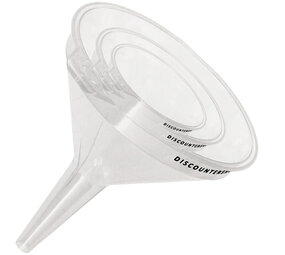
Transparent plastic funnel set in ...
Transparent plastic fun...
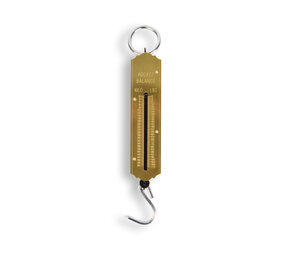
Discover our 1-piece Funnel Set an...
Discover our 1-piece Fu...
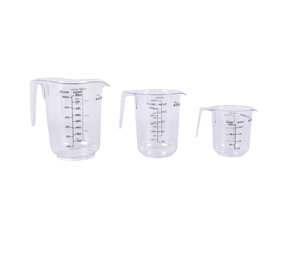
Experience the versatile 3-piece m...
Experience the versatil...
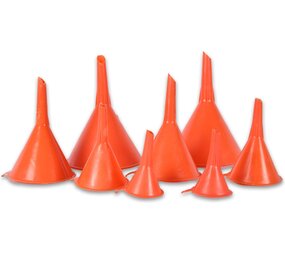
Discover our versatile funnel set ...
Discover our versatile ...
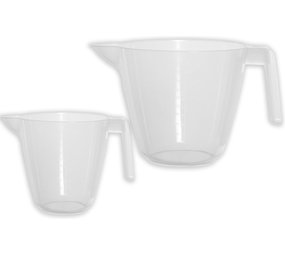
Measuring cup 2 pieces 1000 ml and...
Measuring cup 2 pieces ...
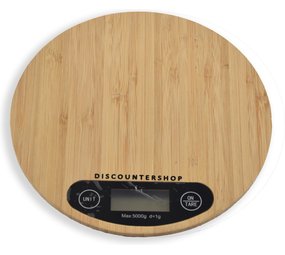
With a digital kitchen scale, you ...
With a digital kitchen ...
- Ordered on working days before 12:00, delivered the next day!
- Buy now, pay later
- Fast delivery in the Netherlands & Belgium
Overige categorieën in Household, Living & Cooking
Weighing & Measuring for Cooking and Baking
Weighing & Measuring: Kitchen Scales and Measuring Jugs for Cooking and Baking
Accurate weighing and measuring helps you follow recipes with the right proportions. In the Weighing & Measuring range at Discountershop, you can compare tools for dry and liquid ingredients, from a digital kitchen scale to measuring jugs with clear graduations. They are useful for baking, cooking, meal preparation and recipes where precise quantities matter.
Browse Cooking & Dining if you also need other kitchen tools for preparing and serving meals.
Kitchen scale or measuring jug: which one do you need?
A kitchen scale is useful when a recipe lists quantities in grams or kilograms. Use it for flour, sugar, butter, rice and other ingredients. A measuring jug is intended for volume, including millilitres or litres of water, milk, oil or stock.
Choose according to your use:
- Dry ingredients: use a scale when weight matters.
- Liquids: choose a jug with readable graduation marks.
- Baking: accurate measurements help maintain ingredient ratios.
- Everyday cooking: compare size, controls and measurement units.
- Storage: check the space the product requires.
Browse Kitchen Scales when you want to weigh ingredients directly before cooking or mixing.
Compare kitchen scales for baking and cooking
When you want to buy a kitchen scale, check maximum capacity and the smallest measurement increment. Standard recipes use larger amounts, while yeast, spices or coffee may need finer measurements. A clear digital display also makes readings easier.
A tare function lets you place a bowl on the scale, reset the display to zero and weigh only the contents. This is useful when adding several ingredients one after another.
Compare:
- maximum capacity;
- measurement increments and units;
- display readability;
- weighing surface size;
- tare function;
- power source;
- cleaning instructions.
For bowls and plates used during preparation and serving, browse Tableware.
Measuring jugs for liquids and recipe quantities
A measuring jug is useful when recipes specify volume instead of weight. Graduation marks help measure water, milk, stock and other liquids in millilitres or litres. Check which units are shown on the product before ordering.
Browse Measuring Jugs and compare capacity, material, graduation marks, handle, pouring spout and care instructions. Smaller jugs suit everyday recipes, while larger ones can help with soups, sauces, batter or drinks.
For measured coffee or tea, see Coffee & Tea Accessories. For drinking water, browse Water Filters & Drinking Bottles.
Weighing and measuring for recipes, portions and drinks
Kitchen scales and measuring jugs help control quantities for dough, batter, sauces, soups, drinks and portions. Using the unit stated in the recipe is more reliable than estimating by eye.
For serving drinks, browse Glasses. For cocktails or mixed drinks, see Drinks & Bar Accessories.
Matching Cutlery can complete the table when your meal is ready to serve.
Buying weighing and measuring tools online
Before ordering, decide whether you mainly need to measure weight, volume or both. Compare capacity, accuracy, units, graduation marks, size and care instructions so the product matches your usual recipes.
Use this buying check:
- Check the measurement range and units.
- Compare dimensions with your storage space.
- Choose capacity for your normal portion size.
- Read care instructions before purchase.
Watch our product videos on YouTube
Visit the Discountershop YouTube channel for product videos and practical examples covering kitchen and household items. These videos can provide extra context when comparing products before ordering.
Frequently asked questions about weighing and measuring in the kitchen
Which kitchen scale do I need for baking?
For baking, focus on accuracy, maximum capacity and the size of your mixing bowl. If you often weigh small amounts of yeast, spices or baking powder, a finer measurement increment can be useful.
How accurate should a kitchen scale be?
The required accuracy depends on what you weigh. Standard gram increments are usually suitable for flour, sugar and butter, while very small quantities benefit from finer increments. Always check the specifications of the scale.
What is the tare function on a kitchen scale?
The tare function resets the displayed weight to zero after you place an empty bowl on the scale. You can then weigh only the ingredients and add several items without subtracting the bowl weight yourself.
How much weight should a kitchen scale handle?
Choose the maximum capacity according to the portions you prepare. Remember that the bowl also adds weight. If you regularly make larger batches, bread dough or family portions, a higher maximum capacity is more practical.
Can you weigh liquids on a kitchen scale?
Yes, liquids can be weighed when a recipe gives the amount in grams. If the recipe uses millilitres or litres, a measuring jug is usually more direct. Follow the unit specified in the recipe.
What is a measuring jug used for in the kitchen?
A measuring jug is mainly used for measuring liquids such as water, milk, stock or oil. The graduations show how much has been added. Check the available capacity and measurement units before choosing a model.
How do you read a measuring jug correctly?
Place the jug on a flat surface and read the graduation marks at roughly eye level. This reduces errors caused by viewing the liquid from an angle. Always use the same unit stated in your recipe.
What is the difference between weighing and measuring ingredients?
Weighing measures the mass of an ingredient, usually in grams or kilograms. A measuring jug normally measures volume in millilitres or litres. Which method is best depends on the unit used in your recipe.
Can a measuring jug go in the dishwasher?
Dishwasher suitability varies by material and product. Always check the care instructions before cleaning your measuring jug. If dishwasher use is not stated, follow the recommended cleaning method to protect the jug and its graduation marks.
What should I check before buying kitchen measuring tools?
Start with the recipes you prepare most often and the units they use. Then compare capacity, accuracy, graduations, material, dimensions and cleaning instructions so the kitchen scale or measuring jug fits your everyday cooking and baking.

