
 Household, Living & Cooking
 Outdoor, Travel & Sports
 DIY, Garden & Animals
 Fashion accessories & Shoes
 Car & Motor
 Computer & Electronics
 Office & School
 Beautiful & Healthy
 Toys
Toys Eat Drink
 Baby
Baby Christmas
 King's Day


 8
8Sink Organisers for Sponges, Brushes and a Tidier Washing-Up Area
Sink Organisers for a More Practical Washing-Up Area
Small items quickly collect around a kitchen sink. A sponge sits beside the tap, a dish brush leans against the washing-up liquid and a damp cloth remains on the worktop. Each item takes up little space, but together they can make the sink area harder to use and allow water to remain on the surface.
With Sink Organisers, frequently used washing-up items can have a fixed place. Within Kitchen Organisers, this category is specifically suited to the wet working zone: products that regularly come into contact with water, soap, food residue and damp hands.
At Discountershop, it is therefore useful to compare drainage, airflow, compartment layout, mounting and the space available around the tap rather than simply choosing the organiser that holds the greatest number of items.
What should you keep in a sink organiser?
A sink organiser is mainly intended for small items you use repeatedly while washing dishes. This may include a sponge, dish brush, cloth, compact bottle of washing-up liquid or another small cleaning tool.
That does not mean every kitchen accessory belongs in the same holder.
Cooking tools, knives and dry food-preparation accessories are usually better stored in a different zone. Kitchen Utensils are generally more useful close to the preparation or cooking area.
If you prefer to store suitable dry items vertically, Kitchen Hangers can keep utensils with hanging loops off the worktop.
Why drainage matters more than the number of compartments
A sponge or dish brush becomes wet repeatedly. If the remaining water has nowhere to go, the bottom of the item stays damp for longer.
For this reason, an organiser with drainage holes, slots or a removable drip section can be more practical than a completely closed container.
Check three points:
- Can water escape from the sponge compartment?
- Can air circulate around wet items?
- Can you easily clean the area where water and soap collect?
Drainage holes do not solve every moisture problem automatically. If the organiser itself stands in a puddle around the tap, its outer surfaces remain wet as well. Placement still matters.
Sponges, cloths and dish brushes dry differently
A thin dishcloth behaves differently from a compact sponge. A brush can retain water between its bristles even when the handle feels dry.
When the organiser has enough room, avoid pressing all wet cleaning items tightly together.
For Dish Brushes, an upright position can be useful when the brush and holder are designed for it. This keeps the bristles more exposed and gives remaining water a clearer route to drain.
A sponge is also better positioned where air can reach several sides rather than being trapped flat underneath a bottle of washing-up liquid.
Choose the size according to your sink area
A larger organiser provides more compartments, but it also occupies more worktop or sink-edge space.
Before choosing one, measure the available area:
- between the tap and back wall;
- beside the sink;
- on the sink rim if the organiser is designed for it;
- between the tap and any built-in soap dispenser;
- beneath a window, shelf or wall cabinet.
Also consider the movement of the tap. A tall dish brush positioned directly beneath a swivelling spout may have to be moved every time the tap is turned.
A double sink can also leave a very different amount of usable space from one large basin. Choose according to the layout you actually have.
Separate compartments help keep washing-up items apart
A multi-compartment organiser is most useful when each section has a clear purpose.
One compartment can hold the sponge while another supports the dish brush. If the design includes a rail, it may provide a separate place for a cloth.
This prevents a wet sponge from sitting directly on top of a damp cloth.
Avoid mixing food-preparation tools into the same area. Even Kitchen Utensil Sets are better kept away from products used to clean the sink and dirty dishes.
The simplest rule is: the sink organiser is a cleaning station, not a general kitchen container.
Using a sink organiser beside a dish rack
A sink organiser and a dish rack solve different storage problems.
The organiser holds the tools used during washing. Dish Racks hold washed plates, glasses, cups and other dishes while excess water drains away.
When both sit beside the sink, leave enough room to transfer dishes from the basin to the rack without knocking over bottles or brushes.
Also check where water from the dish rack drains. If the sink organiser sits directly in that path, it may stay wet even after its own compartments have drained.
A sink strainer and organiser need separate roles
A Sink Strainer sits in or around the drain and helps catch larger food particles before they enter the waste pipe.
After collecting food residue, it should not be placed directly beside clean sponges without being emptied and cleaned first.
Clean the strainer according to the product instructions. Only give it a place in or near the organiser when the design allows it to remain separate from clean washing-up tools.
Otherwise, an attempt to organise the sink can end up placing dirty and clean items against one another.
Freestanding, hanging or mounted sink organisers
Not every sink organiser sits freely on the worktop. Depending on the product, it may hang from an edge, attach to a suitable surface or use another mounting system.
A freestanding model is easy to move when cleaning the worktop.
A fixed model stays in one place more reliably but requires more attention to the mounting surface and installation method.
If a magnetic solution is used, first check whether the surface is actually suitable. Hanging Magnets depend on sufficient magnetic attraction and will not work equally well on every metallic-looking surface.
For adhesive or suction-based products, follow the mounting instructions supplied with the individual organiser.
Clean the organiser itself regularly
A sink organiser may keep the worktop more orderly, but it is also exposed to water, washing-up liquid, grease and small food particles.
Remove the contents regularly and inspect:
- the bottom and drainage holes;
- corners of compartments;
- attachment points;
- the area beneath removable trays;
- any rail used for a cloth.
Soap residue can build into a slippery layer. If drainage openings become blocked, one of the main benefits of the organiser is lost.
Always check the product specifications before placing parts in a dishwasher. Not every plastic, coating, suction cup or mounting component is dishwasher-safe.
Where should washing-up liquid go?
A bottle of washing-up liquid can sit inside the organiser when the compartment is wide and stable enough.
Pay attention to the height of the bottle. A tall bottle placed in a shallow compartment may tip when the organiser is knocked with wet hands.
For pump bottles, the base also needs proper support because pressing the pump repeatedly applies downward force.
A small bottle can remain beside the organiser if that is more stable. A sink organiser does not need to contain absolutely everything around the sink.
Avoid blocking the sink itself
In compact kitchens, placing an organiser partly over the sink can save worktop space, but check that you still have enough room for larger pans, bowls and trays.
The tap should be able to move freely, and you should be able to lift items from the sink without hitting the organiser.
For larger cleaning supplies and reserve products, general Storage away from the immediate washing-up area is often more practical.
Spare sponges can be kept in Storage Boxes or Storage Baskets rather than surrounding the tap with an entire multipack.
Keep daily supplies at the sink and reserves elsewhere
A useful sink organiser contains what you are currently using, not your entire household supply.
One sponge, one brush and the active bottle of washing-up liquid are usually enough for the immediate sink area. Spare packs simply occupy space and are unnecessarily exposed to water.
Larger quantities of household supplies can be stored in Storage Boxes & Bins.
For larger items used less frequently, Storage Chests can provide space elsewhere.
Flexible household items may be kept in Storage Bags & Sacks when that form of storage suits the contents.
This keeps the sink area focused on the daily washing-up routine.
Why storage needs differ between rooms
The area around a sink has completely different conditions from a bedroom, wardrobe or dry cupboard. Water, soap and food contact are part of everyday use.
That means this zone benefits from materials suitable for the intended environment and a layout that is easy to clean.
Bedroom Organisers serve a different storage purpose and do not need the same emphasis on drainage, wet accessories and access around a tap.
This functional difference is exactly why a purpose-built sink organiser can work better than a random storage container placed beside the basin.
When is your current sink layout no longer practical?
An organiser should reduce the number of things you have to move while washing up.
Review the arrangement if the sponge constantly disappears beneath the washing-up liquid, the brush falls over, water collects under the tray or the entire organiser has to be moved every time you use the tap.
A smaller model with fewer compartments can sometimes work better than a large holder that gathers everything into one crowded area.
The best size is therefore not the organiser that holds the most items. It is the one that supports your washing-up routine without reducing the usable space around the sink.
Watch Discountershop on YouTube
Visit the Discountershop YouTube channel for product videos and practical examples covering kitchen organisation, storage, washing-up and other household products.
Frequently Asked Questions About Sink Organisers
Why should a sponge have ventilation inside a sink organiser?
A wet sponge dries more slowly when pressed against other items or a closed base. A holder with open space around the sponge helps residual water drain away and gives moisture more opportunity to evaporate.
How can you prevent soapy water from collecting at the bottom of the organiser?
Keep drainage holes clear and empty removable drip sections regularly. Avoid placing the organiser in a permanent puddle around the tap, as water can otherwise continue entering the holder from outside.
Is a separate compartment for a dish brush useful?
Yes, especially when the brush can stand upright without touching other items. Separating it helps keep wet bristles exposed and prevents the sponge, cloth and brush from remaining pressed together after use.
How do you choose the correct width for a sink organiser?
Measure the available space between the tap, sink rim and back wall. Also account for the tap's movement and the height of brushes or bottles that will project above the organiser.
Can a dishcloth remain hanging over the organiser?
It can dry there if the design provides enough airflow. Avoid folding a wet cloth into several thick layers over a narrow rail because the inner sections will take considerably longer to dry.
Why can deposits form on the bottom of a sink organiser?
Drying water may leave mineral residue, while washing-up liquid and food particles can create additional build-up. Regular emptying and cleaning helps keep drainage holes clear and makes deposits easier to remove.
Does a sink organiser have to sit directly beside the tap?
No. Place it where the sponge and brush remain easy to reach without blocking the tap, sink or drying area. In a small kitchen, moving it only a few centimetres can improve access considerably.
Can a tall washing-up liquid bottle fit in any organiser compartment?
Not necessarily. The compartment must be wide and deep enough to support the bottle securely. A pump bottle also applies downward pressure during use, so the organiser needs to remain stable when pressed.
Why should spare sponges be stored away from the sink organiser?
Unused sponges do not need daily exposure to water and soap. Keeping only the active sponge near the sink reduces clutter while allowing the remaining supply to stay clean and dry elsewhere.
When should a sink organiser be replaced?
Replace it when drainage can no longer be cleaned effectively, plastic cracks, mounting parts loosen, sections deform or persistent deposits remain trapped in damaged surfaces despite thorough cleaning.
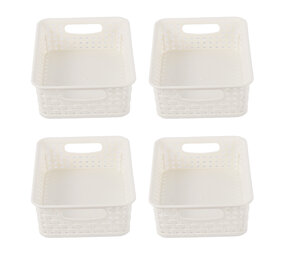
White plastic storage basket with ...
White plastic storage b...
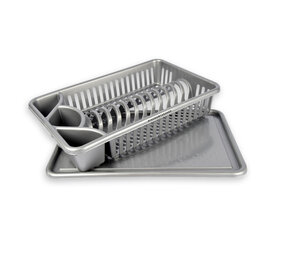
Discover our versatile dish rack, ...
Discover our versatile ...
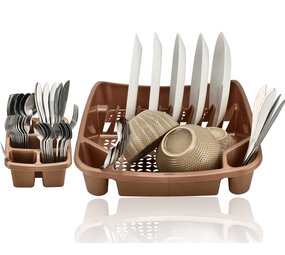
Dish drying rack with cutlery hold...
Dish drying rack with c...
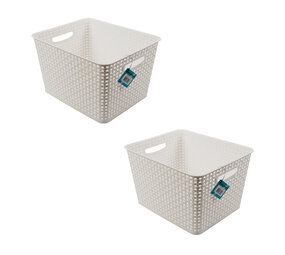
Conquer clutter with these strong ...
Conquer clutter with th...
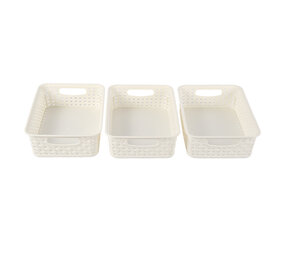
white storage baskets - light and ...
white storage baskets -...
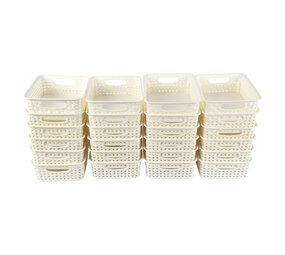
Functional plastic storage baskets...
Functional plastic stor...
- Ordered on working days before 12:00, delivered the next day!
- Buy now, pay later
- Fast delivery in the Netherlands & Belgium
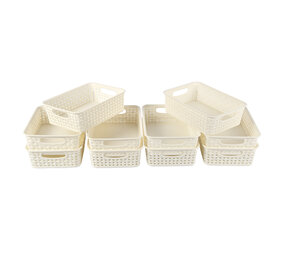
10 stylish white storage baskets (...
10 stylish white storag...
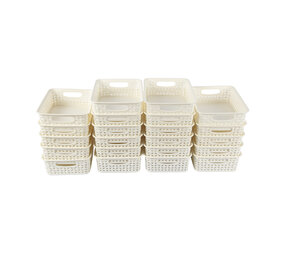
Practical white plastic storage bi...
Practical white plastic...
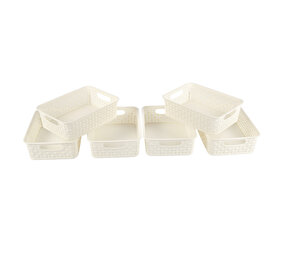
6 Modern white storage baskets (20...
6 Modern white storage ...
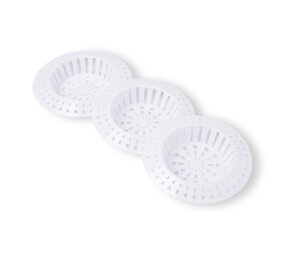
Buy our plastic drain strainer in ...
Buy our plastic drain s...
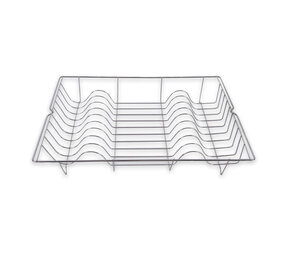
Discover our handy dish drainer fo...
Discover our handy dish...
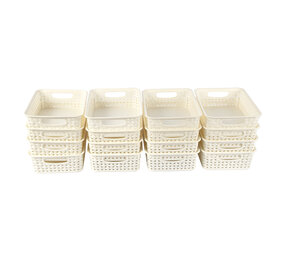
Efficient set of 16 white storage ...
Efficient set of 16 whi...
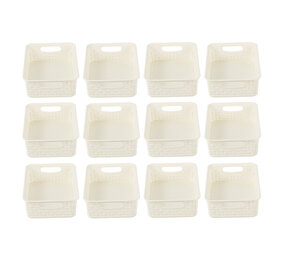
Efficient solution for organizing ...
Efficient solution for ...
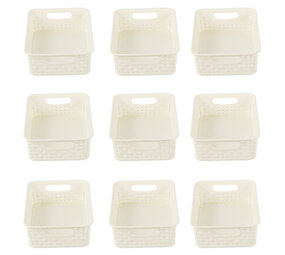
Create order in your home with thi...
Create order in your ho...
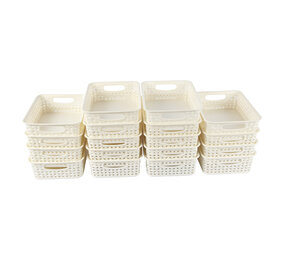
Keep your home organized with 18 w...
Keep your home organize...
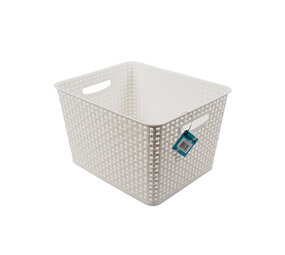
Transform your space with our 17L ...
Transform your space wi...
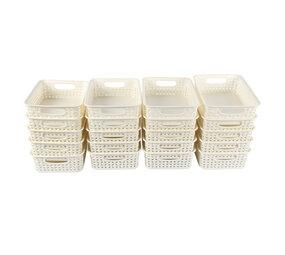
Keep your home organized with 18 w...
Keep your home organize...
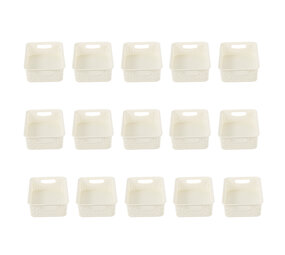
Handy set of 15 white storage bask...
Handy set of 15 white s...
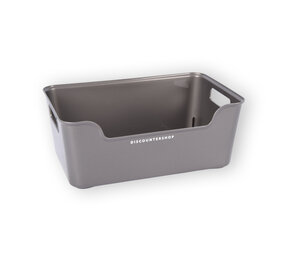
Elegant storage basket made of gra...
Elegant storage basket ...
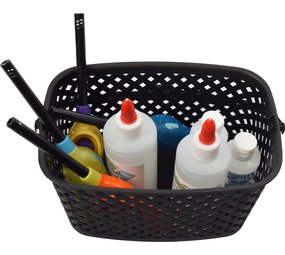
Plastic storage bin with handles, ...
Plastic storage bin wit...
Overige categorieën in Household, Living & Cooking
Sink Organisers for Sponges, Brushes and a Tidier Washing-Up Area
Sink Organisers for a More Practical Washing-Up Area
Small items quickly collect around a kitchen sink. A sponge sits beside the tap, a dish brush leans against the washing-up liquid and a damp cloth remains on the worktop. Each item takes up little space, but together they can make the sink area harder to use and allow water to remain on the surface.
With Sink Organisers, frequently used washing-up items can have a fixed place. Within Kitchen Organisers, this category is specifically suited to the wet working zone: products that regularly come into contact with water, soap, food residue and damp hands.
At Discountershop, it is therefore useful to compare drainage, airflow, compartment layout, mounting and the space available around the tap rather than simply choosing the organiser that holds the greatest number of items.
What should you keep in a sink organiser?
A sink organiser is mainly intended for small items you use repeatedly while washing dishes. This may include a sponge, dish brush, cloth, compact bottle of washing-up liquid or another small cleaning tool.
That does not mean every kitchen accessory belongs in the same holder.
Cooking tools, knives and dry food-preparation accessories are usually better stored in a different zone. Kitchen Utensils are generally more useful close to the preparation or cooking area.
If you prefer to store suitable dry items vertically, Kitchen Hangers can keep utensils with hanging loops off the worktop.
Why drainage matters more than the number of compartments
A sponge or dish brush becomes wet repeatedly. If the remaining water has nowhere to go, the bottom of the item stays damp for longer.
For this reason, an organiser with drainage holes, slots or a removable drip section can be more practical than a completely closed container.
Check three points:
- Can water escape from the sponge compartment?
- Can air circulate around wet items?
- Can you easily clean the area where water and soap collect?
Drainage holes do not solve every moisture problem automatically. If the organiser itself stands in a puddle around the tap, its outer surfaces remain wet as well. Placement still matters.
Sponges, cloths and dish brushes dry differently
A thin dishcloth behaves differently from a compact sponge. A brush can retain water between its bristles even when the handle feels dry.
When the organiser has enough room, avoid pressing all wet cleaning items tightly together.
For Dish Brushes, an upright position can be useful when the brush and holder are designed for it. This keeps the bristles more exposed and gives remaining water a clearer route to drain.
A sponge is also better positioned where air can reach several sides rather than being trapped flat underneath a bottle of washing-up liquid.
Choose the size according to your sink area
A larger organiser provides more compartments, but it also occupies more worktop or sink-edge space.
Before choosing one, measure the available area:
- between the tap and back wall;
- beside the sink;
- on the sink rim if the organiser is designed for it;
- between the tap and any built-in soap dispenser;
- beneath a window, shelf or wall cabinet.
Also consider the movement of the tap. A tall dish brush positioned directly beneath a swivelling spout may have to be moved every time the tap is turned.
A double sink can also leave a very different amount of usable space from one large basin. Choose according to the layout you actually have.
Separate compartments help keep washing-up items apart
A multi-compartment organiser is most useful when each section has a clear purpose.
One compartment can hold the sponge while another supports the dish brush. If the design includes a rail, it may provide a separate place for a cloth.
This prevents a wet sponge from sitting directly on top of a damp cloth.
Avoid mixing food-preparation tools into the same area. Even Kitchen Utensil Sets are better kept away from products used to clean the sink and dirty dishes.
The simplest rule is: the sink organiser is a cleaning station, not a general kitchen container.
Using a sink organiser beside a dish rack
A sink organiser and a dish rack solve different storage problems.
The organiser holds the tools used during washing. Dish Racks hold washed plates, glasses, cups and other dishes while excess water drains away.
When both sit beside the sink, leave enough room to transfer dishes from the basin to the rack without knocking over bottles or brushes.
Also check where water from the dish rack drains. If the sink organiser sits directly in that path, it may stay wet even after its own compartments have drained.
A sink strainer and organiser need separate roles
A Sink Strainer sits in or around the drain and helps catch larger food particles before they enter the waste pipe.
After collecting food residue, it should not be placed directly beside clean sponges without being emptied and cleaned first.
Clean the strainer according to the product instructions. Only give it a place in or near the organiser when the design allows it to remain separate from clean washing-up tools.
Otherwise, an attempt to organise the sink can end up placing dirty and clean items against one another.
Freestanding, hanging or mounted sink organisers
Not every sink organiser sits freely on the worktop. Depending on the product, it may hang from an edge, attach to a suitable surface or use another mounting system.
A freestanding model is easy to move when cleaning the worktop.
A fixed model stays in one place more reliably but requires more attention to the mounting surface and installation method.
If a magnetic solution is used, first check whether the surface is actually suitable. Hanging Magnets depend on sufficient magnetic attraction and will not work equally well on every metallic-looking surface.
For adhesive or suction-based products, follow the mounting instructions supplied with the individual organiser.
Clean the organiser itself regularly
A sink organiser may keep the worktop more orderly, but it is also exposed to water, washing-up liquid, grease and small food particles.
Remove the contents regularly and inspect:
- the bottom and drainage holes;
- corners of compartments;
- attachment points;
- the area beneath removable trays;
- any rail used for a cloth.
Soap residue can build into a slippery layer. If drainage openings become blocked, one of the main benefits of the organiser is lost.
Always check the product specifications before placing parts in a dishwasher. Not every plastic, coating, suction cup or mounting component is dishwasher-safe.
Where should washing-up liquid go?
A bottle of washing-up liquid can sit inside the organiser when the compartment is wide and stable enough.
Pay attention to the height of the bottle. A tall bottle placed in a shallow compartment may tip when the organiser is knocked with wet hands.
For pump bottles, the base also needs proper support because pressing the pump repeatedly applies downward force.
A small bottle can remain beside the organiser if that is more stable. A sink organiser does not need to contain absolutely everything around the sink.
Avoid blocking the sink itself
In compact kitchens, placing an organiser partly over the sink can save worktop space, but check that you still have enough room for larger pans, bowls and trays.
The tap should be able to move freely, and you should be able to lift items from the sink without hitting the organiser.
For larger cleaning supplies and reserve products, general Storage away from the immediate washing-up area is often more practical.
Spare sponges can be kept in Storage Boxes or Storage Baskets rather than surrounding the tap with an entire multipack.
Keep daily supplies at the sink and reserves elsewhere
A useful sink organiser contains what you are currently using, not your entire household supply.
One sponge, one brush and the active bottle of washing-up liquid are usually enough for the immediate sink area. Spare packs simply occupy space and are unnecessarily exposed to water.
Larger quantities of household supplies can be stored in Storage Boxes & Bins.
For larger items used less frequently, Storage Chests can provide space elsewhere.
Flexible household items may be kept in Storage Bags & Sacks when that form of storage suits the contents.
This keeps the sink area focused on the daily washing-up routine.
Why storage needs differ between rooms
The area around a sink has completely different conditions from a bedroom, wardrobe or dry cupboard. Water, soap and food contact are part of everyday use.
That means this zone benefits from materials suitable for the intended environment and a layout that is easy to clean.
Bedroom Organisers serve a different storage purpose and do not need the same emphasis on drainage, wet accessories and access around a tap.
This functional difference is exactly why a purpose-built sink organiser can work better than a random storage container placed beside the basin.
When is your current sink layout no longer practical?
An organiser should reduce the number of things you have to move while washing up.
Review the arrangement if the sponge constantly disappears beneath the washing-up liquid, the brush falls over, water collects under the tray or the entire organiser has to be moved every time you use the tap.
A smaller model with fewer compartments can sometimes work better than a large holder that gathers everything into one crowded area.
The best size is therefore not the organiser that holds the most items. It is the one that supports your washing-up routine without reducing the usable space around the sink.
Watch Discountershop on YouTube
Visit the Discountershop YouTube channel for product videos and practical examples covering kitchen organisation, storage, washing-up and other household products.
Frequently Asked Questions About Sink Organisers
Why should a sponge have ventilation inside a sink organiser?
A wet sponge dries more slowly when pressed against other items or a closed base. A holder with open space around the sponge helps residual water drain away and gives moisture more opportunity to evaporate.
How can you prevent soapy water from collecting at the bottom of the organiser?
Keep drainage holes clear and empty removable drip sections regularly. Avoid placing the organiser in a permanent puddle around the tap, as water can otherwise continue entering the holder from outside.
Is a separate compartment for a dish brush useful?
Yes, especially when the brush can stand upright without touching other items. Separating it helps keep wet bristles exposed and prevents the sponge, cloth and brush from remaining pressed together after use.
How do you choose the correct width for a sink organiser?
Measure the available space between the tap, sink rim and back wall. Also account for the tap's movement and the height of brushes or bottles that will project above the organiser.
Can a dishcloth remain hanging over the organiser?
It can dry there if the design provides enough airflow. Avoid folding a wet cloth into several thick layers over a narrow rail because the inner sections will take considerably longer to dry.
Why can deposits form on the bottom of a sink organiser?
Drying water may leave mineral residue, while washing-up liquid and food particles can create additional build-up. Regular emptying and cleaning helps keep drainage holes clear and makes deposits easier to remove.
Does a sink organiser have to sit directly beside the tap?
No. Place it where the sponge and brush remain easy to reach without blocking the tap, sink or drying area. In a small kitchen, moving it only a few centimetres can improve access considerably.
Can a tall washing-up liquid bottle fit in any organiser compartment?
Not necessarily. The compartment must be wide and deep enough to support the bottle securely. A pump bottle also applies downward pressure during use, so the organiser needs to remain stable when pressed.
Why should spare sponges be stored away from the sink organiser?
Unused sponges do not need daily exposure to water and soap. Keeping only the active sponge near the sink reduces clutter while allowing the remaining supply to stay clean and dry elsewhere.
When should a sink organiser be replaced?
Replace it when drainage can no longer be cleaned effectively, plastic cracks, mounting parts loosen, sections deform or persistent deposits remain trapped in damaged surfaces despite thorough cleaning.
