 Household, Living & Cooking
 Outdoor, Travel & Sports
 DIY, Garden & Animals
 Fashion accessories & Shoes
 Car & Motor
 Computer & Electronics
 Office & School
 Beautiful & Healthy
 Toys
Toys Eat Drink
 Baby
Baby Christmas
 King's Day


 8
8Gas Bottles and Cylinders for Gas Barbecues, Outdoor Cooking and Camping
Butane Gas Bottles and Cartridges for Camping and Outdoor Cooking
A butane gas bottle or cartridge provides a compact fuel supply for compatible camping stoves, portable tabletop burners and certain refillable lighters. Its manageable size makes a butane canister practical for camping trips, picnics and outdoor cooking in suitable locations.
This Discountershop category includes butane products intended for several specific applications. When ordering, consider more than the cartridge capacity. The connection and valve type are particularly important. A gas cartridge that looks like the right size may still be incompatible with your stove, burner or lighter.
Please note: this category contains butane gas bottles, cartridges and lighter-refill gas. It does not contain automotive LPG cylinders or large refillable gas cylinders.
What can a butane gas canister be used for?
Depending on the product, its valve and the appliance manufacturer’s instructions, butane gas may be suitable for:
a compatible camping stove or camping burner;
a portable tabletop stove used outdoors;
preparing meals at a campsite or picnic location;
outdoor kitchens designed for the specified cartridge;
refilling compatible butane lighters;
operating a suitable gas lighter for igniting a barbecue.
Lighter-refill gas and camping stove cartridges are not interchangeable. Never connect a lighter-refill can to a camping burner unless the appliance manufacturer explicitly states that the combination is permitted.
Visit Lighters if you need a compatible refillable lighter. Suitable hoses, connectors or other components may be found under Gas Accessories, but only use parts approved for the appliance, gas type and specified pressure.
How to choose the correct butane gas cartridge
Consult the appliance manual and rating plate before ordering. Compare at least the following details:
Gas type: the appliance must be designed for butane or the specified gas mixture.
Connection: this may be a threaded cartridge, bayonet cartridge, valve cartridge or piercing canister.
Cartridge dimensions: the canister must fit correctly inside the appliance or cartridge compartment.
Operating pressure: use a pressure regulator only when required by the manufacturer.
Capacity: compare the weight in grams or stated volume when selecting a size.
Operating position: some canisters must remain upright while connected and in use.
Never modify an incompatible connection with improvised adapters, additional sealing rings or tools. Forcing a cartridge into place can damage its valve or seal, allowing flammable butane gas to escape.
Connecting and using a cartridge safely
Place the camping stove outdoors on a firm, level and heat-resistant surface. Keep it well away from tent fabric, dry grass, parasols, clothing, paper and other combustible materials. Make sure all appliance controls are switched off before connecting the gas cartridge.
Use the following procedure:
Read the cartridge label and appliance instructions completely.
Inspect the canister, valve, seal and connection for dents, corrosion, dirt or damage.
Connect it away from flames, cigarettes, sparks, hot barbecues and other ignition sources.
Do not force the connection or tighten a hand-operated fitting with pliers.
Check for leakage using the method specified by the manufacturer. Never search for a leak with a flame.
Light the burner only if there is no gas smell or hissing sound around the connection.
Remain with the stove while it is operating and keep children and pets away.
Turn off the gas after use and allow the stove and cookware to cool completely.
A piercing cartridge without a self-sealing valve usually cannot be removed safely while it still contains gas. It should remain connected until empty, subject to the appliance instructions. A cartridge with a self-sealing valve may have a different removal procedure. Always follow the instructions for that particular product.
Never use a camping stove in an enclosed tent, car, campervan, caravan or other poorly ventilated space. Incomplete combustion can produce carbon monoxide. A camping stove must also never be used as a space heater.
Choose the Correct Gas Cartridge
Refilling lighters with butane gas
Before refilling a lighter, confirm that it is refillable and check which nozzle or adapter it requires. Allow the lighter to cool. Refill it outdoors or in a well-ventilated location, away from flames, sparks, cigarettes and hot surfaces.
Hold the refill can in the position specified on its label and press the nozzle straight into the lighter’s filling valve. Stop if gas escapes around the connection. Repeatedly pressing at an angle can damage the valve or refill nozzle.
Do not touch escaping liquid butane with bare skin. Rapid evaporation can cause a cold injury. After filling, allow dispersed gas to clear and wait for the period stated on the product label before testing the lighter. Do not ignite it immediately if gas has escaped nearby.
Storage and transport
Store butane gas canisters in a cool, dry and well-ventilated place that children cannot access. Keep them away from direct sunlight, radiators, stoves, barbecues and other sources of heat. Never leave a gas cartridge inside a hot parked vehicle. Increased temperature raises the pressure inside the container.
Keep the protective cap fitted when the product includes one. Protect cartridges from falling, rolling around or being struck by other equipment. Do not place heavy luggage on top of them or transport a cartridge with a damaged valve.
When taking butane cartridges on a journey, check the rules of your carrier, campsite and destination. Gas cartridges may be prohibited on aircraft and subject to restrictions on ferries, public transport or international routes.
What should you do with an empty cartridge?
A disposable butane cartridge must not be refilled, punctured, crushed or burned. An apparently empty cartridge may still contain flammable gas or vapour.
Check your municipality’s waste-disposal instructions for empty and partially filled gas canisters. A cartridge that still contains gas should not automatically be placed with ordinary household waste. Keep it away from ignition sources while arranging the correct disposal method.
Watch our product videos
Would you like to see the shape, valve or intended application of selected butane gas cartridges? Visit the DiscountershopYouTube channel for product videos about our gas canisters and related accessories. Videos can support product selection, but the cartridge label and your appliance manual must always take priority.
View Butane Gas Bottles
Frequently asked questions about butane gas bottles
1. Does every butane cartridge fit every camping stove?
No. Camping stoves can require a threaded, bayonet, valve or piercing cartridge. Use only the cartridge type, gas composition and capacity approved in the appliance manual.
2. What is the difference between a butane cartridge and an LPG cylinder?
A butane cartridge is generally a compact container made for a particular portable appliance. Automotive LPG is dispensed through vehicle-fuelling equipment and must never be used to refill a disposable cartridge or ordinary gas bottle.
3. Why does a butane stove perform poorly in cold weather?
Butane does not vaporise as effectively at low temperatures, reducing the available gas pressure. This can produce a smaller or unstable flame. Never heat a cartridge artificially; check its permitted operating-temperature range.
4. What should I do if I smell gas?
Extinguish all flames, avoid electrical switches and close the gas supply if this can be done safely. Ventilate the area and move people away. Do not reuse the appliance until the source of the leak has been identified.
5. Can I remove a piercing cartridge before it is empty?
Usually not. If the cartridge has no self-sealing valve, removing it can release its remaining contents. Leave it installed until empty unless the appliance instructions state otherwise.
6. Can lighter-refill gas be used in a camping stove?
Not unless the stove manufacturer explicitly approves that fuel container and connection. Lighter gas cans and camping cartridges are designed for different filling or connection systems.
7. How can I check a gas connection for leaks?
Use the procedure in the appliance manual. Suitable bottle connections may sometimes be checked with soapy water; growing bubbles indicate a leak. Never perform a leak test with a match or lighter.
8. Can I use a butane stove inside an open tent?
No. Tent fabric presents a fire risk, and changing airflow does not guarantee safe ventilation. Operate the stove outdoors, away from the tent and other combustible materials.
9. Can a disposable butane cartridge be refilled?
No. A non-refillable cartridge is not built for repeated filling. Attempting to refill it can cause overfilling, valve damage, leakage, fire or explosion.
10. How can I tell whether a butane cartridge is completely empty?
Follow the cartridge manufacturer’s instructions. Do not assume it is empty merely because the burner stops working: cold conditions or a faulty connection can have the same effect. Never puncture or burn it to check.
Order the correct butane product
Compare the connection, valve, capacity and intended application before placing your order. Select only a butane gas bottle, gas cartridge or refill can confirmed as compatible with your camping stove, outdoor burner or lighter.
Value pack containing 24 400ml butane gas cans for compatible MSF-1a weed burners and gas torches. Suitable for maintain...
Value pack containing 24 ...
Buy a butane gas bottle for refillable lighters. This 250ml gas can with 5 adapters fits various refill valves and is in...
Buy a butane gas bottle f...
Bulk pack containing 30 400ml butane gas cans for compatible MSF-1a stoves and burners. Suitable for clubs - group trave...
Bulk pack containing 30 4...
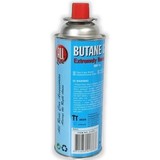
400ml butane gas can with an MSF-1a valve connection. Suitable for compatible camping stoves, gas burners and other appl...
400ml butane gas can with...
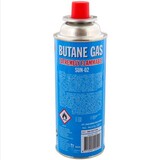
Value pack containing 20 resealable butane gas cans for compatible SUN-02 appliances. Intended for suitable portable sto...
Value pack containing 20 ...
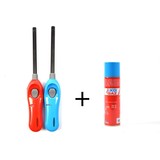
Kitchen Lighter set with 2 refillable gas lighters, 26 cm long, and butane gas. Suitable for BBQ, candles, gas hobs, kit...
Kitchen Lighter set with ...
- Ordered on working days before 12:00, delivered the next day!
- Buy now, pay later
- Fast delivery in the Netherlands & Belgium
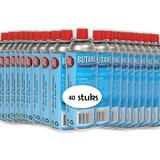
Bulk pack containing 40 400ml butane gas cans for compatible MSF-1a stoves and burners. Intended for events - multiple l...
Bulk pack containing 40 4...
Multipack containing six 400ml butane gas cans for compatible MSF-1a camping stoves and burners. Suitable for camping ho...
Multipack containing six ...
Bulk pack containing 24 400ml butane gas cans for compatible MSF-1a stoves and burners. Intended for group camping - eve...
Bulk pack containing 24 4...
Set of ten 400ml butane gas cans for compatible MSF-1a camping stoves and burners. A practical supply for camping holida...
Set of ten 400ml butane g...
Value pack containing twenty 400ml butane gas cans for compatible MSF-1a stoves and burners. Suitable for group travel -...
Value pack containing twe...
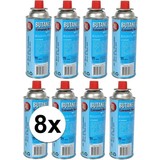
Set of eight 400ml butane gas cans for compatible MSF-1a stoves and burners. Suitable for short holidays - road trips - ...
Set of eight 400ml butane...
Overige categorieën in Household, Living & Cooking
Gas Bottles and Cylinders for Gas Barbecues, Outdoor Cooking and Camping
Butane Gas Bottles and Cartridges for Camping and Outdoor Cooking
A butane gas bottle or cartridge provides a compact fuel supply for compatible camping stoves, portable tabletop burners and certain refillable lighters. Its manageable size makes a butane canister practical for camping trips, picnics and outdoor cooking in suitable locations.
This Discountershop category includes butane products intended for several specific applications. When ordering, consider more than the cartridge capacity. The connection and valve type are particularly important. A gas cartridge that looks like the right size may still be incompatible with your stove, burner or lighter.
Please note: this category contains butane gas bottles, cartridges and lighter-refill gas. It does not contain automotive LPG cylinders or large refillable gas cylinders.
What can a butane gas canister be used for?
Depending on the product, its valve and the appliance manufacturer’s instructions, butane gas may be suitable for:
a compatible camping stove or camping burner;
a portable tabletop stove used outdoors;
preparing meals at a campsite or picnic location;
outdoor kitchens designed for the specified cartridge;
refilling compatible butane lighters;
operating a suitable gas lighter for igniting a barbecue.
Lighter-refill gas and camping stove cartridges are not interchangeable. Never connect a lighter-refill can to a camping burner unless the appliance manufacturer explicitly states that the combination is permitted.
Visit Lighters if you need a compatible refillable lighter. Suitable hoses, connectors or other components may be found under Gas Accessories, but only use parts approved for the appliance, gas type and specified pressure.
How to choose the correct butane gas cartridge
Consult the appliance manual and rating plate before ordering. Compare at least the following details:
Gas type: the appliance must be designed for butane or the specified gas mixture.
Connection: this may be a threaded cartridge, bayonet cartridge, valve cartridge or piercing canister.
Cartridge dimensions: the canister must fit correctly inside the appliance or cartridge compartment.
Operating pressure: use a pressure regulator only when required by the manufacturer.
Capacity: compare the weight in grams or stated volume when selecting a size.
Operating position: some canisters must remain upright while connected and in use.
Never modify an incompatible connection with improvised adapters, additional sealing rings or tools. Forcing a cartridge into place can damage its valve or seal, allowing flammable butane gas to escape.
Connecting and using a cartridge safely
Place the camping stove outdoors on a firm, level and heat-resistant surface. Keep it well away from tent fabric, dry grass, parasols, clothing, paper and other combustible materials. Make sure all appliance controls are switched off before connecting the gas cartridge.
Use the following procedure:
Read the cartridge label and appliance instructions completely.
Inspect the canister, valve, seal and connection for dents, corrosion, dirt or damage.
Connect it away from flames, cigarettes, sparks, hot barbecues and other ignition sources.
Do not force the connection or tighten a hand-operated fitting with pliers.
Check for leakage using the method specified by the manufacturer. Never search for a leak with a flame.
Light the burner only if there is no gas smell or hissing sound around the connection.
Remain with the stove while it is operating and keep children and pets away.
Turn off the gas after use and allow the stove and cookware to cool completely.
A piercing cartridge without a self-sealing valve usually cannot be removed safely while it still contains gas. It should remain connected until empty, subject to the appliance instructions. A cartridge with a self-sealing valve may have a different removal procedure. Always follow the instructions for that particular product.
Never use a camping stove in an enclosed tent, car, campervan, caravan or other poorly ventilated space. Incomplete combustion can produce carbon monoxide. A camping stove must also never be used as a space heater.
Choose the Correct Gas Cartridge
Refilling lighters with butane gas
Before refilling a lighter, confirm that it is refillable and check which nozzle or adapter it requires. Allow the lighter to cool. Refill it outdoors or in a well-ventilated location, away from flames, sparks, cigarettes and hot surfaces.
Hold the refill can in the position specified on its label and press the nozzle straight into the lighter’s filling valve. Stop if gas escapes around the connection. Repeatedly pressing at an angle can damage the valve or refill nozzle.
Do not touch escaping liquid butane with bare skin. Rapid evaporation can cause a cold injury. After filling, allow dispersed gas to clear and wait for the period stated on the product label before testing the lighter. Do not ignite it immediately if gas has escaped nearby.
Storage and transport
Store butane gas canisters in a cool, dry and well-ventilated place that children cannot access. Keep them away from direct sunlight, radiators, stoves, barbecues and other sources of heat. Never leave a gas cartridge inside a hot parked vehicle. Increased temperature raises the pressure inside the container.
Keep the protective cap fitted when the product includes one. Protect cartridges from falling, rolling around or being struck by other equipment. Do not place heavy luggage on top of them or transport a cartridge with a damaged valve.
When taking butane cartridges on a journey, check the rules of your carrier, campsite and destination. Gas cartridges may be prohibited on aircraft and subject to restrictions on ferries, public transport or international routes.
What should you do with an empty cartridge?
A disposable butane cartridge must not be refilled, punctured, crushed or burned. An apparently empty cartridge may still contain flammable gas or vapour.
Check your municipality’s waste-disposal instructions for empty and partially filled gas canisters. A cartridge that still contains gas should not automatically be placed with ordinary household waste. Keep it away from ignition sources while arranging the correct disposal method.
Watch our product videos
Would you like to see the shape, valve or intended application of selected butane gas cartridges? Visit the DiscountershopYouTube channel for product videos about our gas canisters and related accessories. Videos can support product selection, but the cartridge label and your appliance manual must always take priority.
View Butane Gas Bottles
Frequently asked questions about butane gas bottles
1. Does every butane cartridge fit every camping stove?
No. Camping stoves can require a threaded, bayonet, valve or piercing cartridge. Use only the cartridge type, gas composition and capacity approved in the appliance manual.
2. What is the difference between a butane cartridge and an LPG cylinder?
A butane cartridge is generally a compact container made for a particular portable appliance. Automotive LPG is dispensed through vehicle-fuelling equipment and must never be used to refill a disposable cartridge or ordinary gas bottle.
3. Why does a butane stove perform poorly in cold weather?
Butane does not vaporise as effectively at low temperatures, reducing the available gas pressure. This can produce a smaller or unstable flame. Never heat a cartridge artificially; check its permitted operating-temperature range.
4. What should I do if I smell gas?
Extinguish all flames, avoid electrical switches and close the gas supply if this can be done safely. Ventilate the area and move people away. Do not reuse the appliance until the source of the leak has been identified.
5. Can I remove a piercing cartridge before it is empty?
Usually not. If the cartridge has no self-sealing valve, removing it can release its remaining contents. Leave it installed until empty unless the appliance instructions state otherwise.
6. Can lighter-refill gas be used in a camping stove?
Not unless the stove manufacturer explicitly approves that fuel container and connection. Lighter gas cans and camping cartridges are designed for different filling or connection systems.
7. How can I check a gas connection for leaks?
Use the procedure in the appliance manual. Suitable bottle connections may sometimes be checked with soapy water; growing bubbles indicate a leak. Never perform a leak test with a match or lighter.
8. Can I use a butane stove inside an open tent?
No. Tent fabric presents a fire risk, and changing airflow does not guarantee safe ventilation. Operate the stove outdoors, away from the tent and other combustible materials.
9. Can a disposable butane cartridge be refilled?
No. A non-refillable cartridge is not built for repeated filling. Attempting to refill it can cause overfilling, valve damage, leakage, fire or explosion.
10. How can I tell whether a butane cartridge is completely empty?
Follow the cartridge manufacturer’s instructions. Do not assume it is empty merely because the burner stops working: cold conditions or a faulty connection can have the same effect. Never puncture or burn it to check.
Order the correct butane product
Compare the connection, valve, capacity and intended application before placing your order. Select only a butane gas bottle, gas cartridge or refill can confirmed as compatible with your camping stove, outdoor burner or lighter.